FAMILY ARCHIVE
A documentary archive of photos, film, and a hand-finished album that preserves your family’s story in Calgary.

DNA is allo Photography’s signature archive service, created for families who want their story preserved with elegance, as a lasting legacy for generations to come.
Every session is led personally by Carlos and Katia, with no associates and no exceptions, so every result reflects the same eye for emotion, composition, and meaning that defines our work.
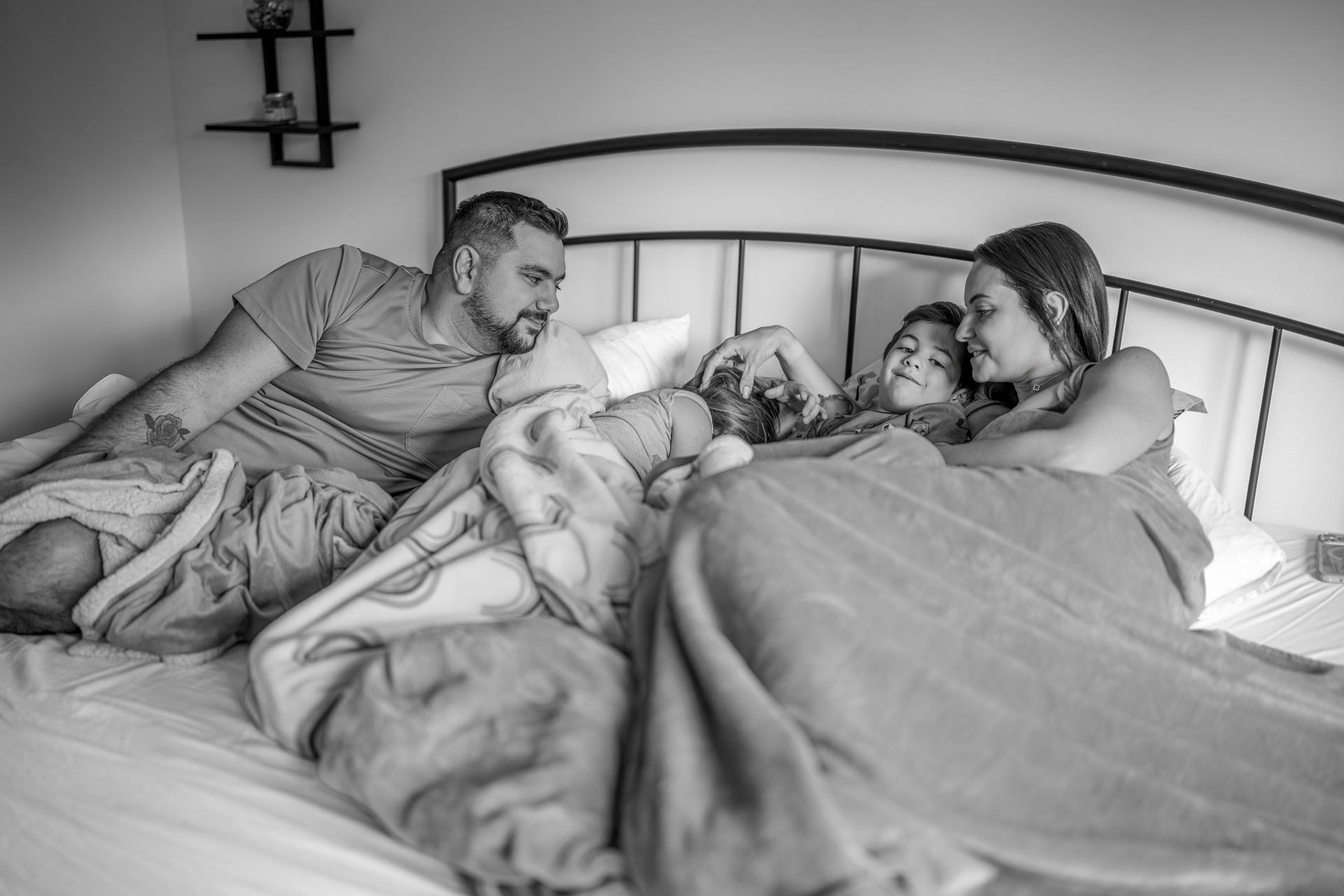
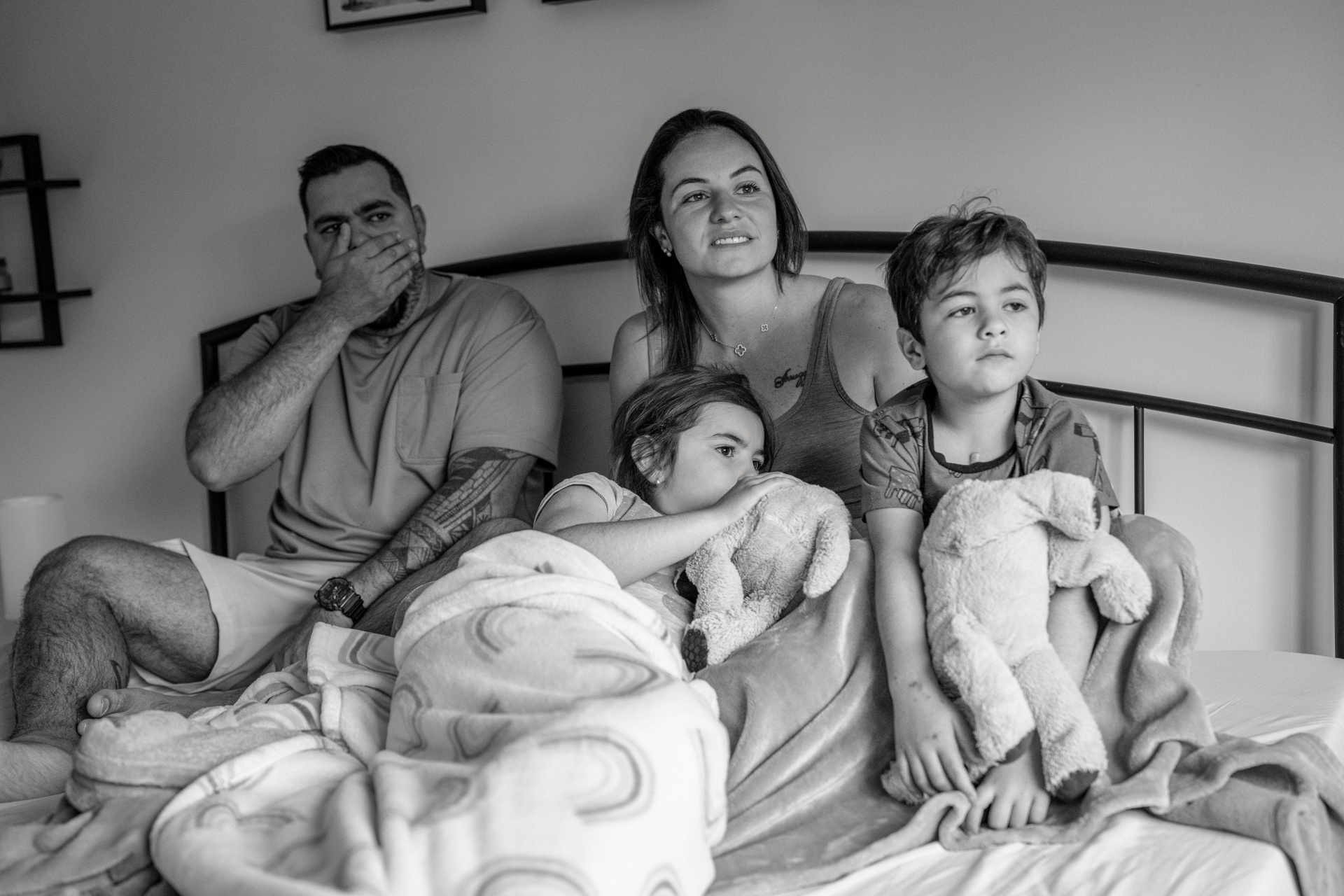
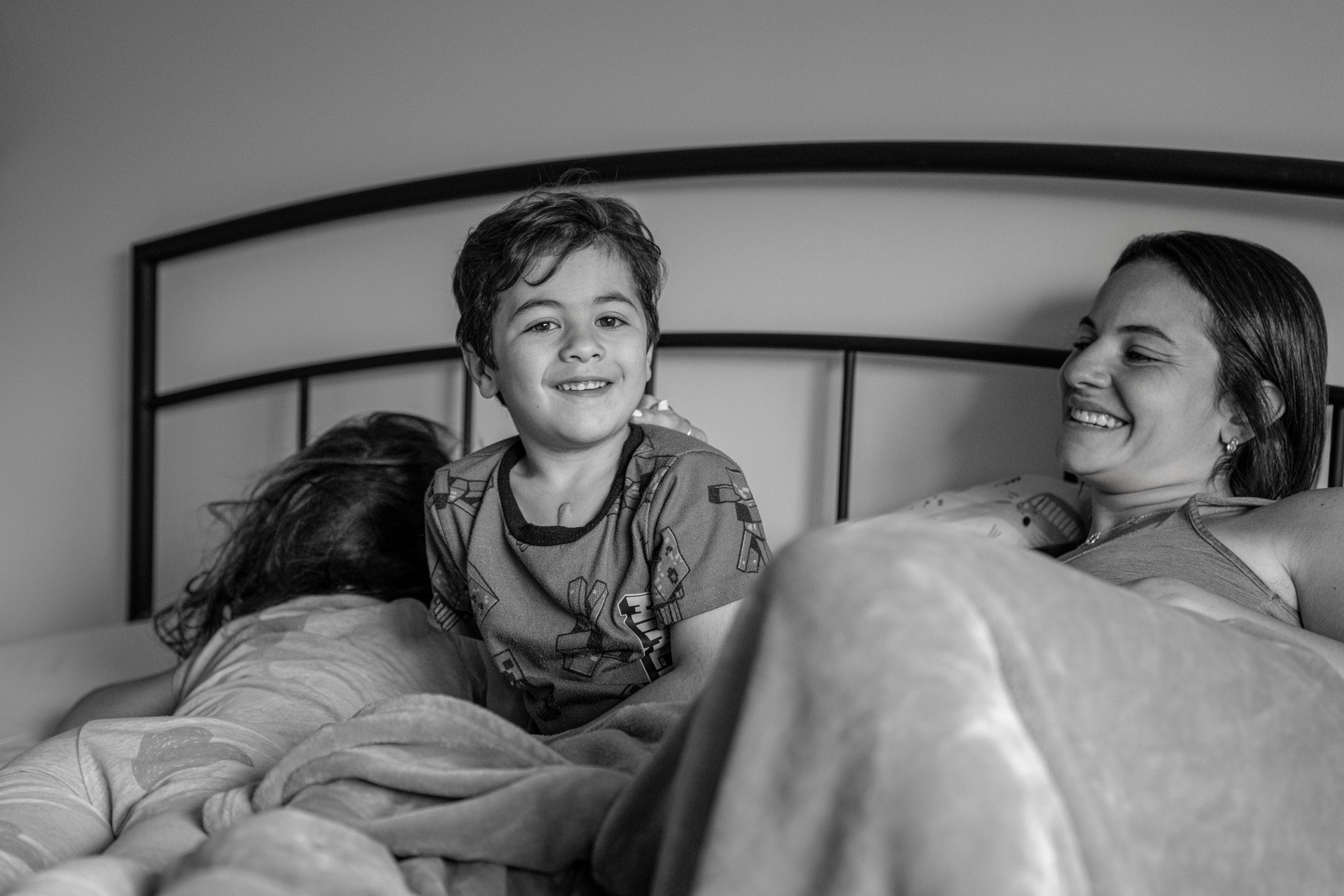
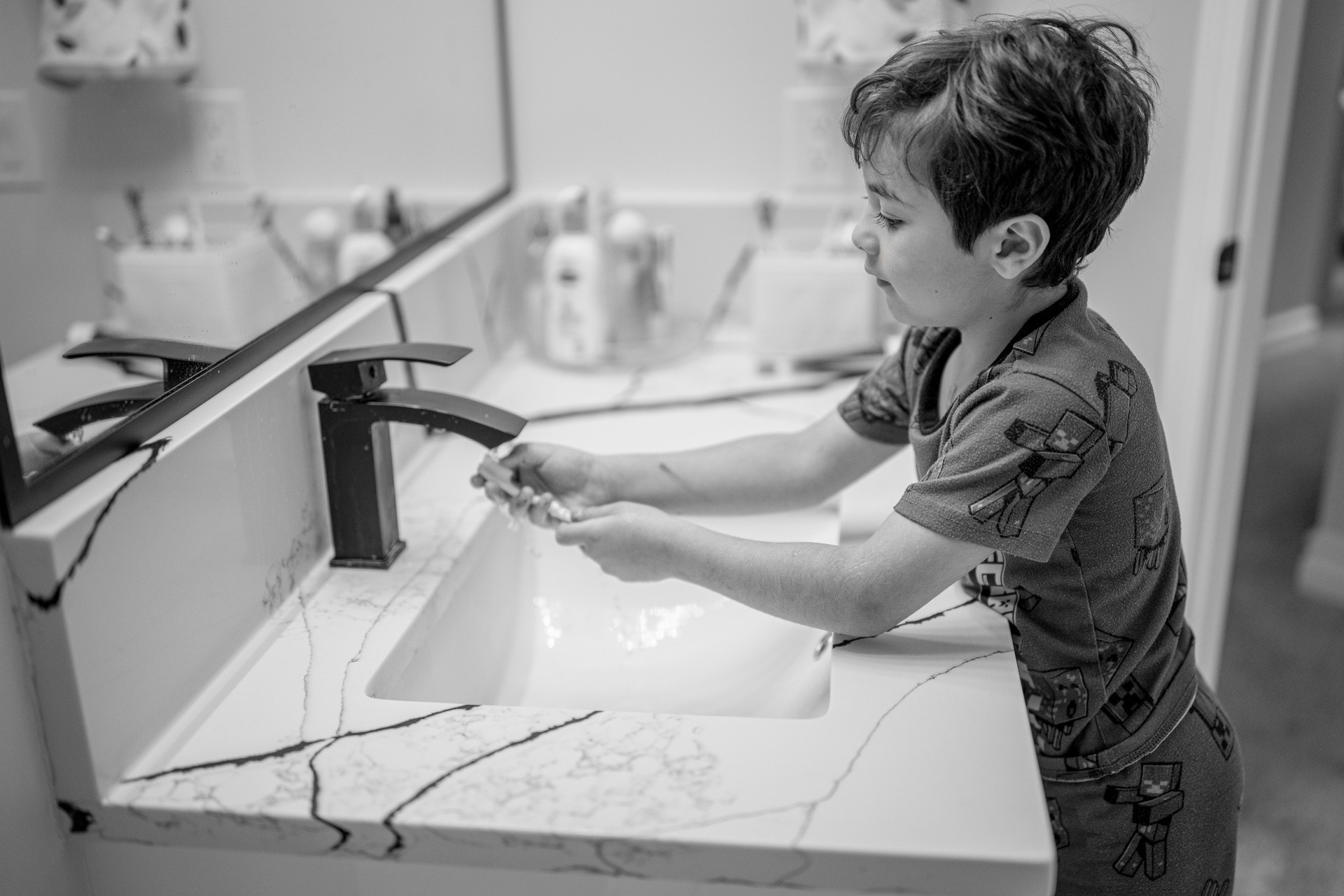
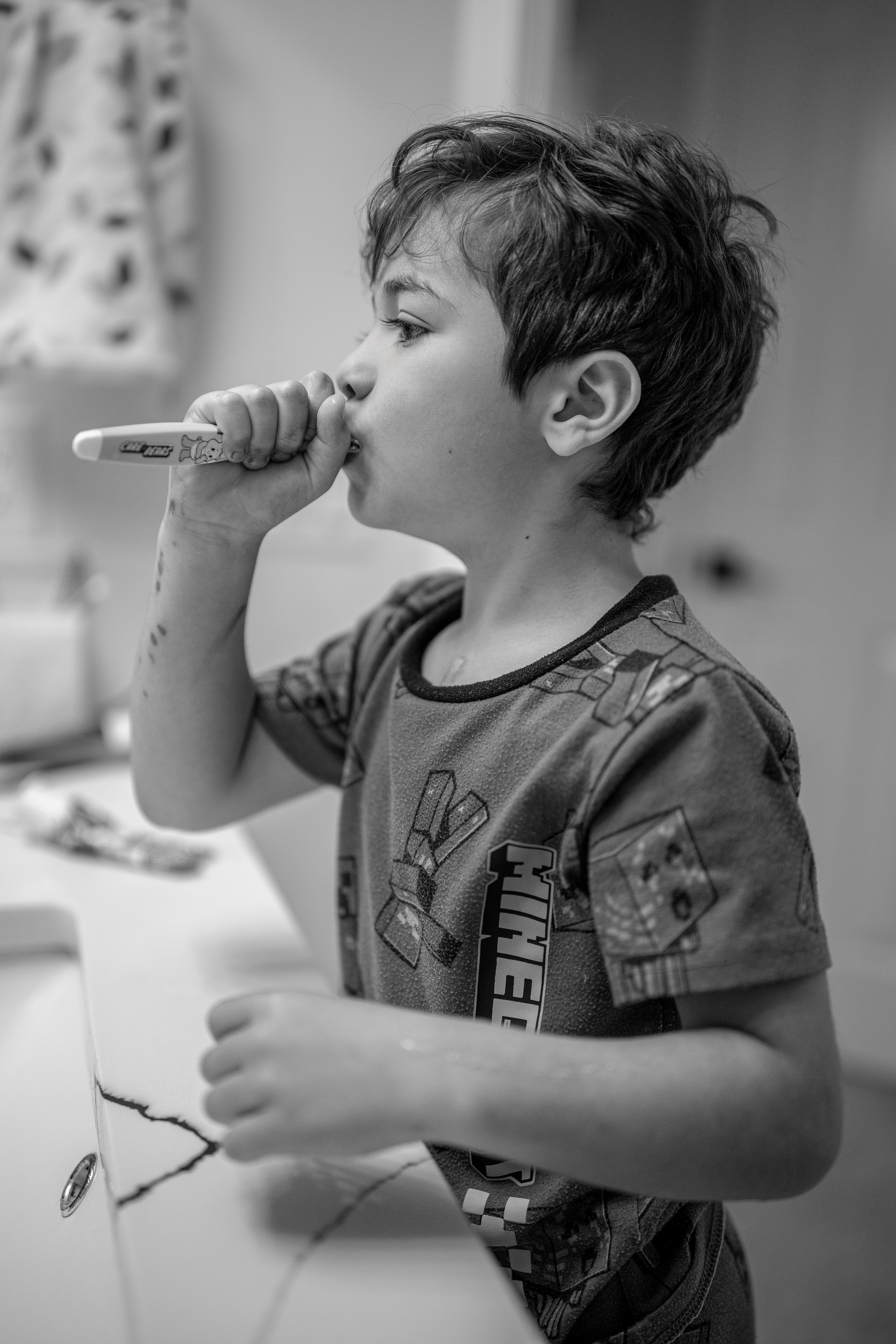
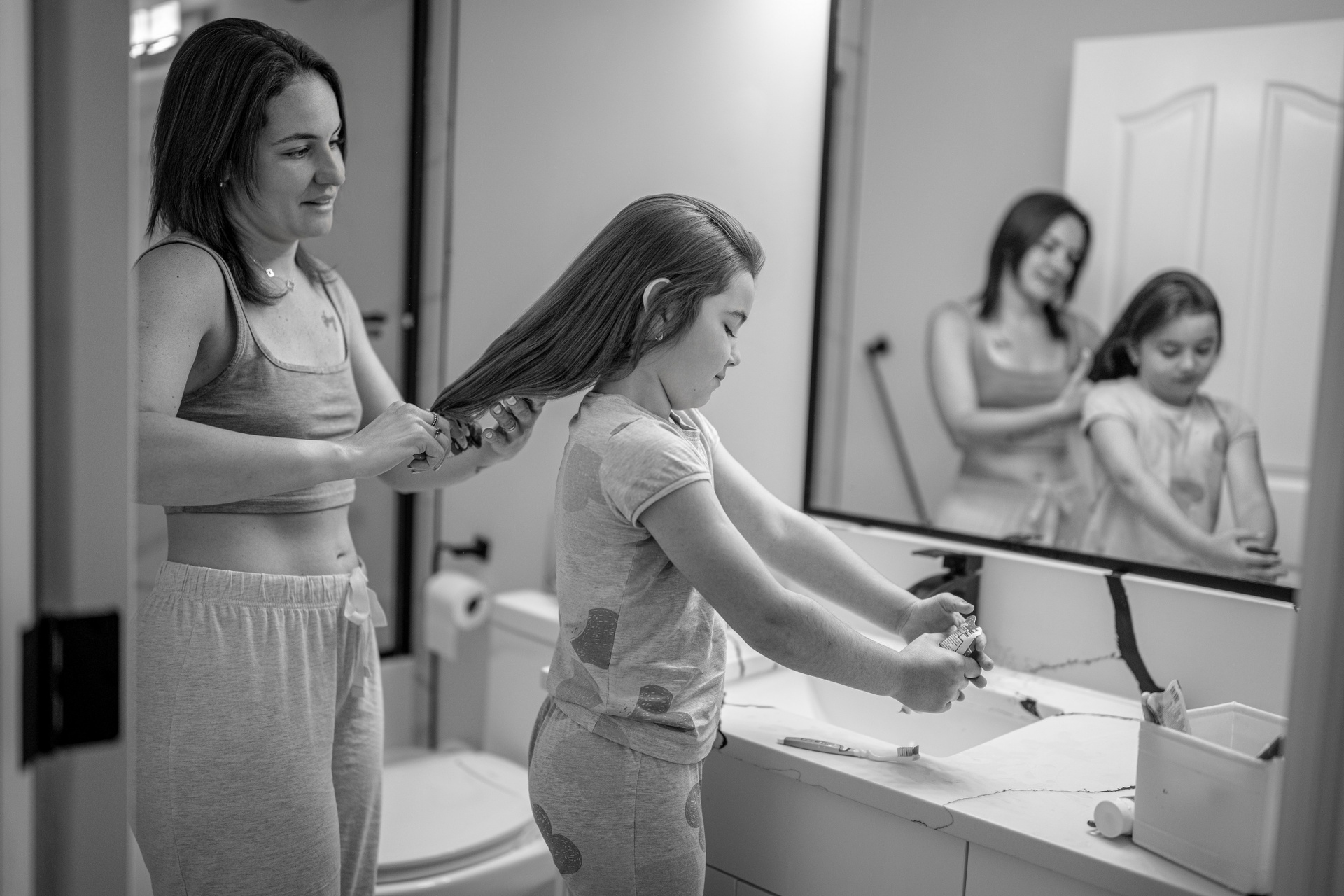
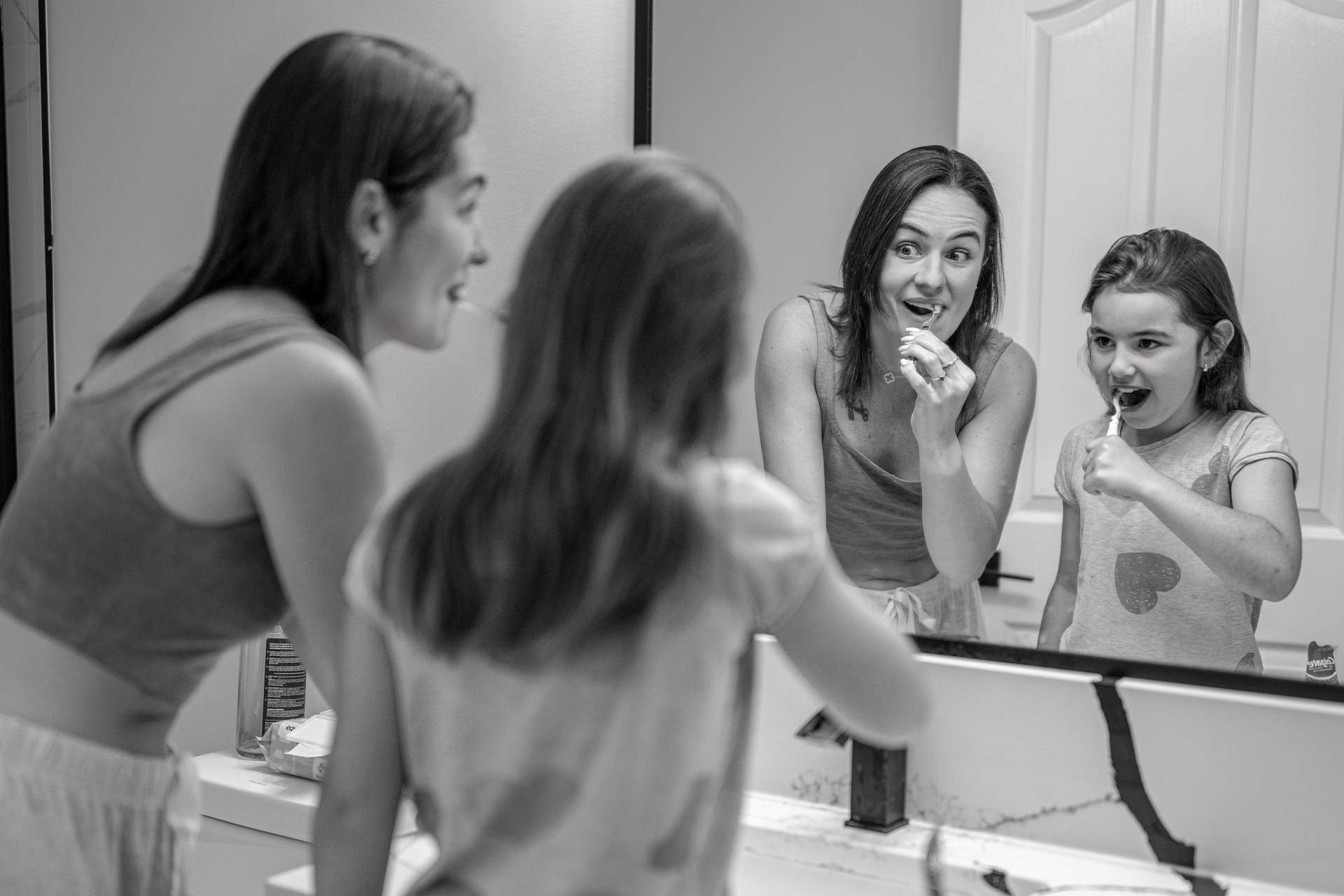
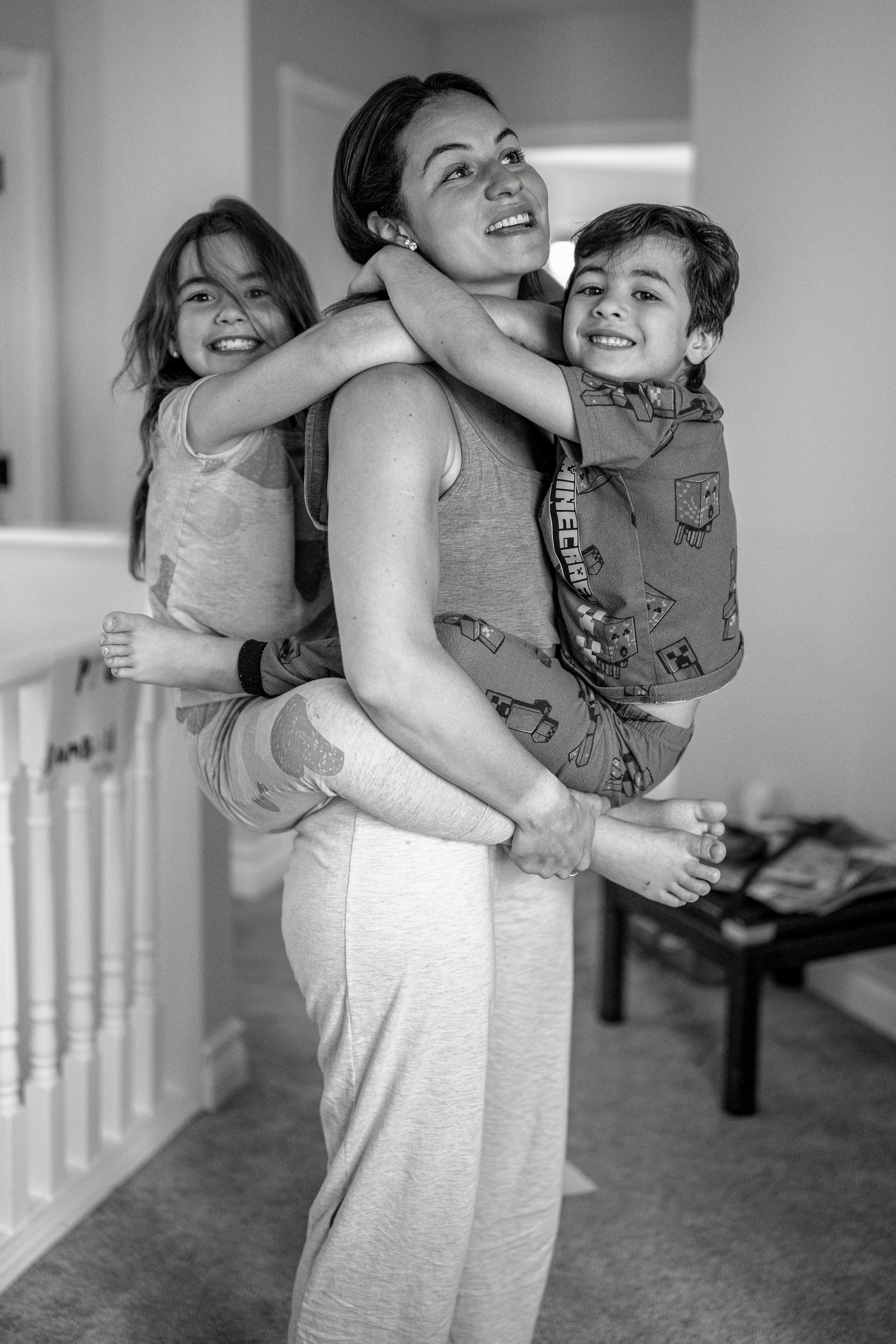
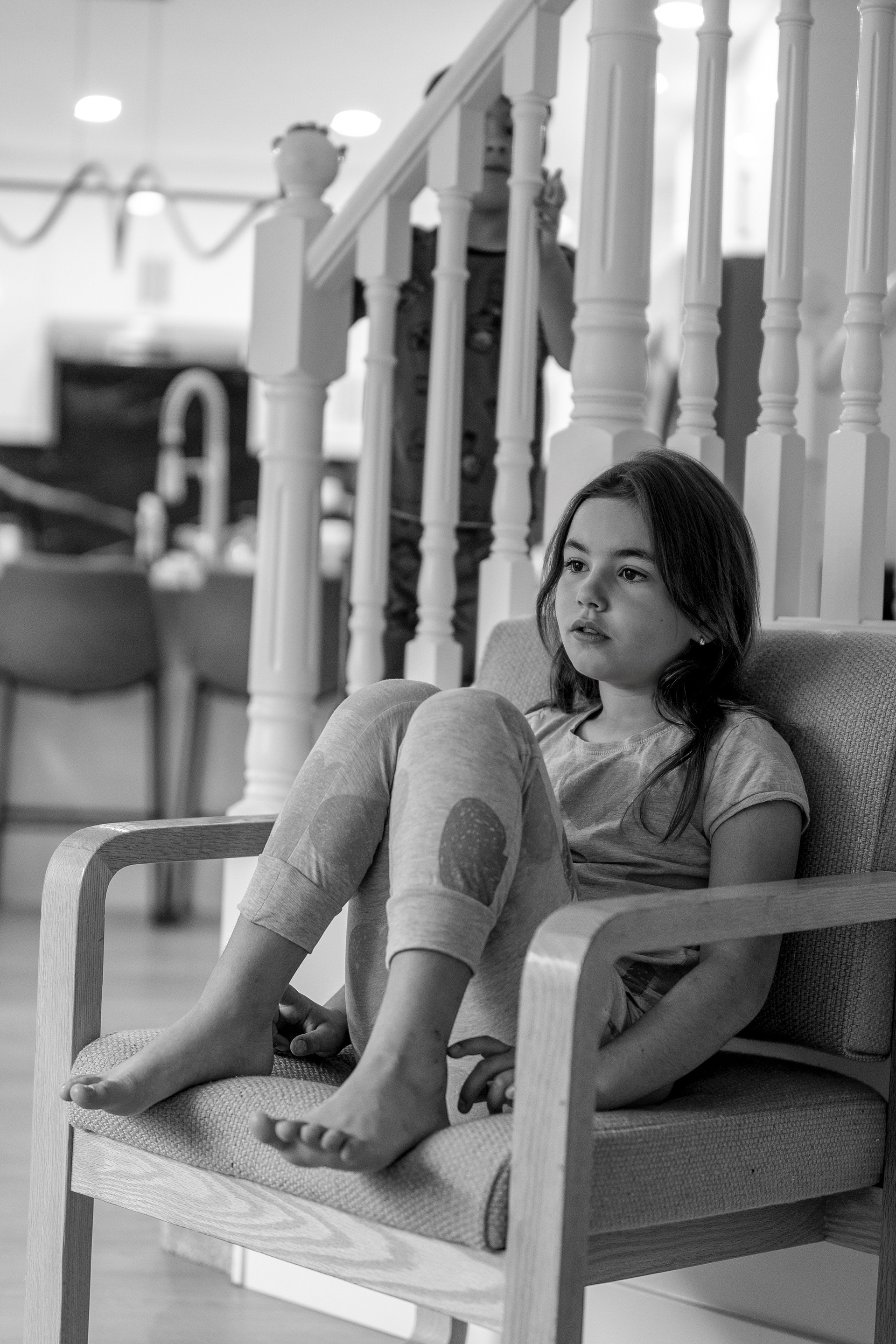
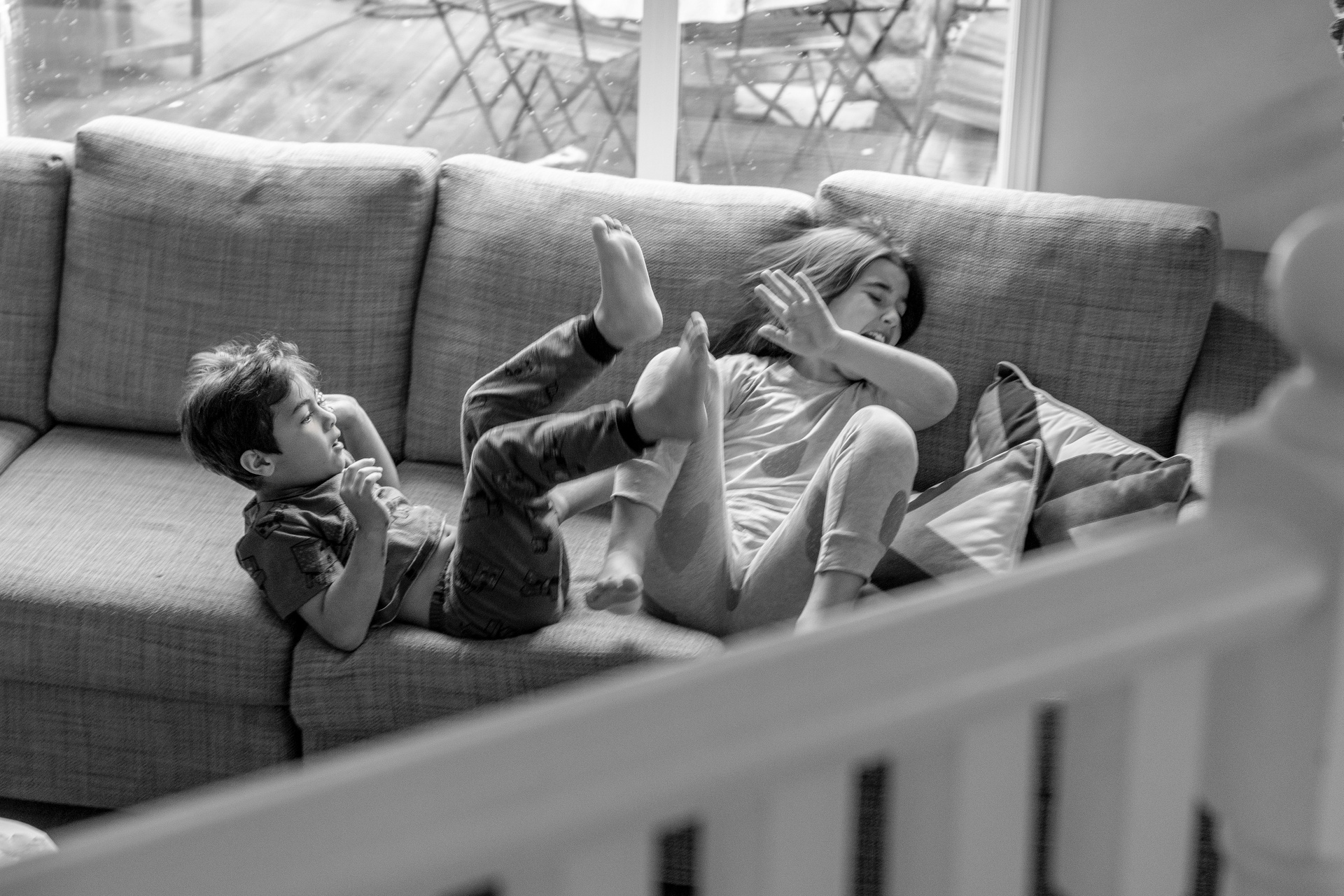
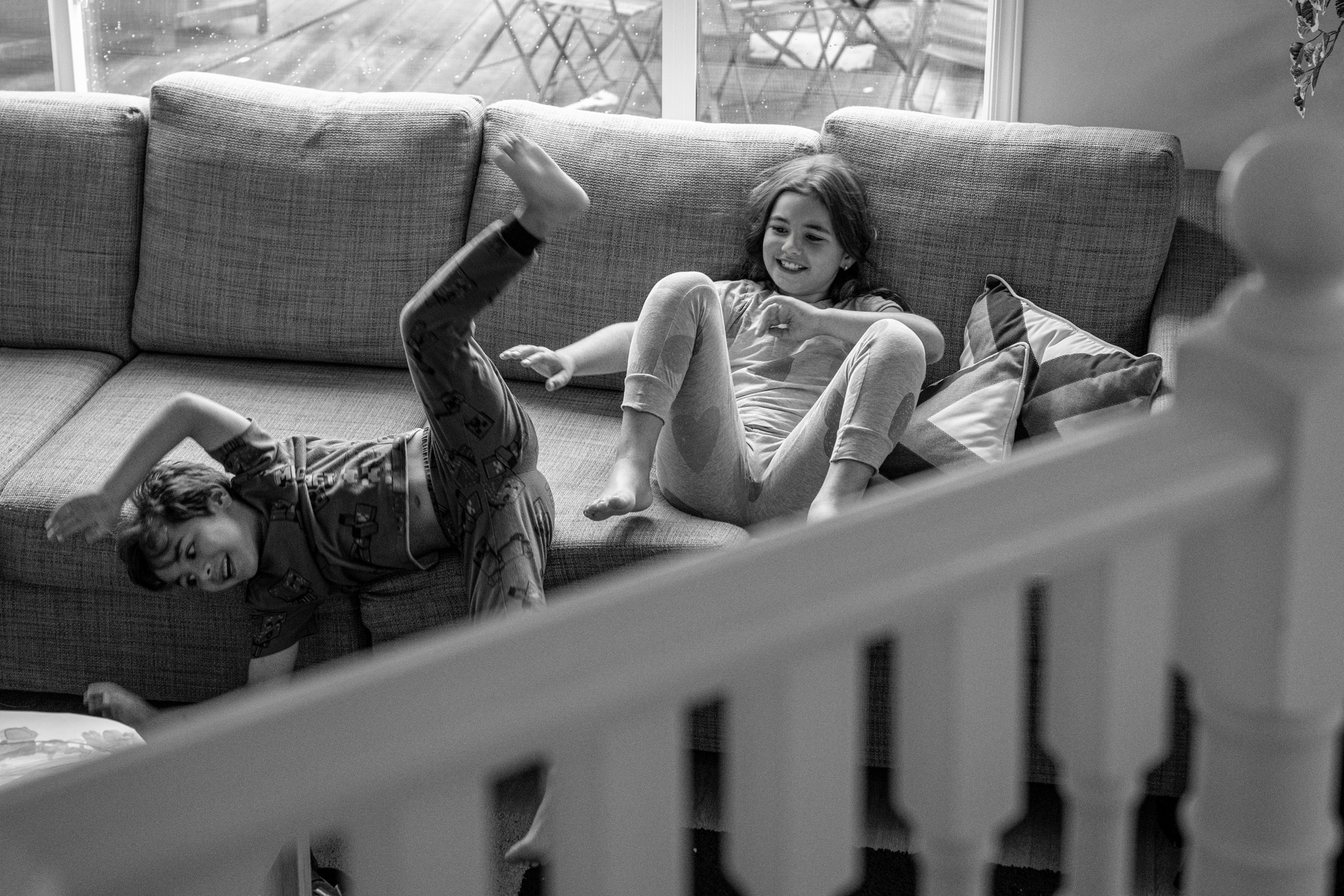
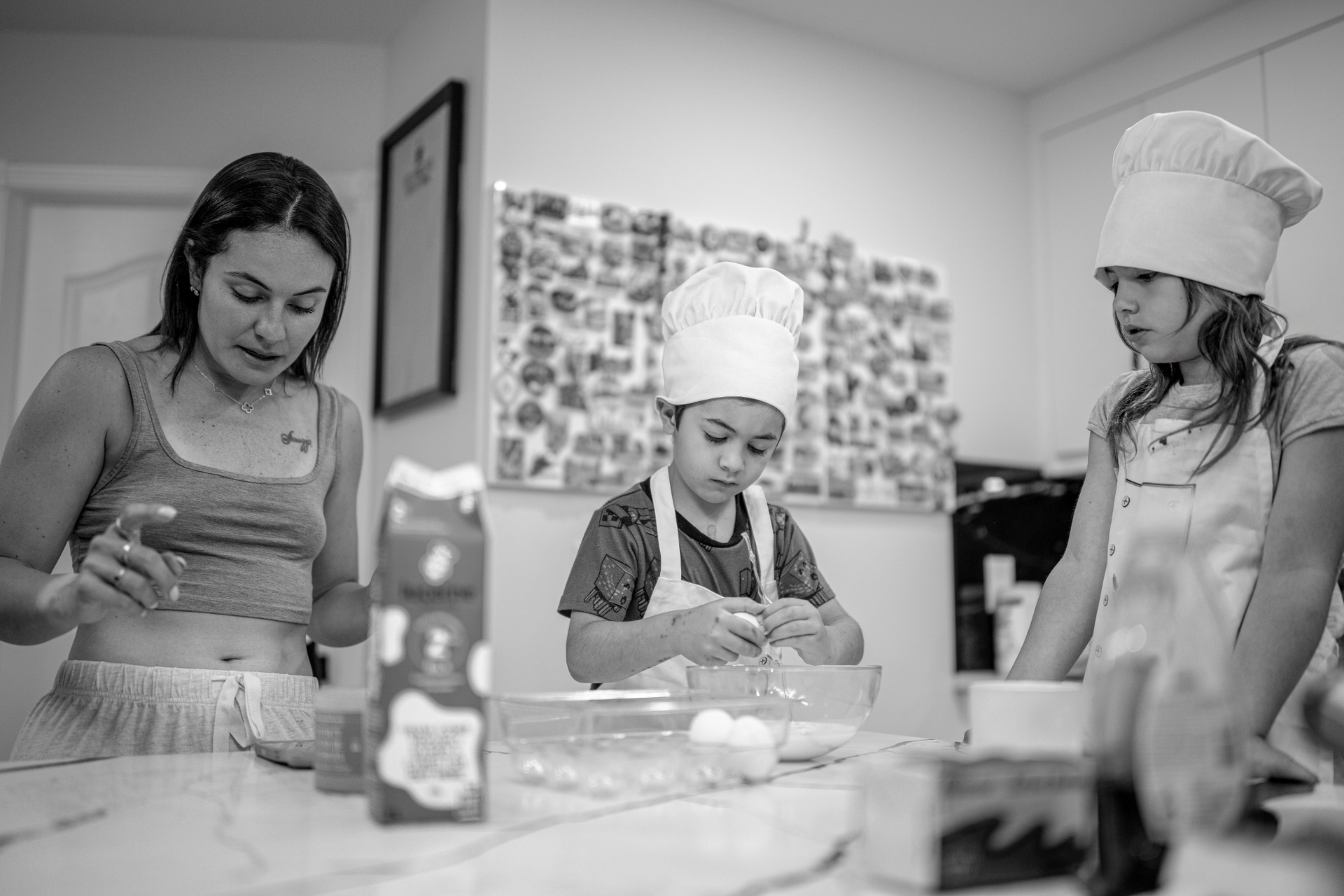
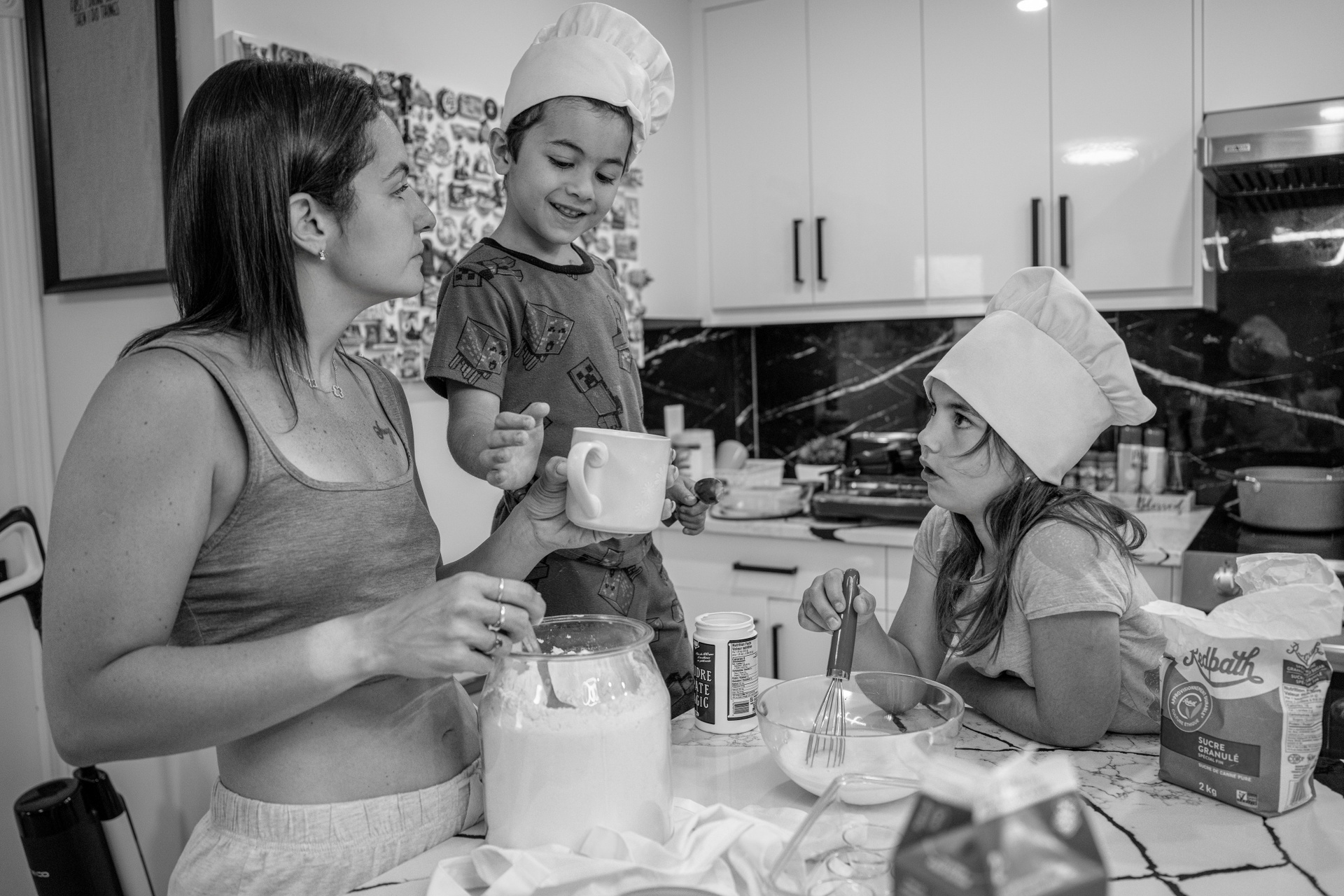
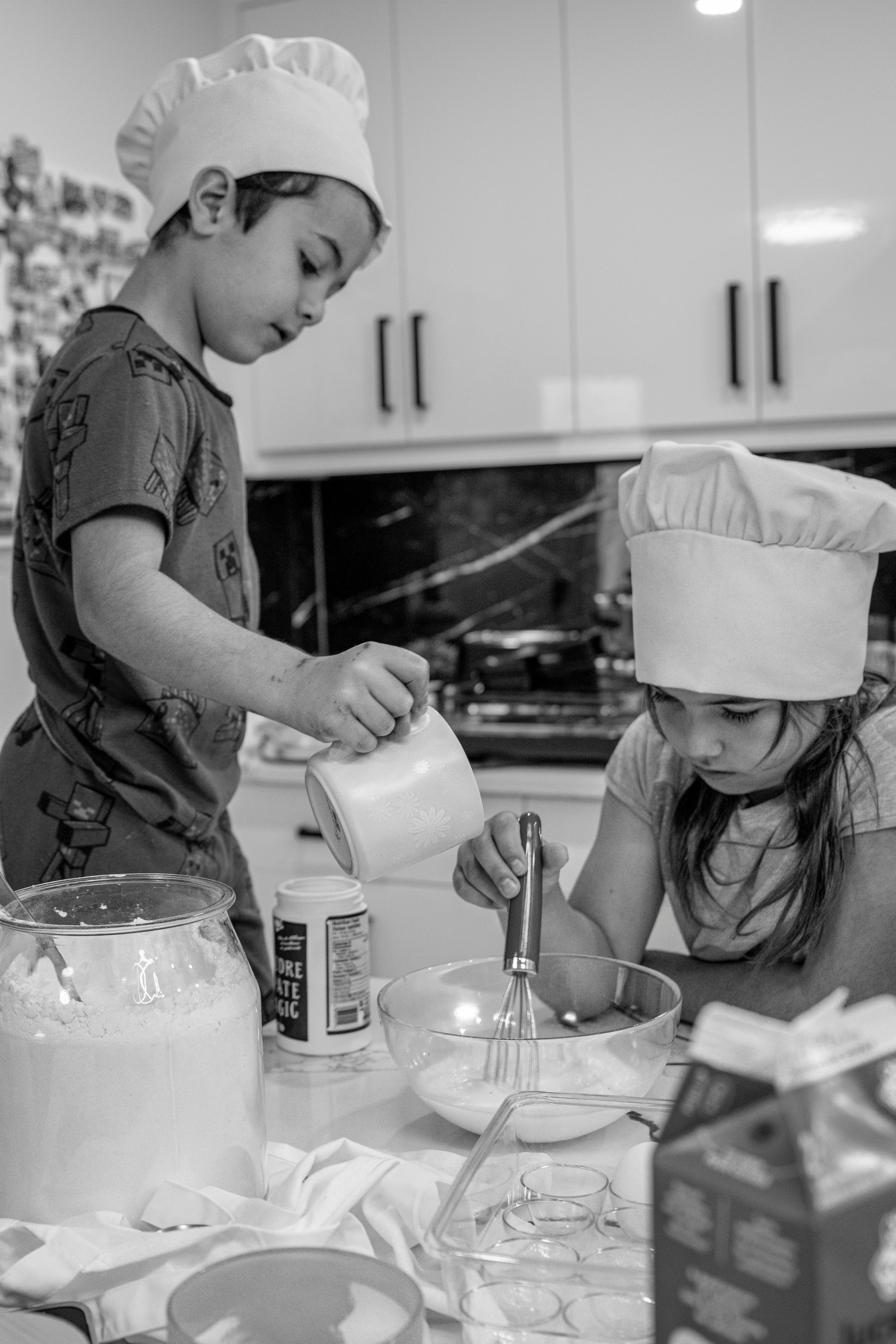
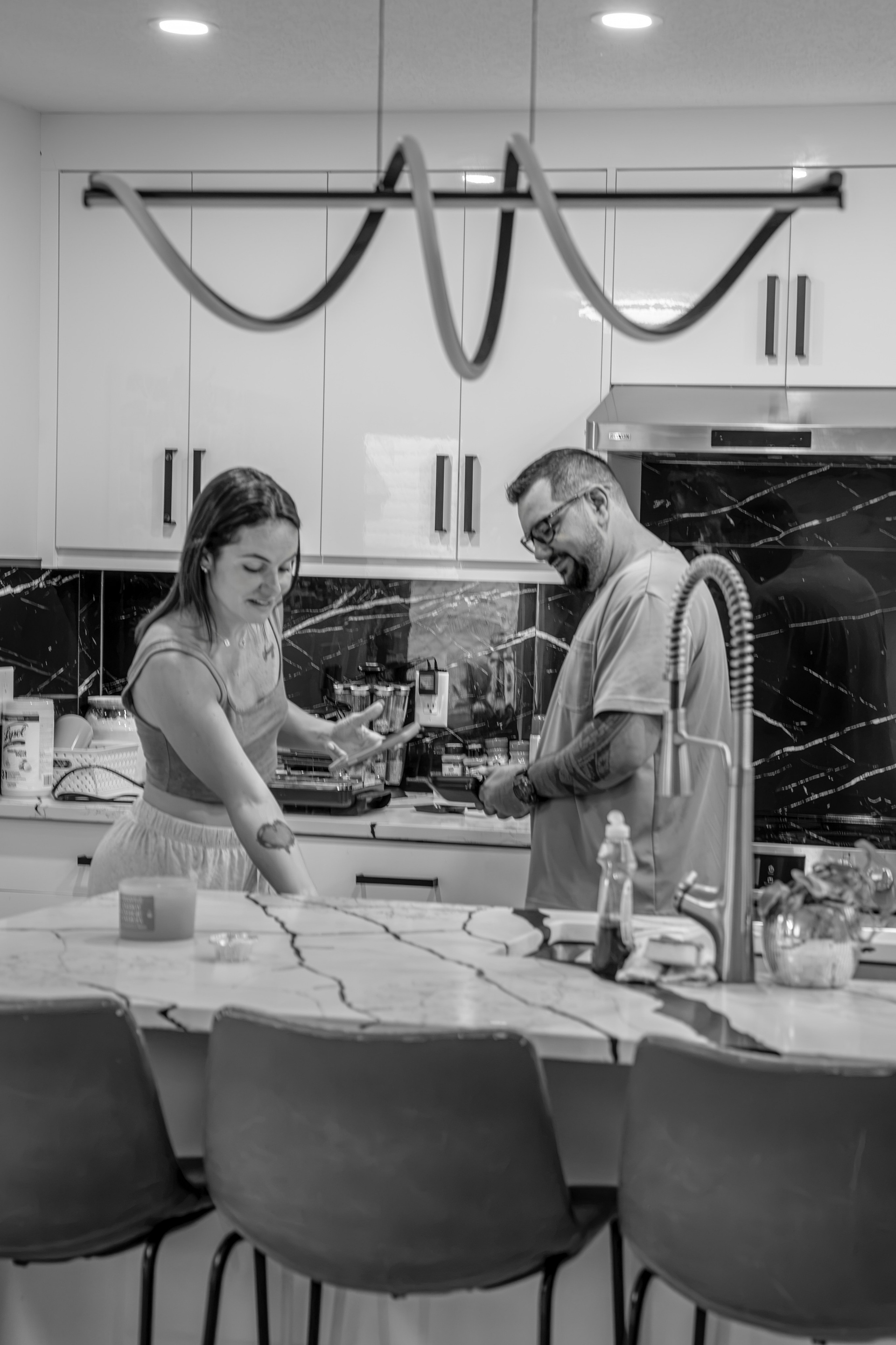
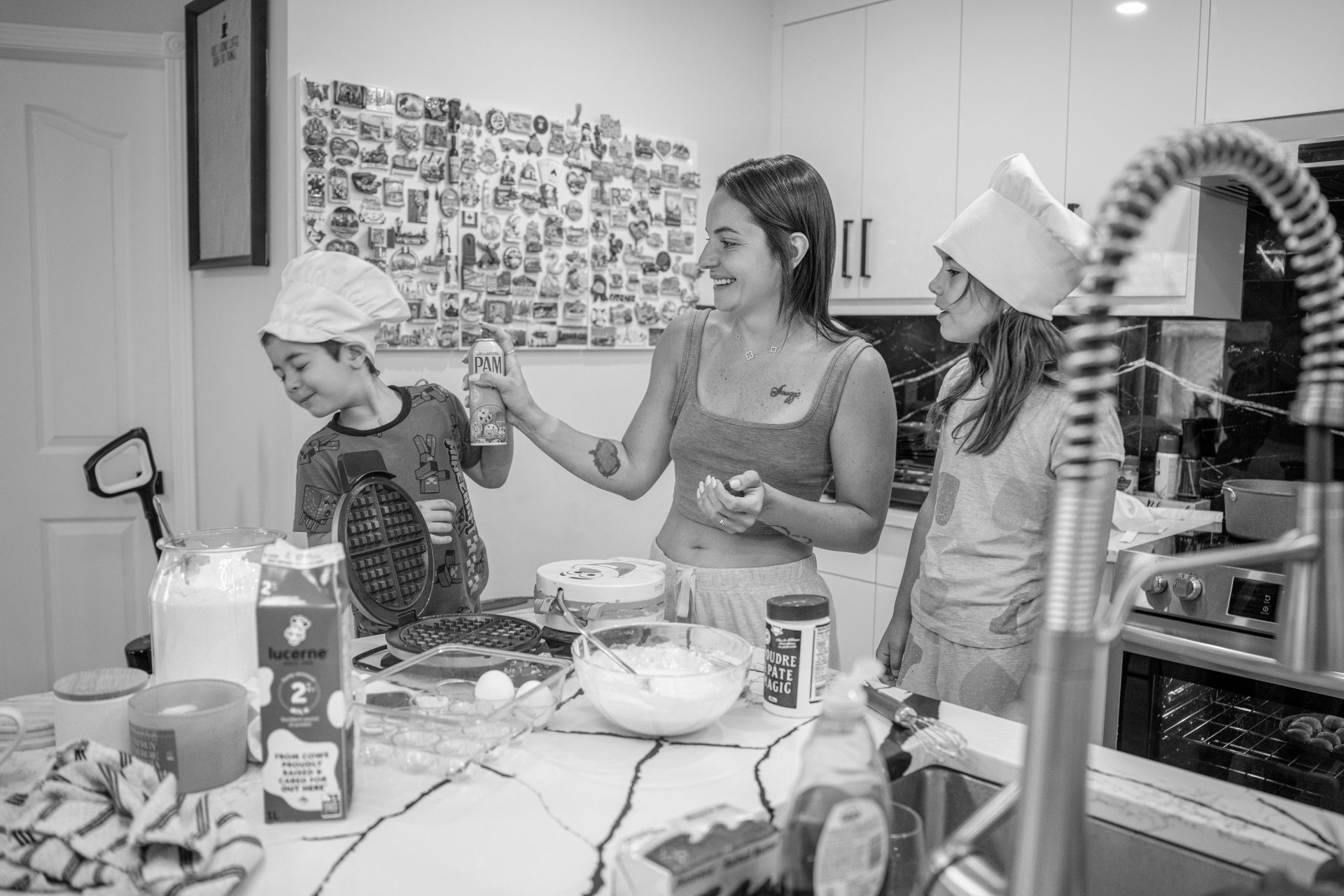
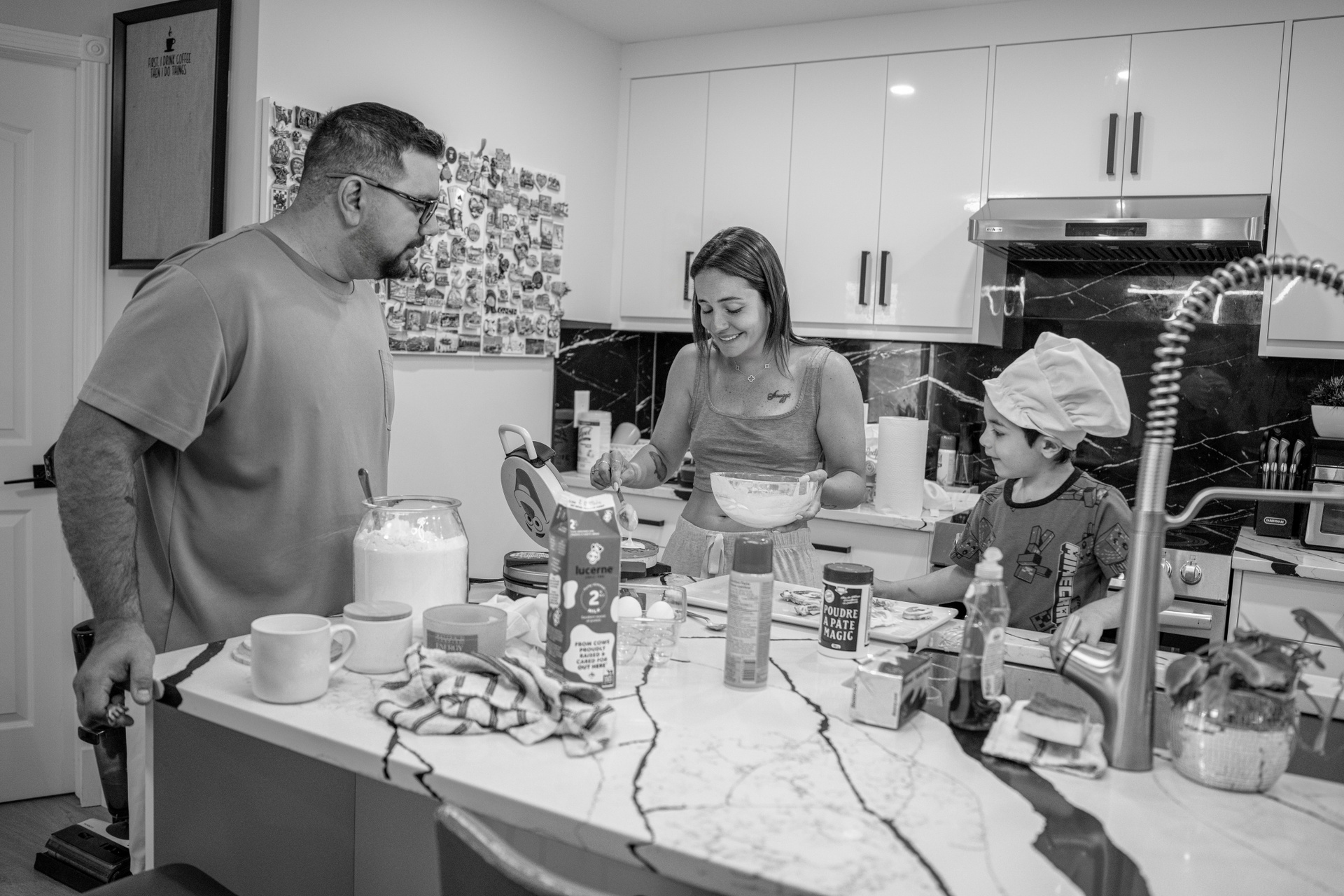
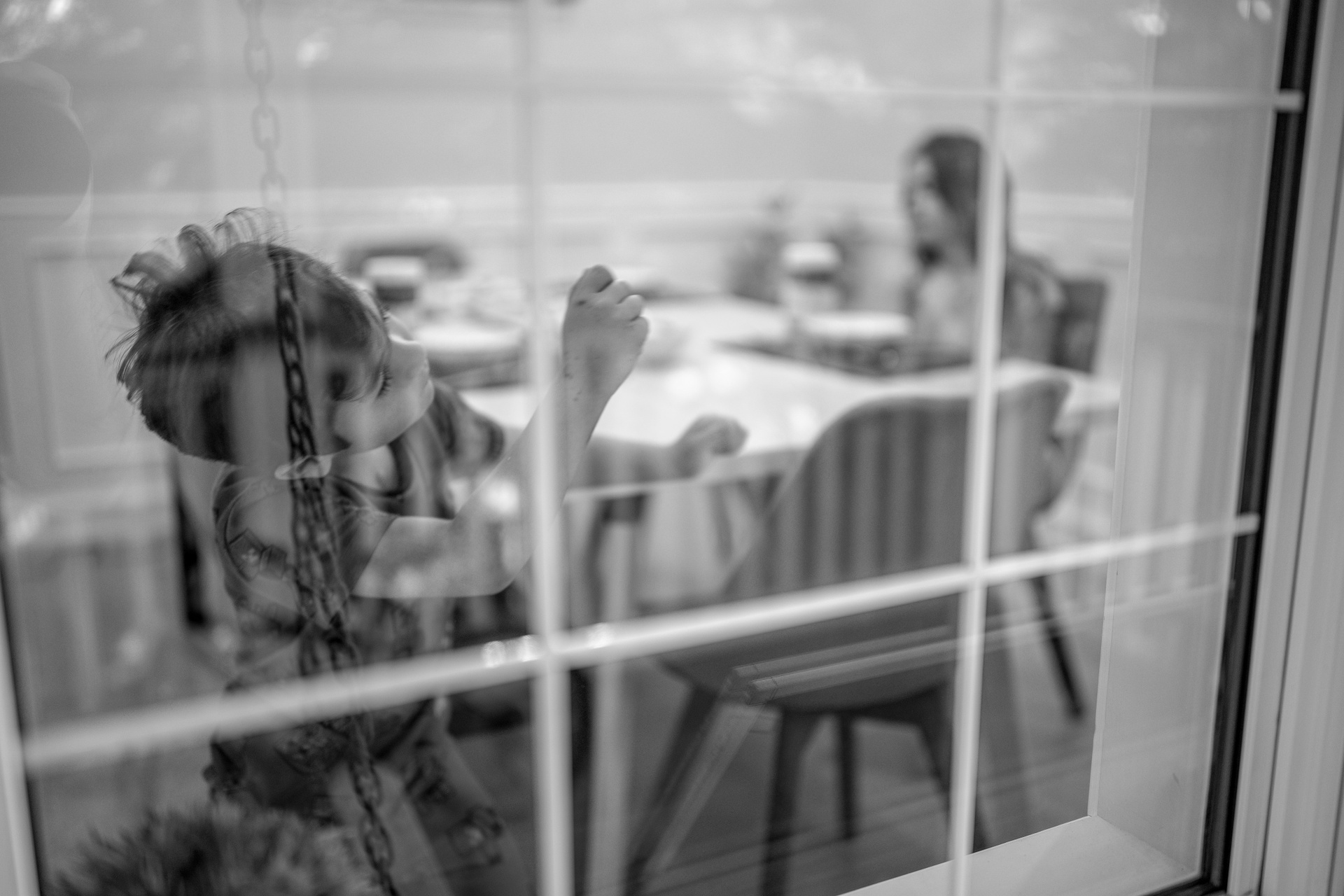
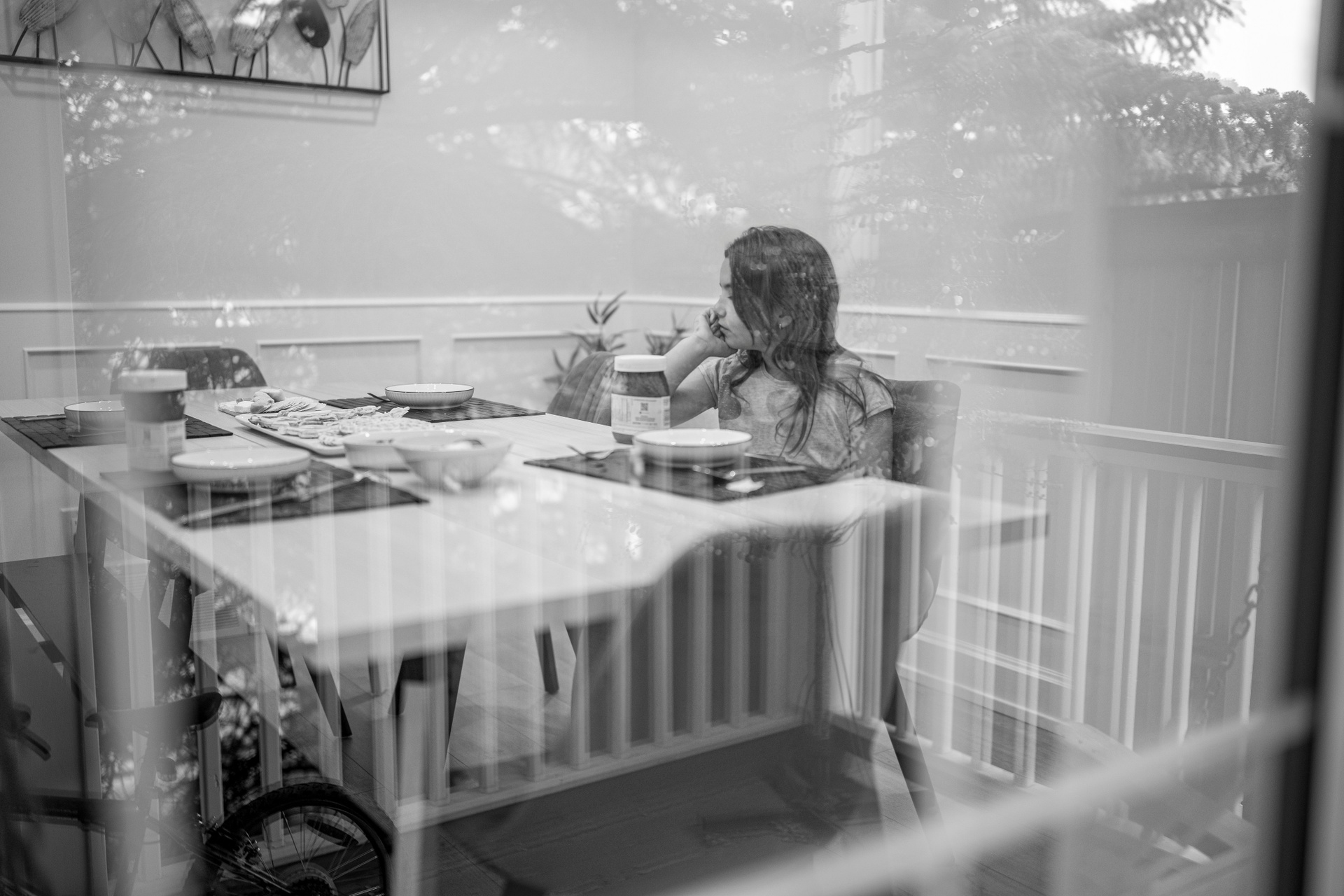
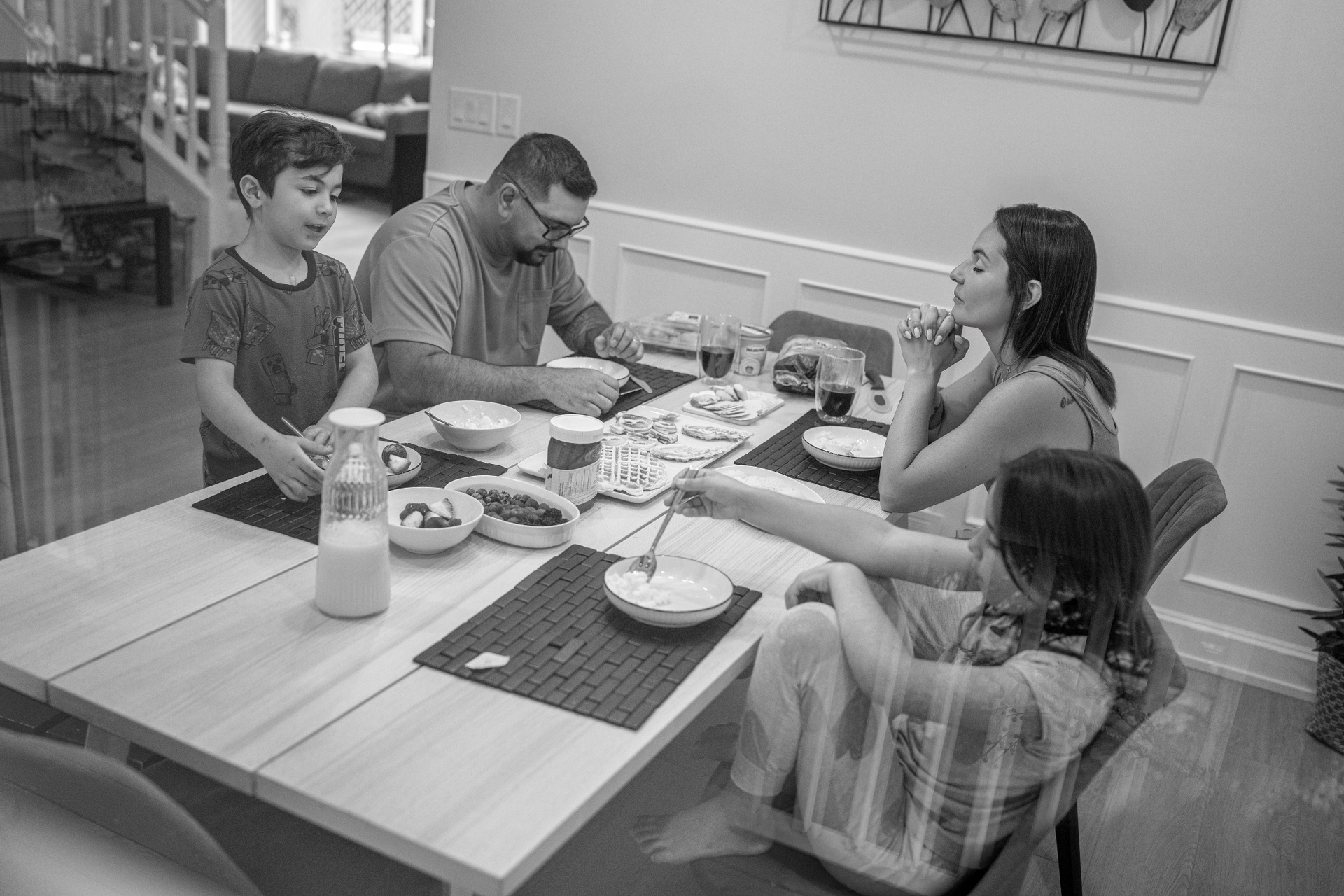
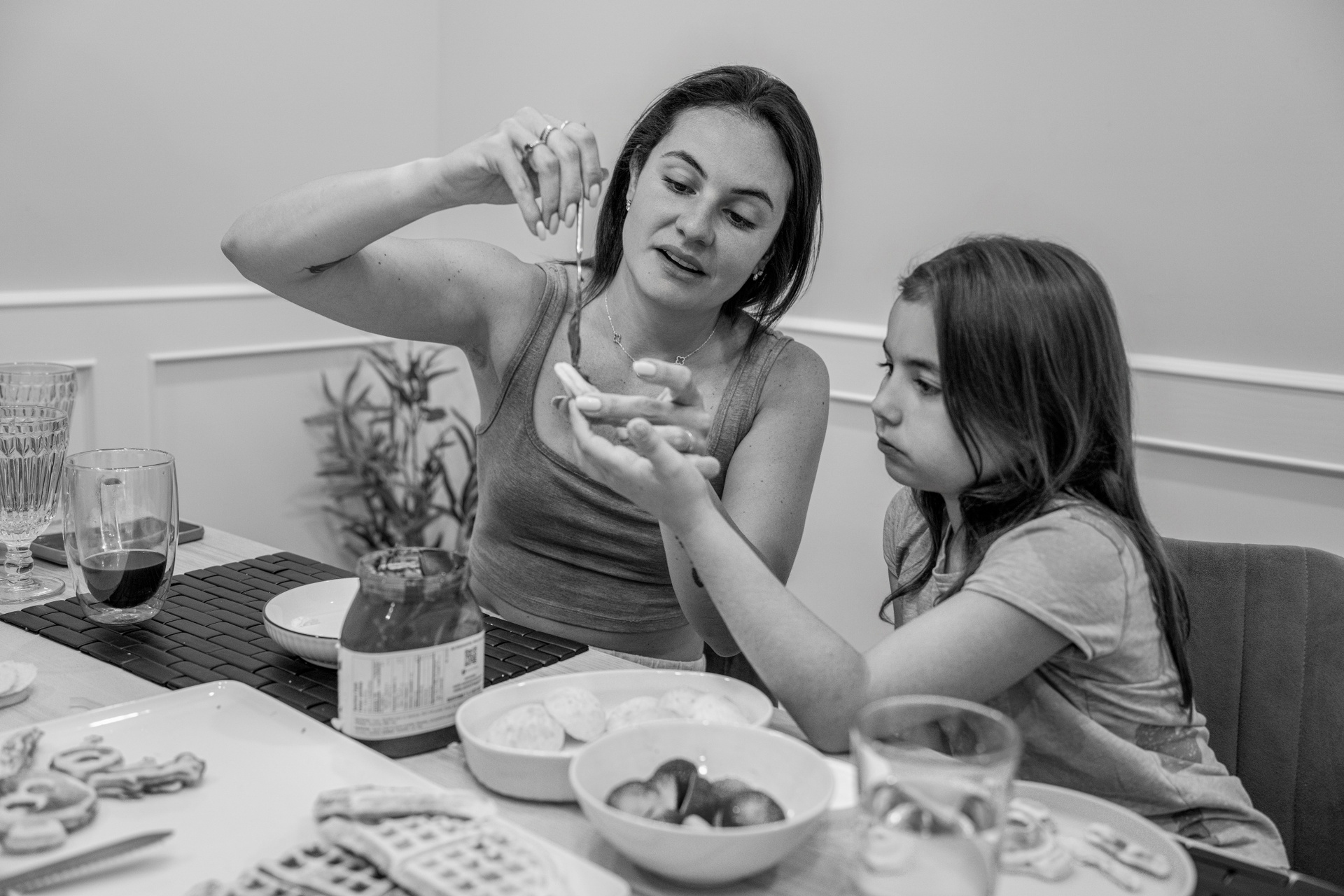
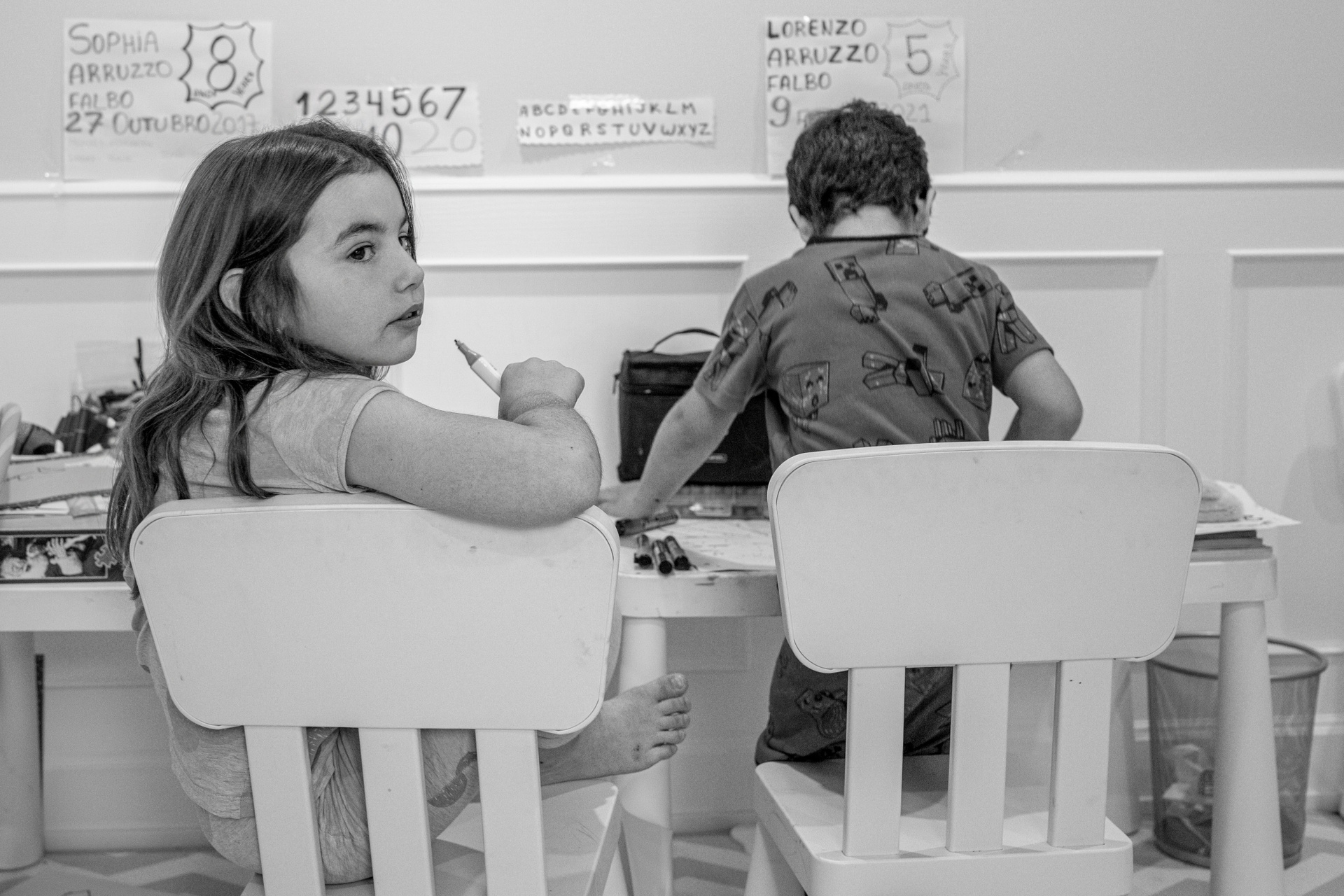
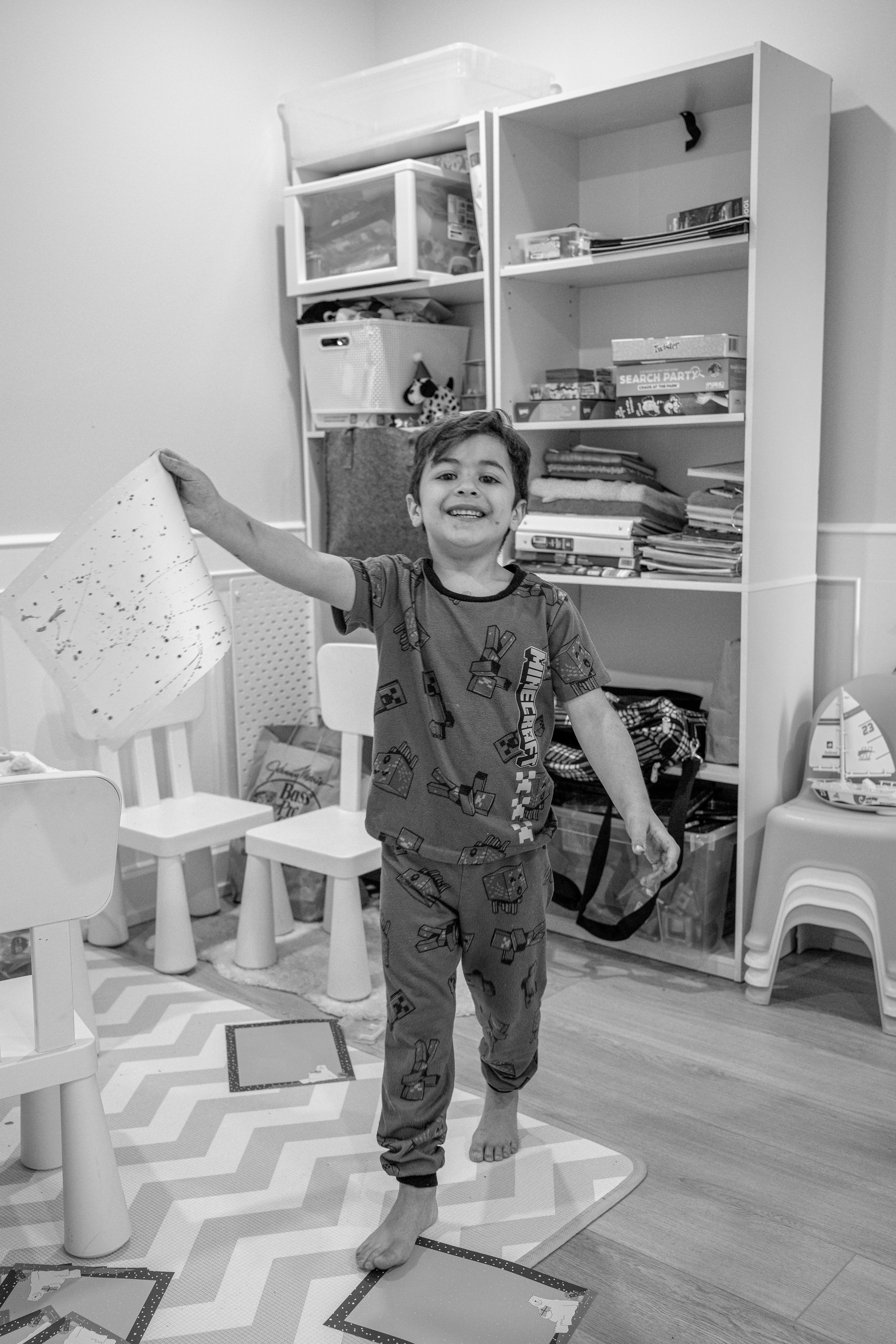
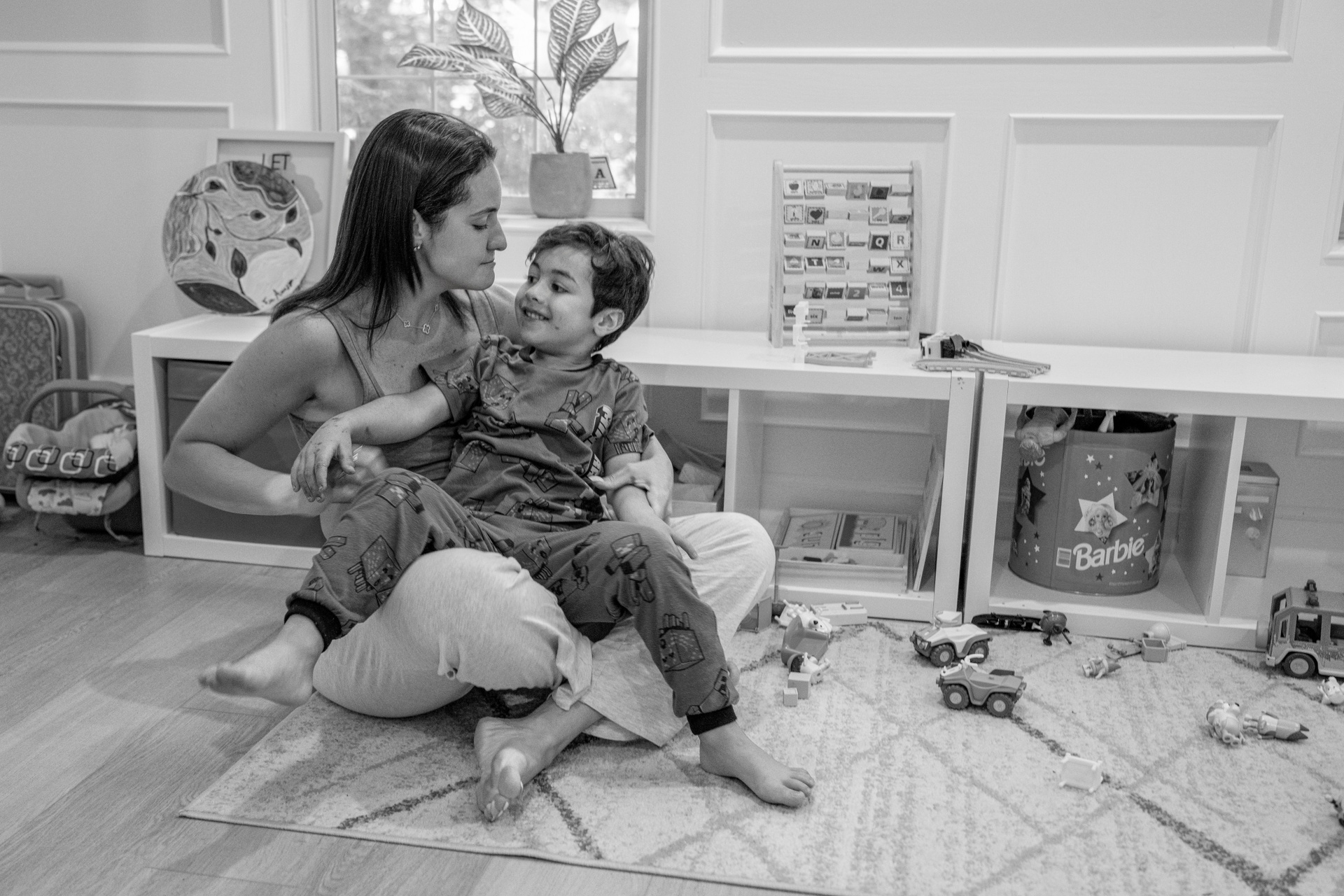
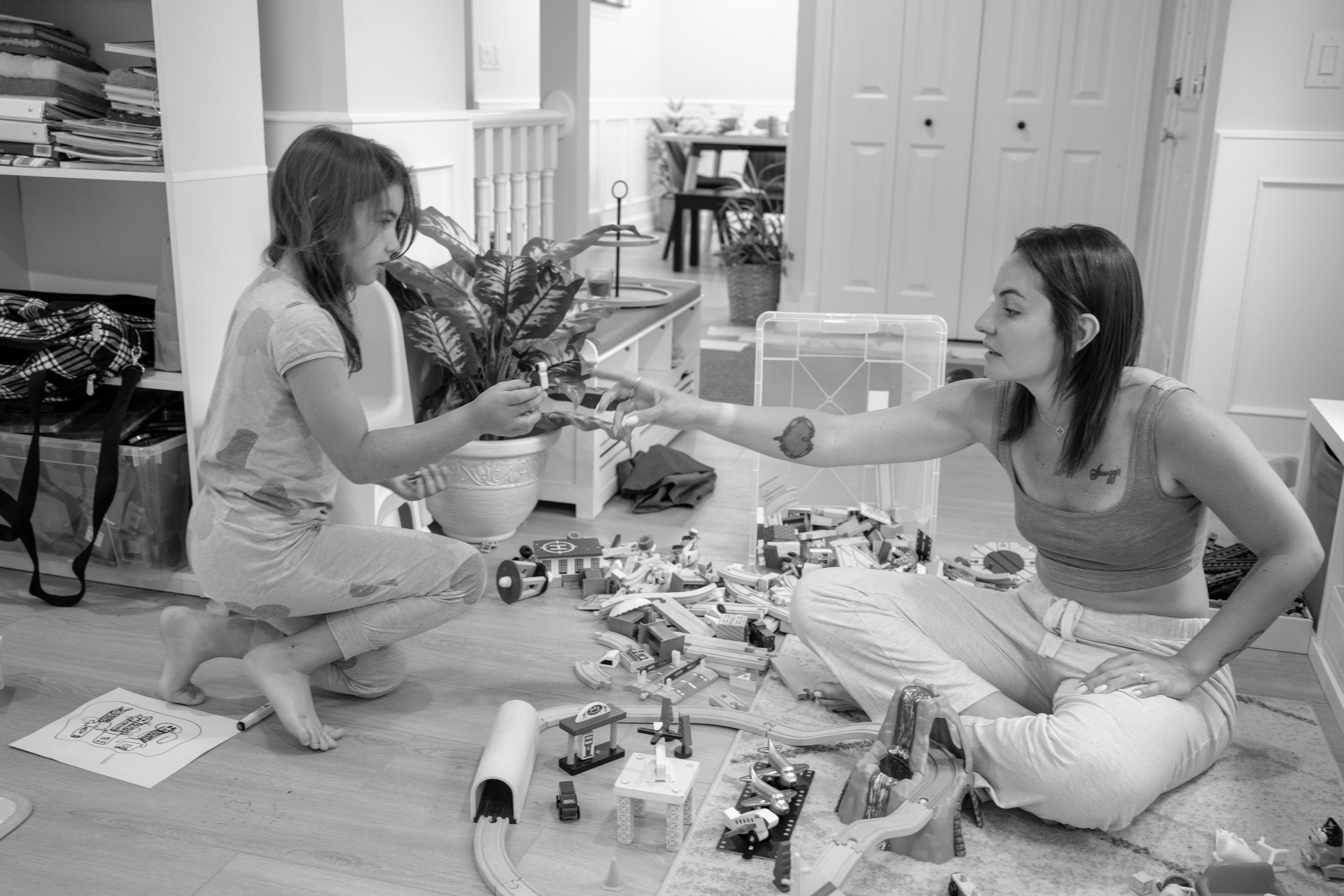
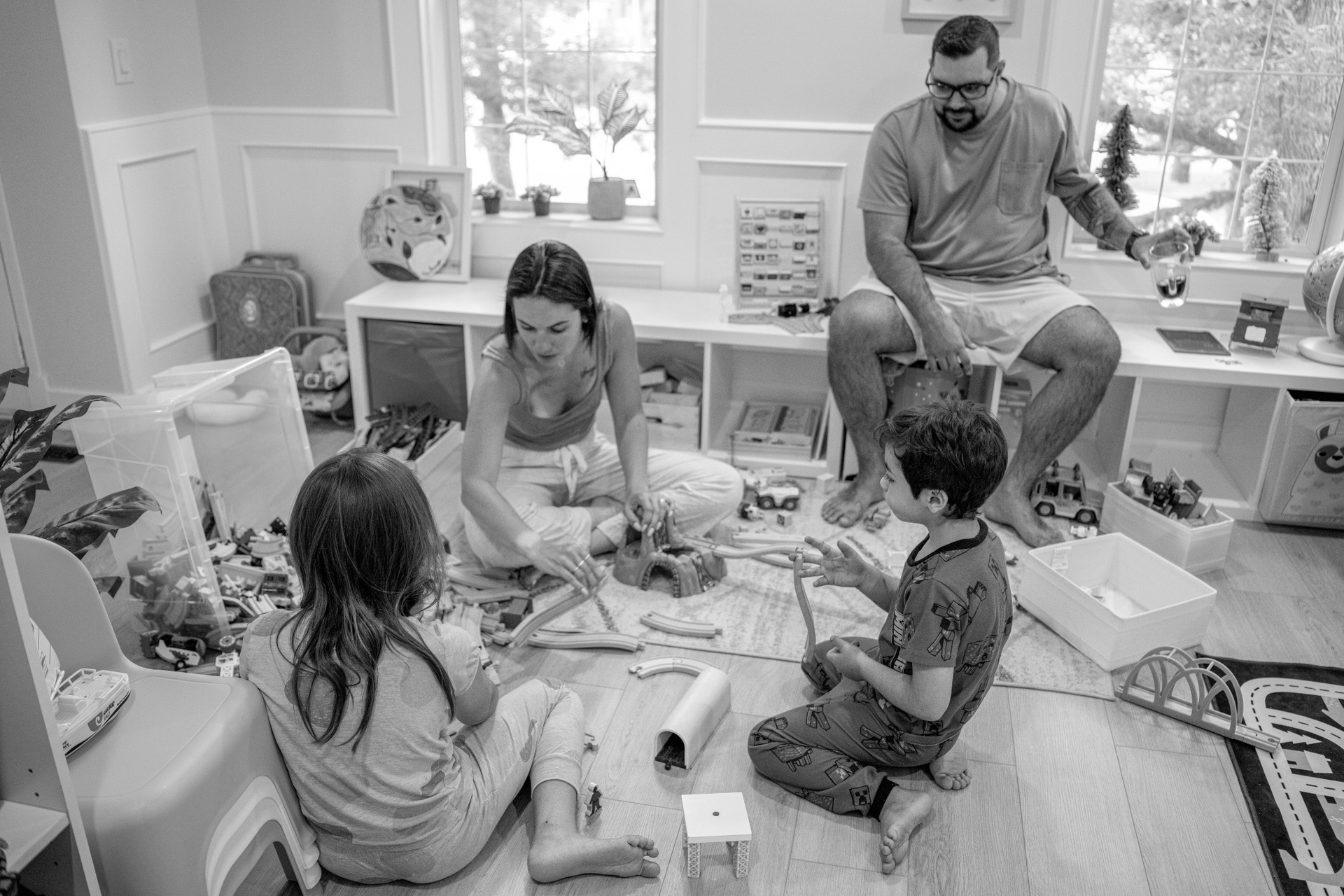
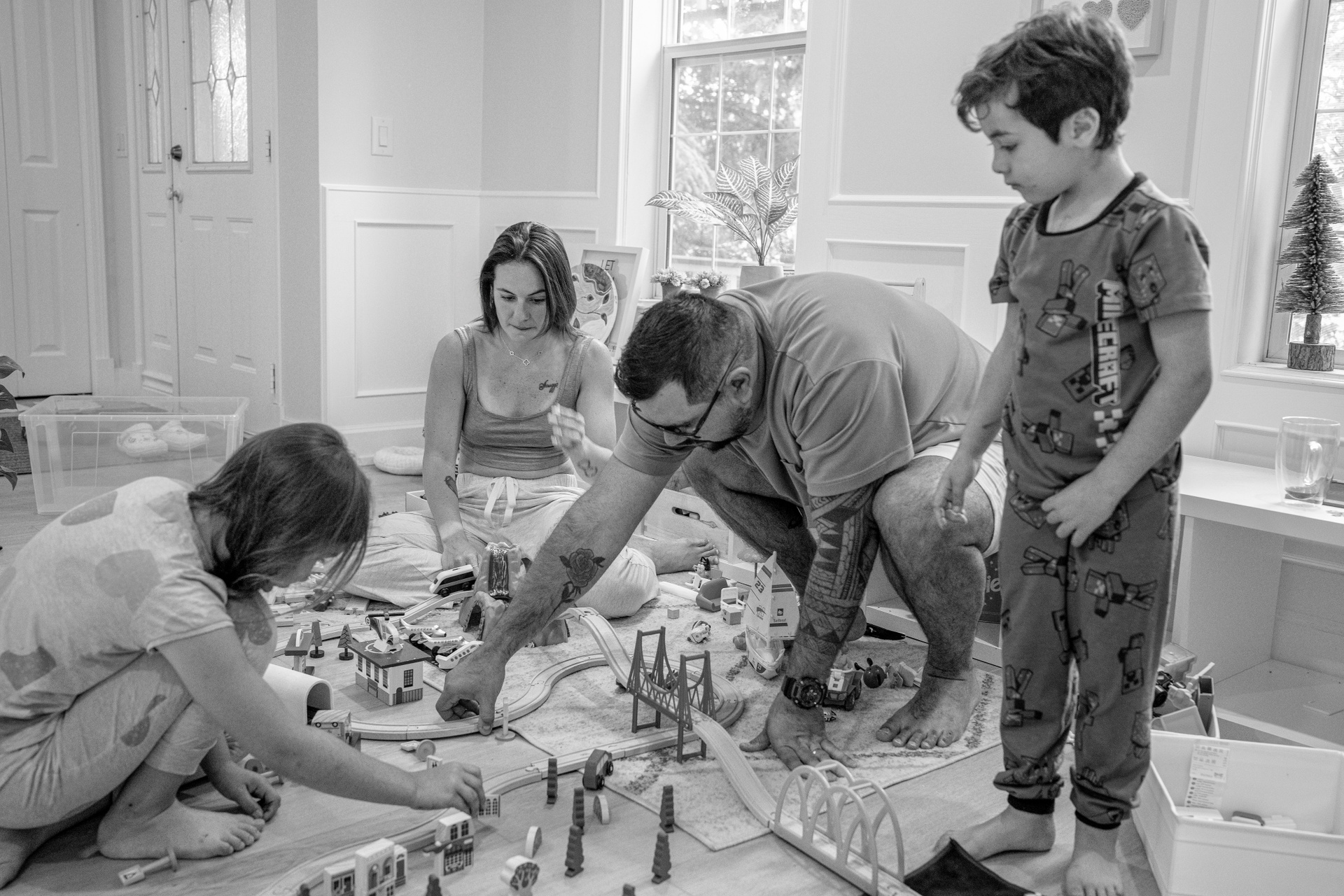
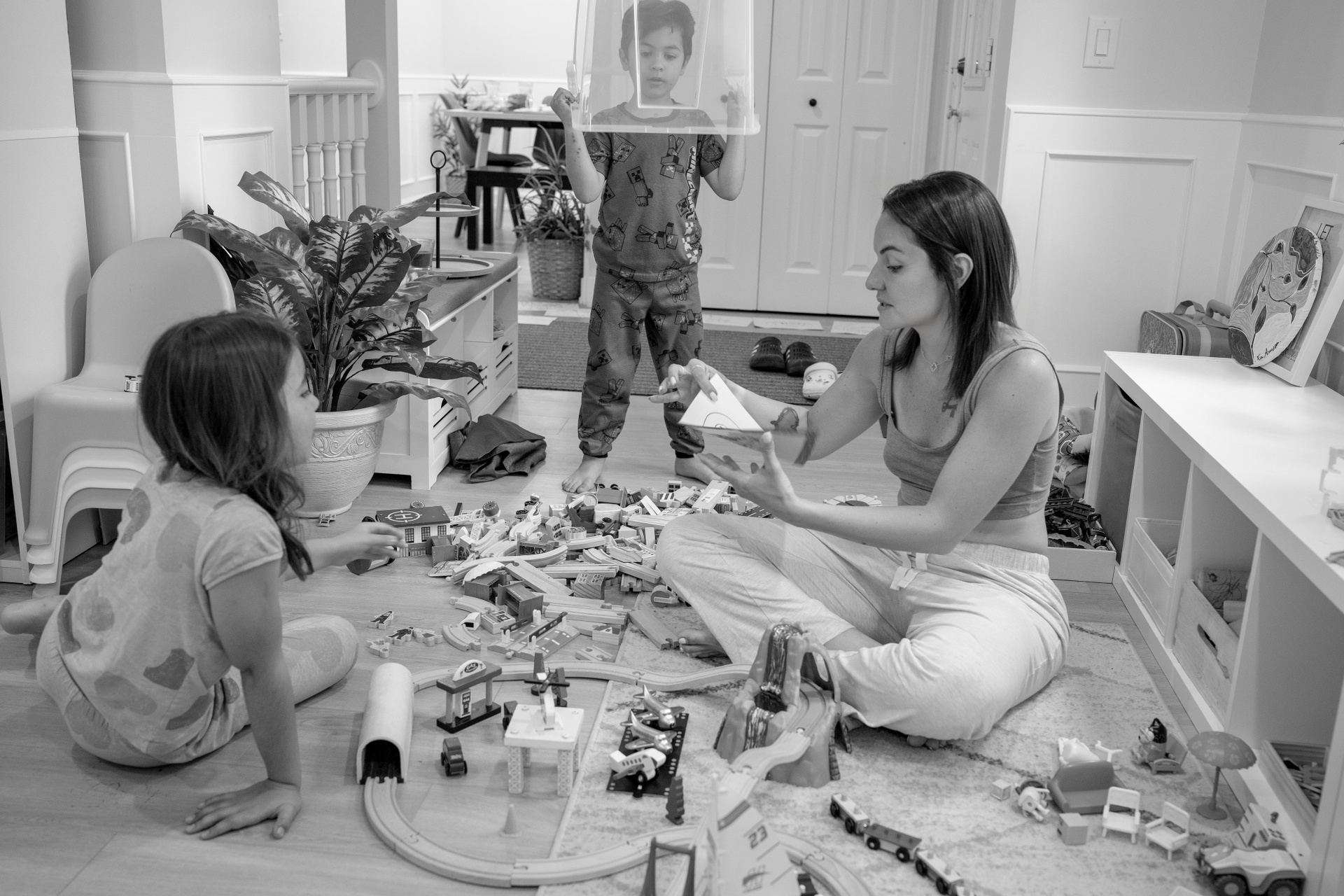
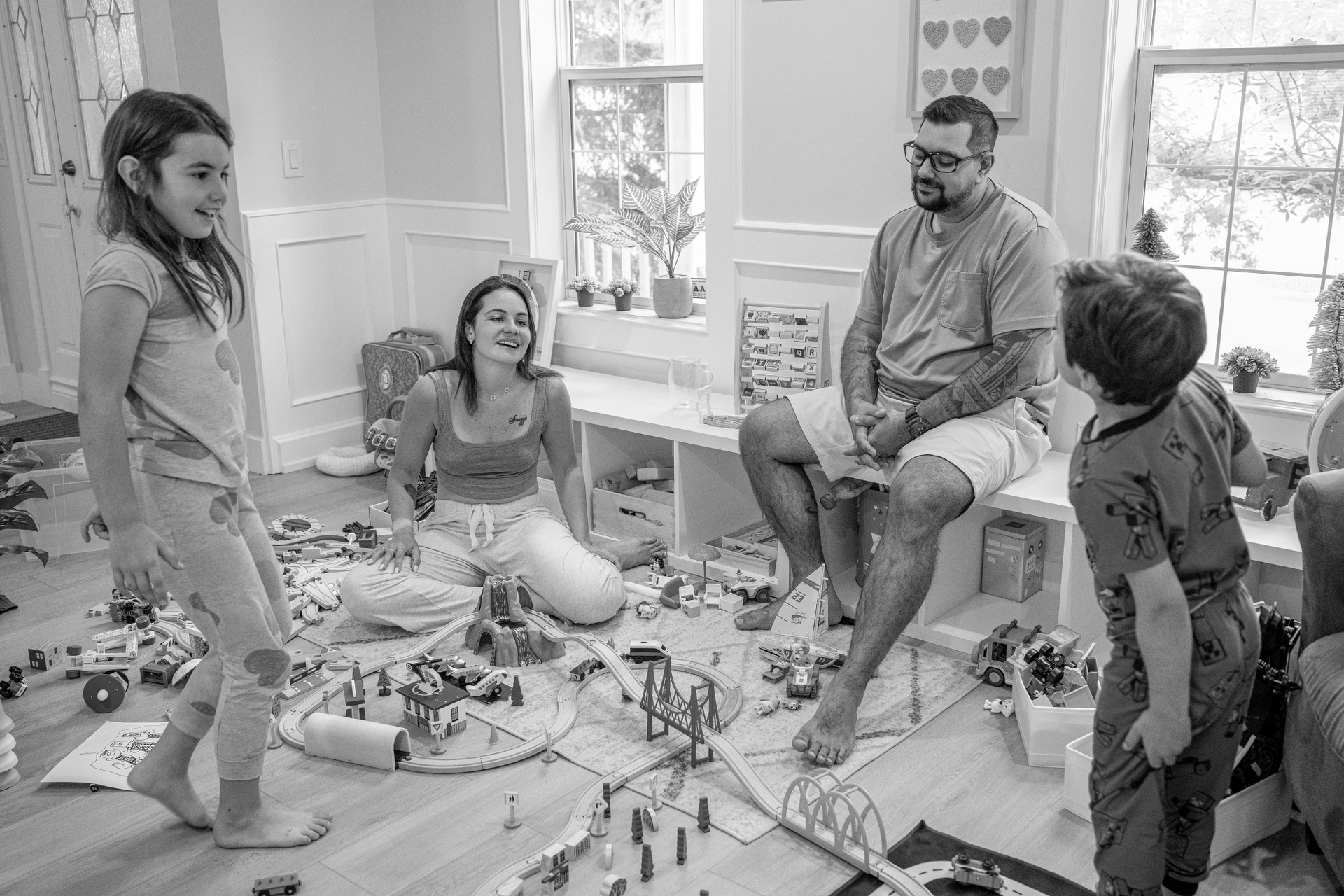
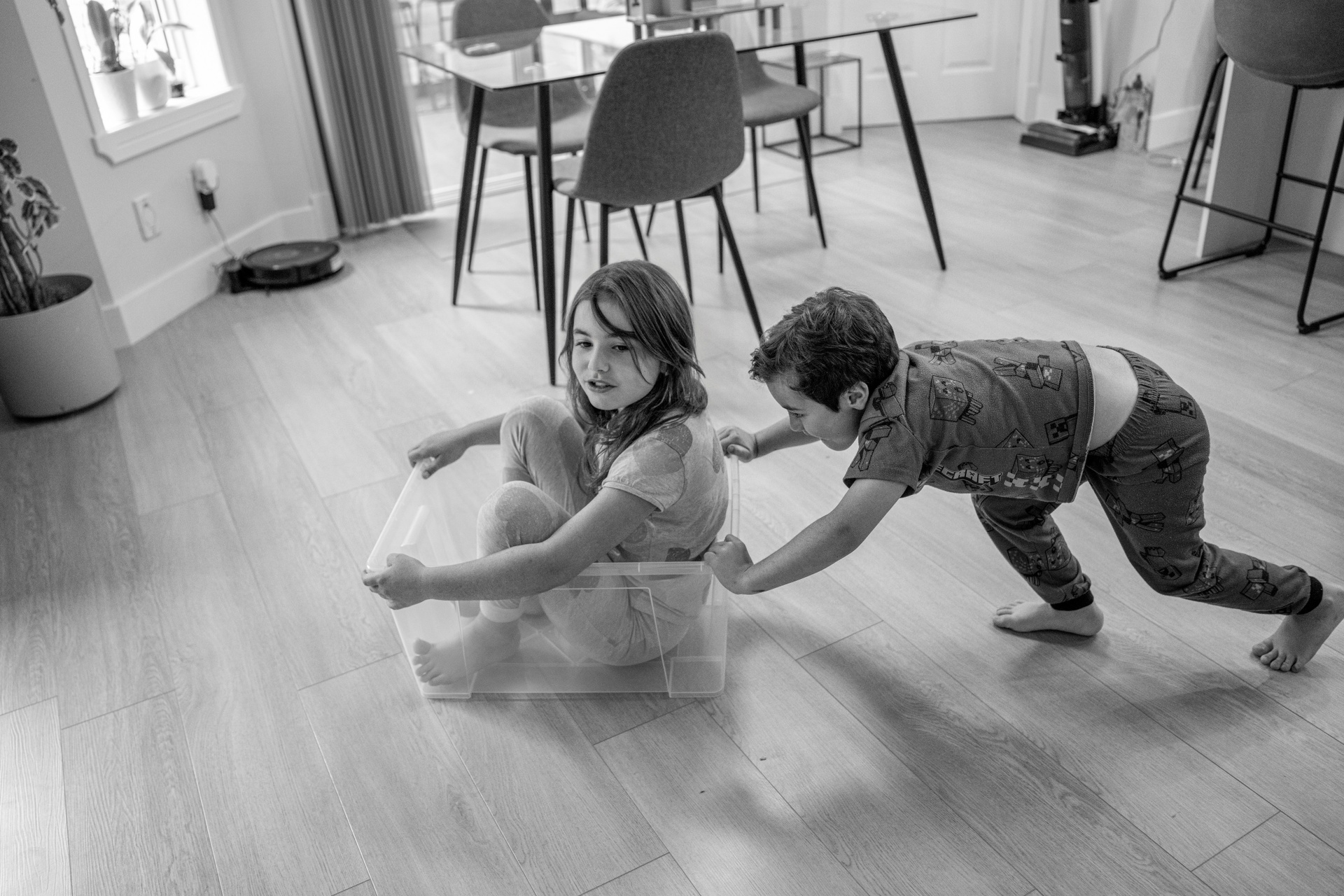
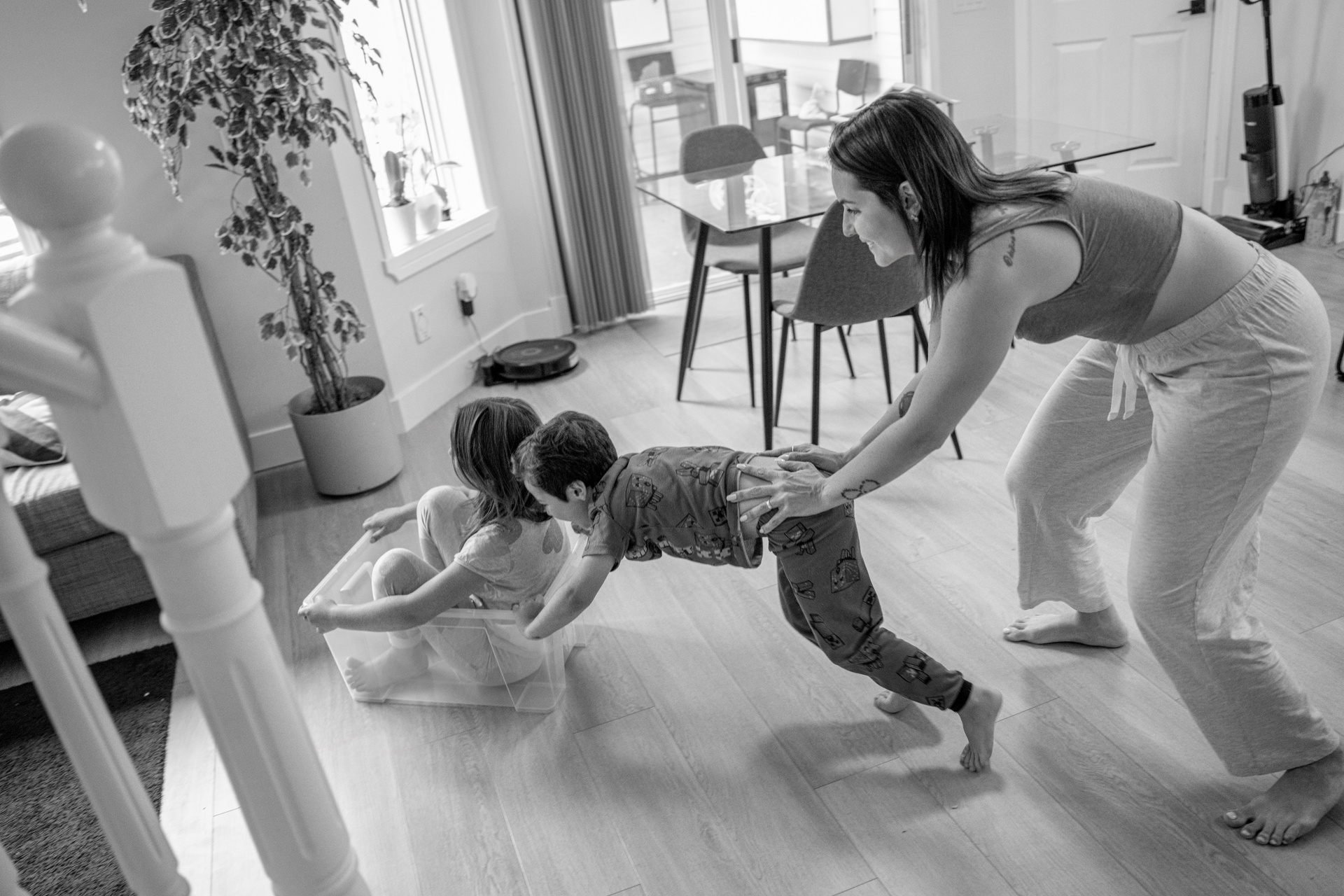
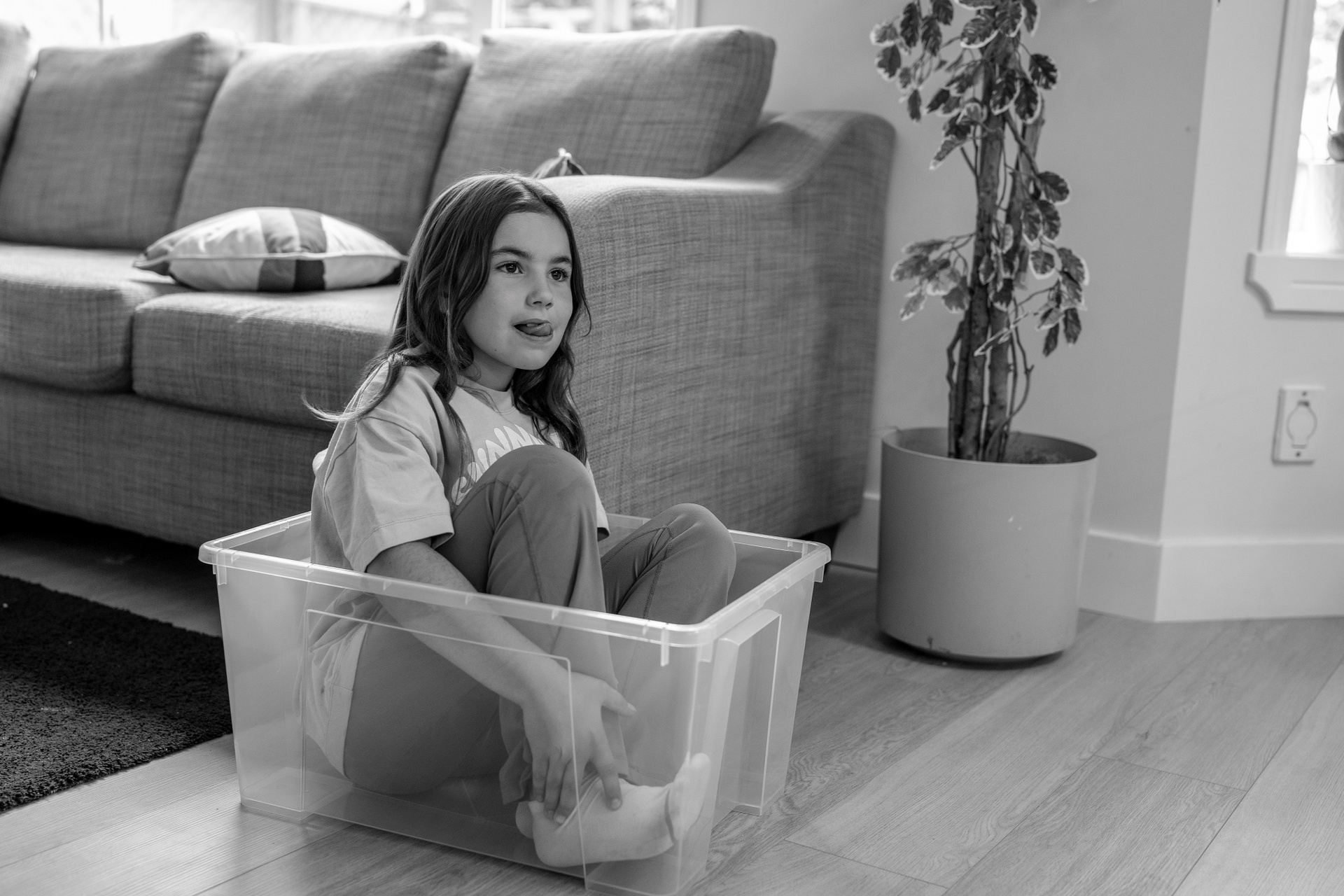
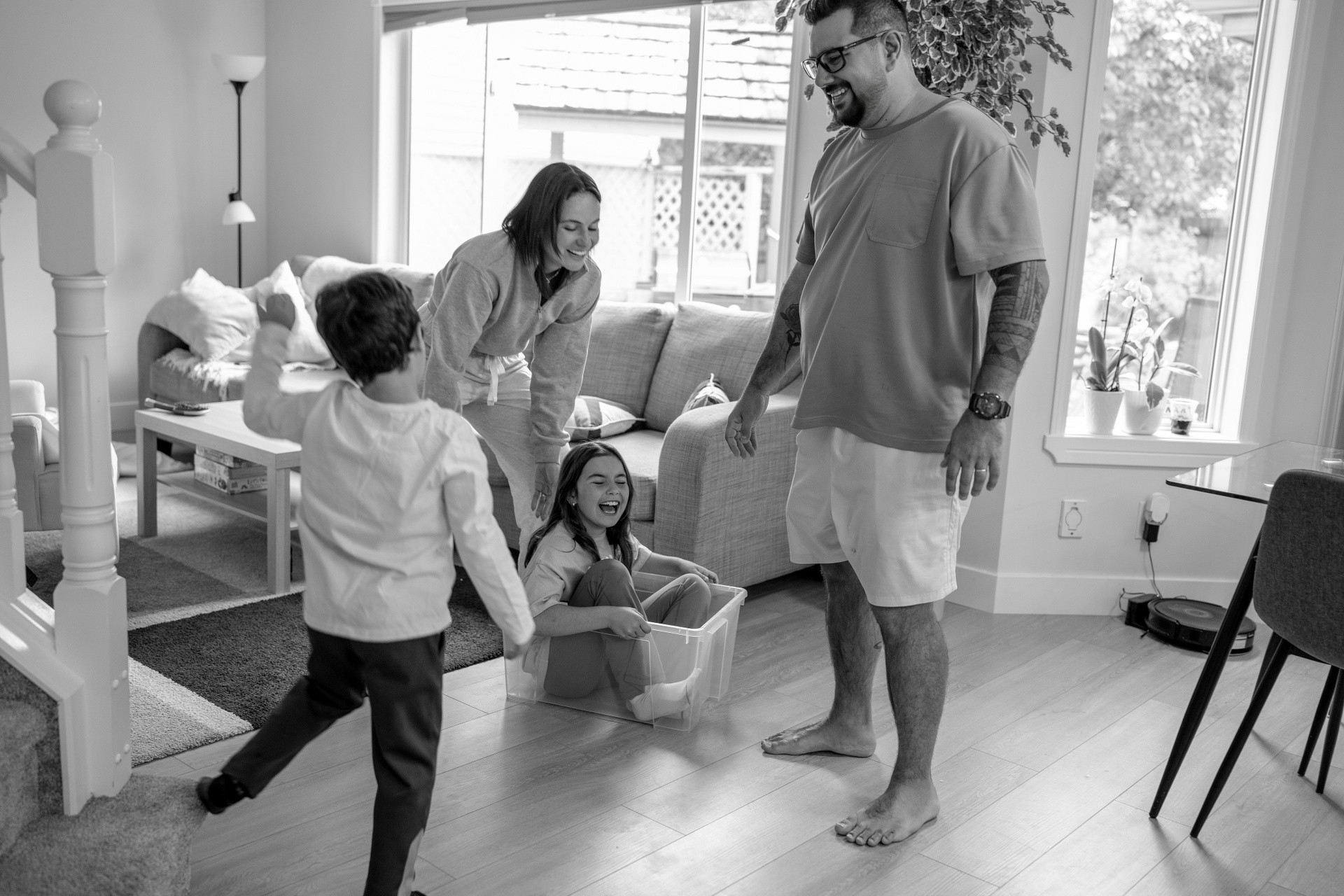
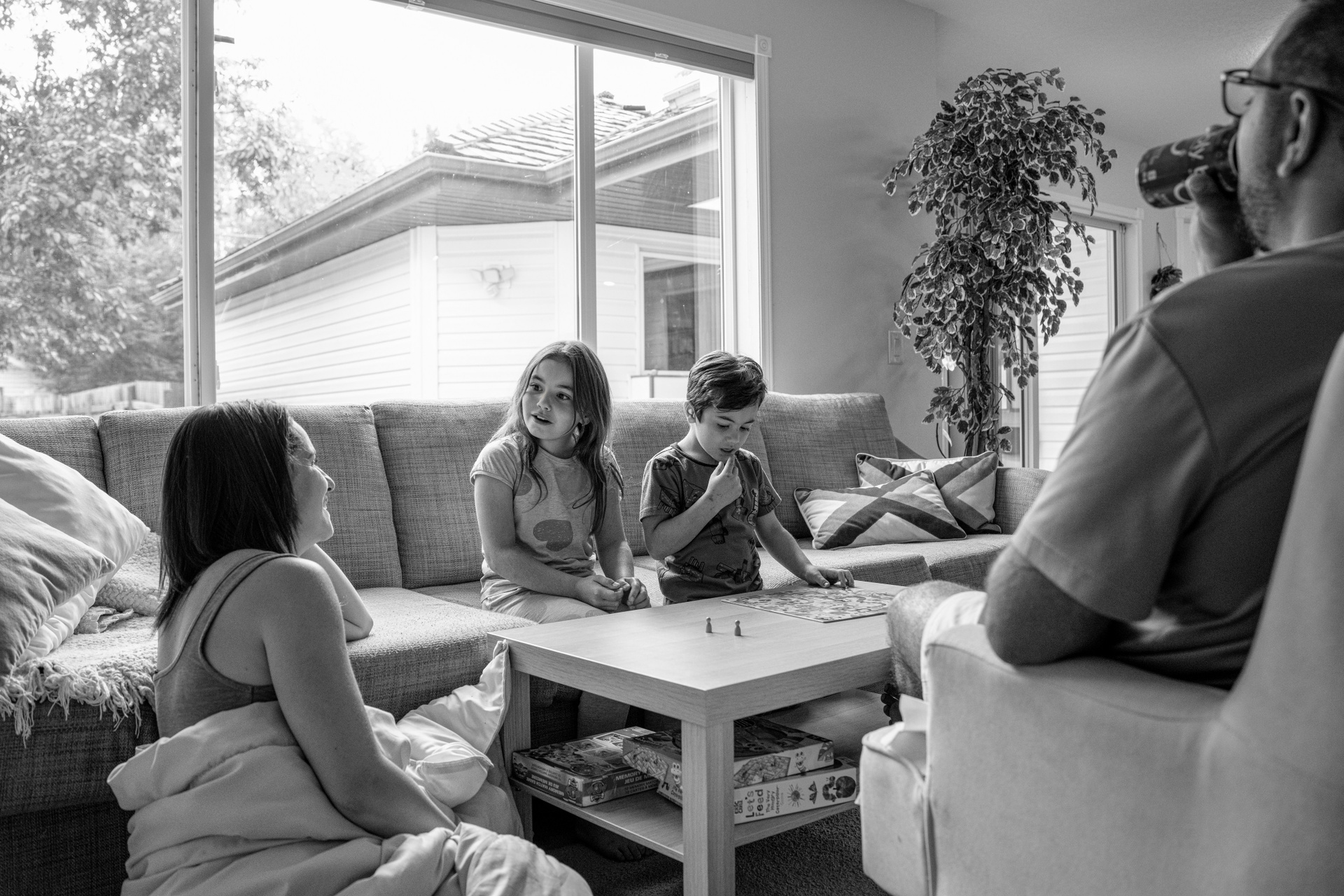
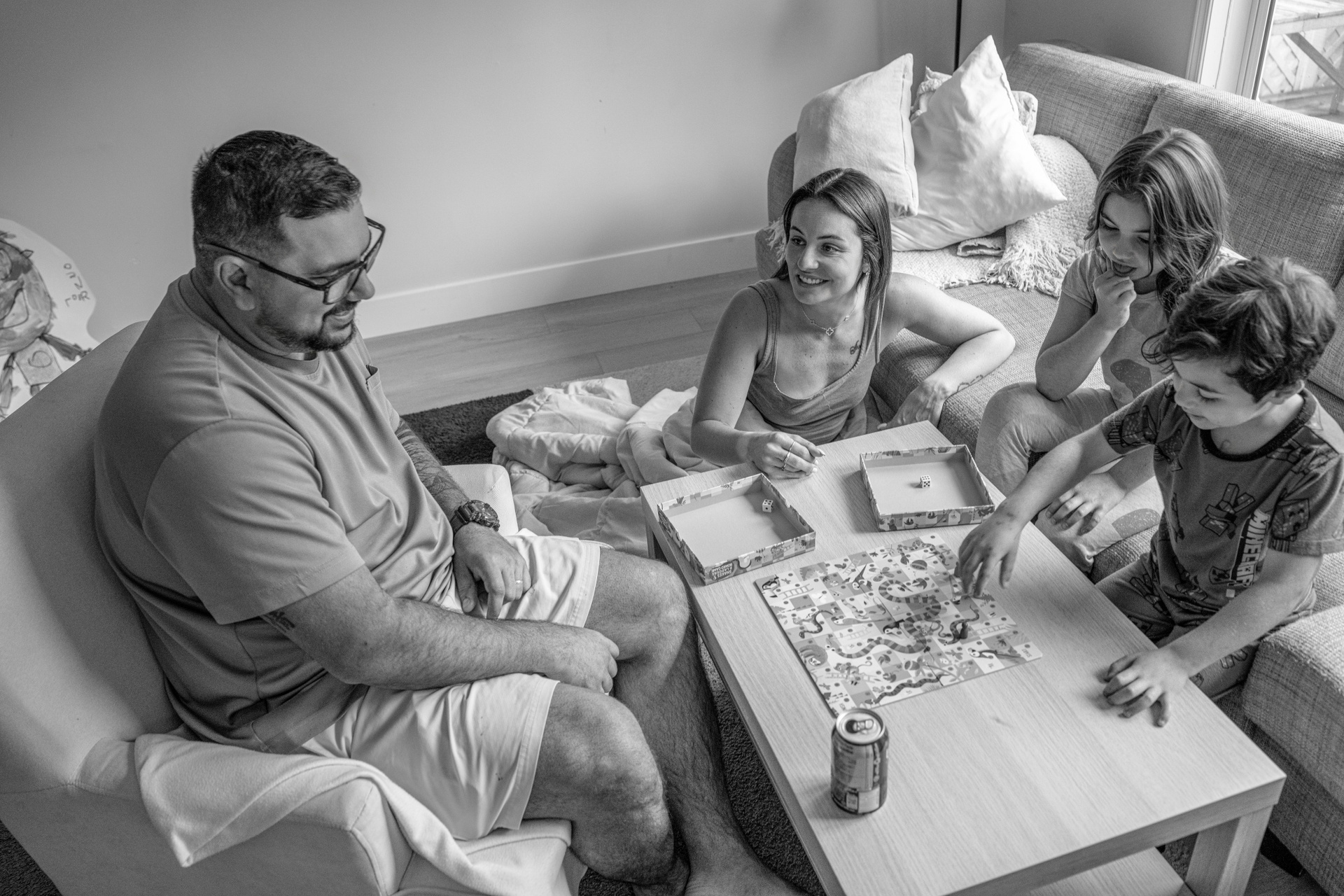
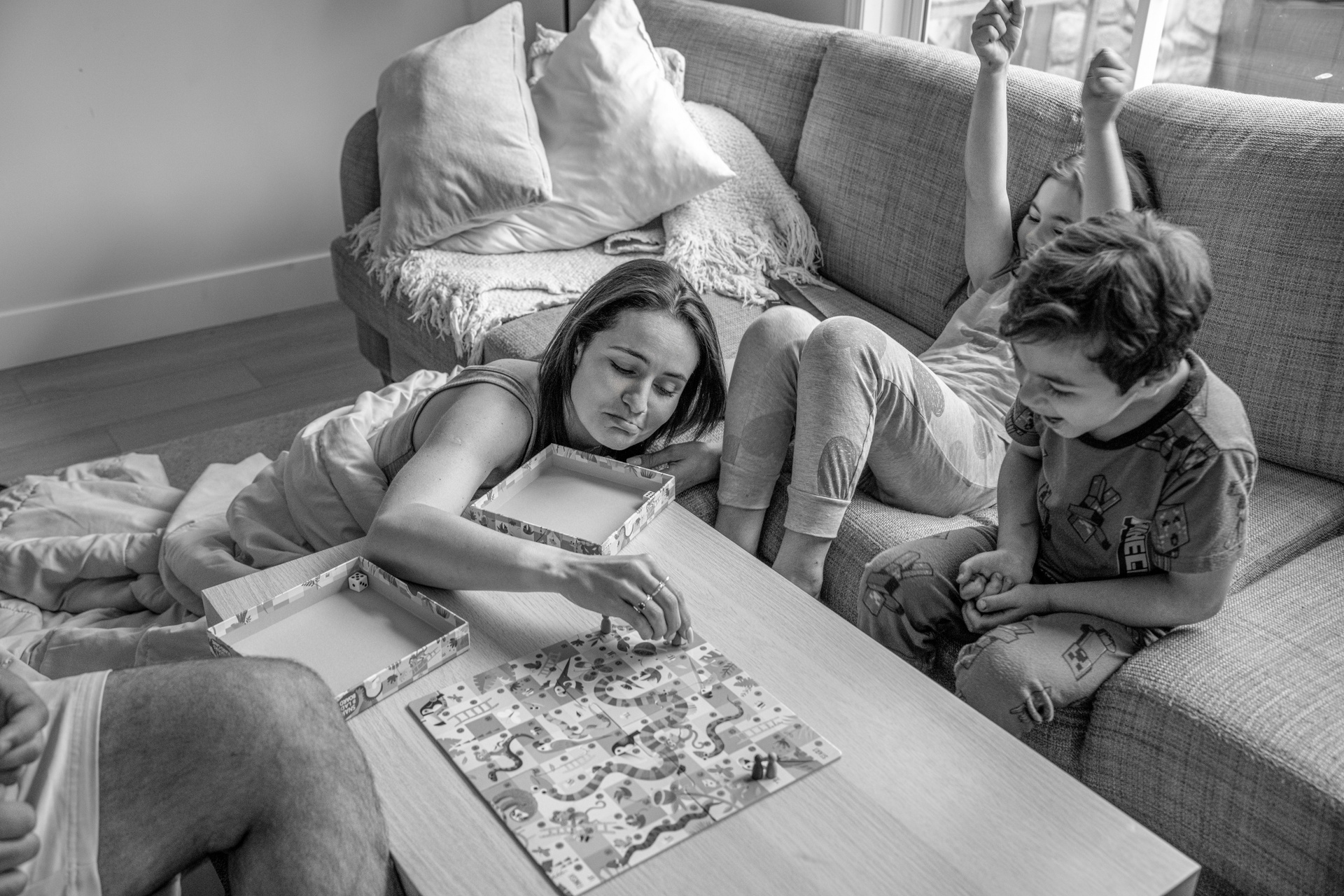
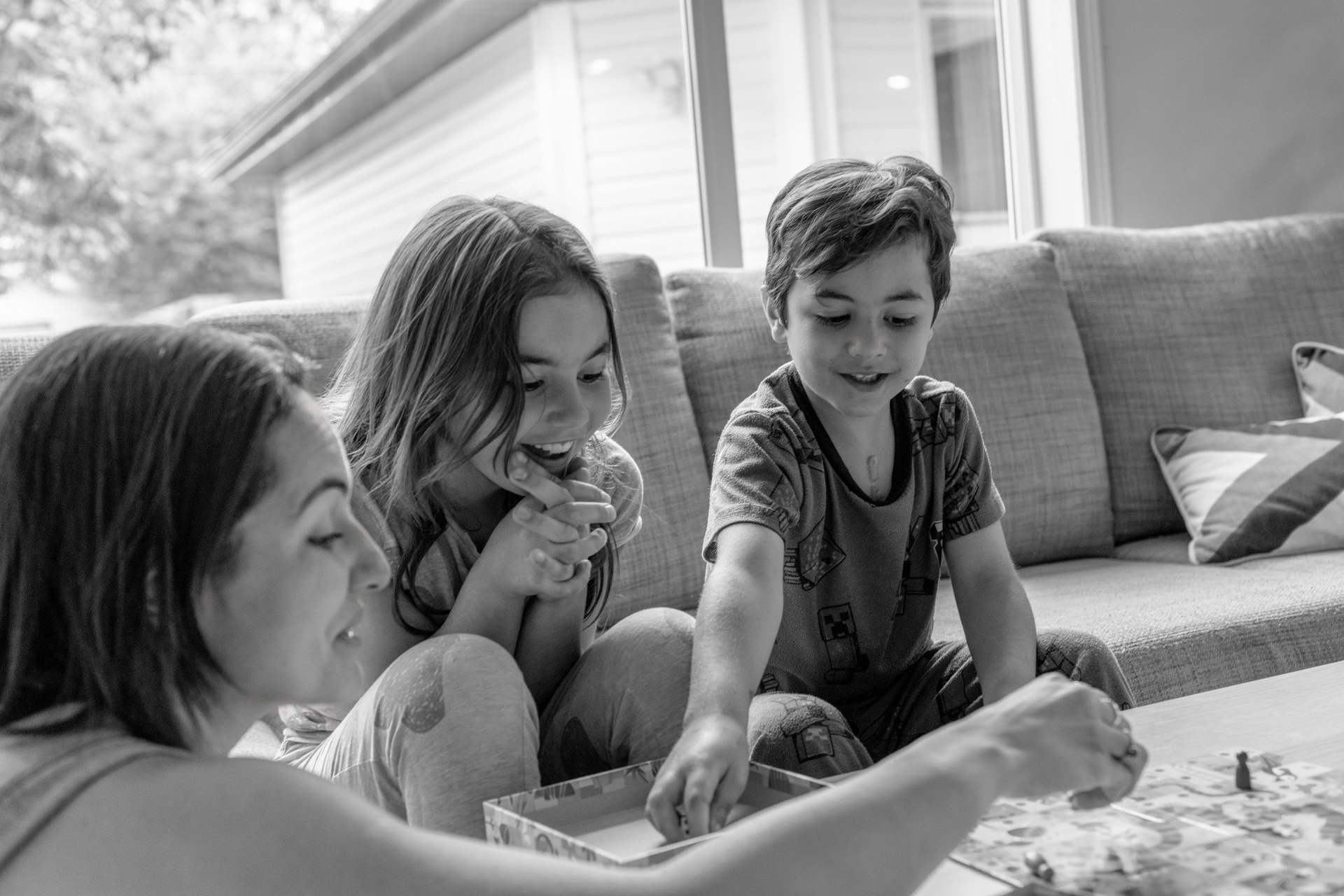
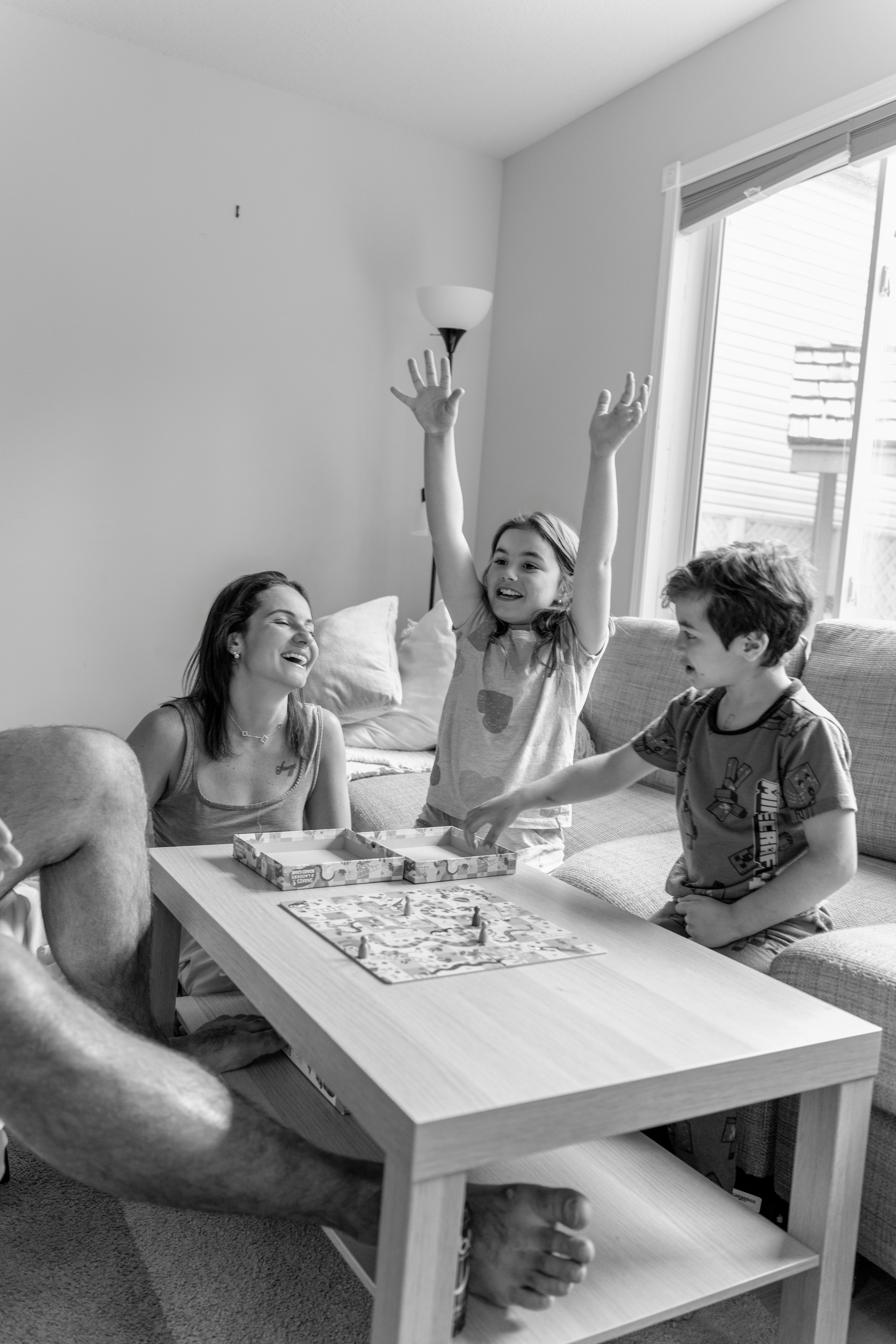
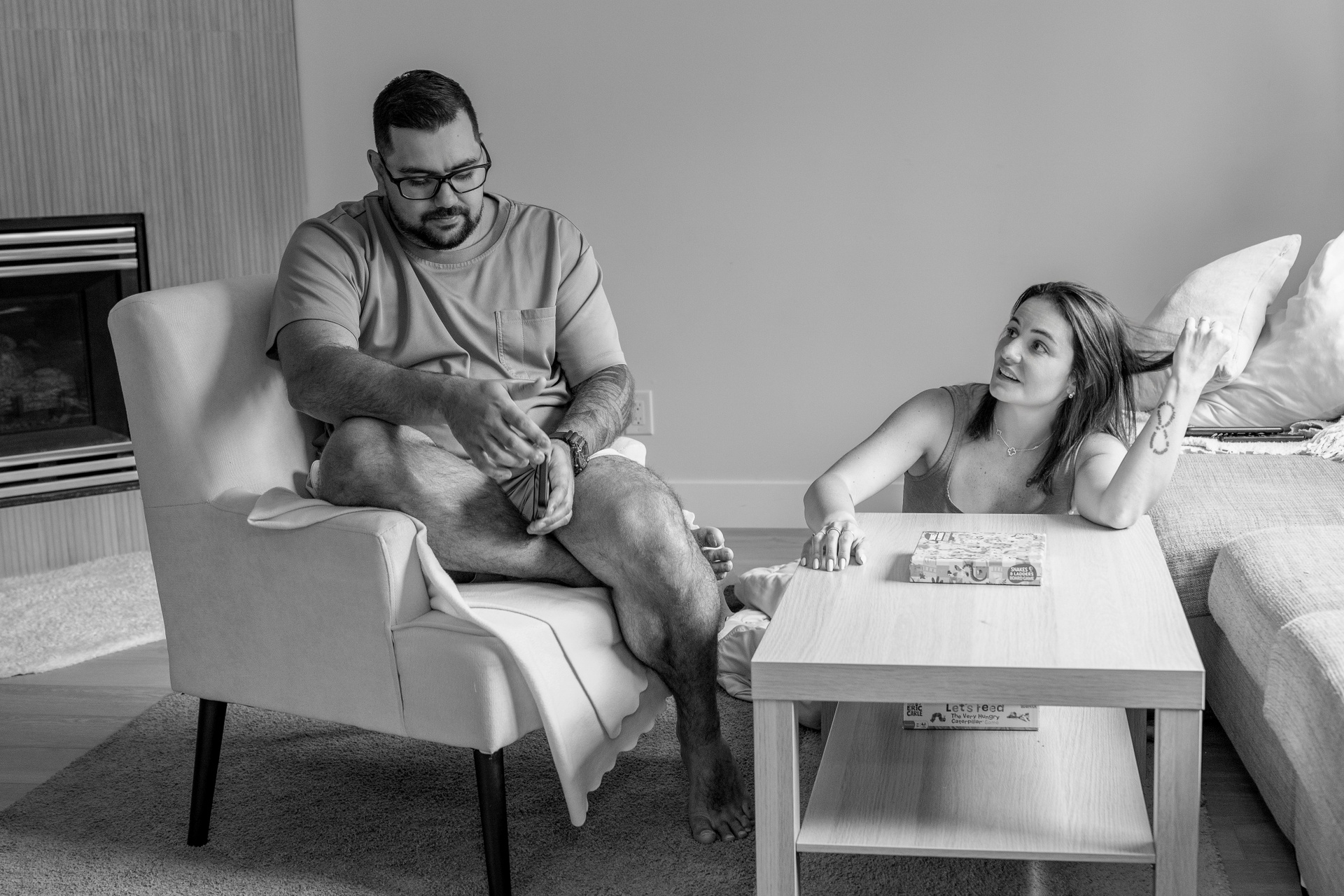
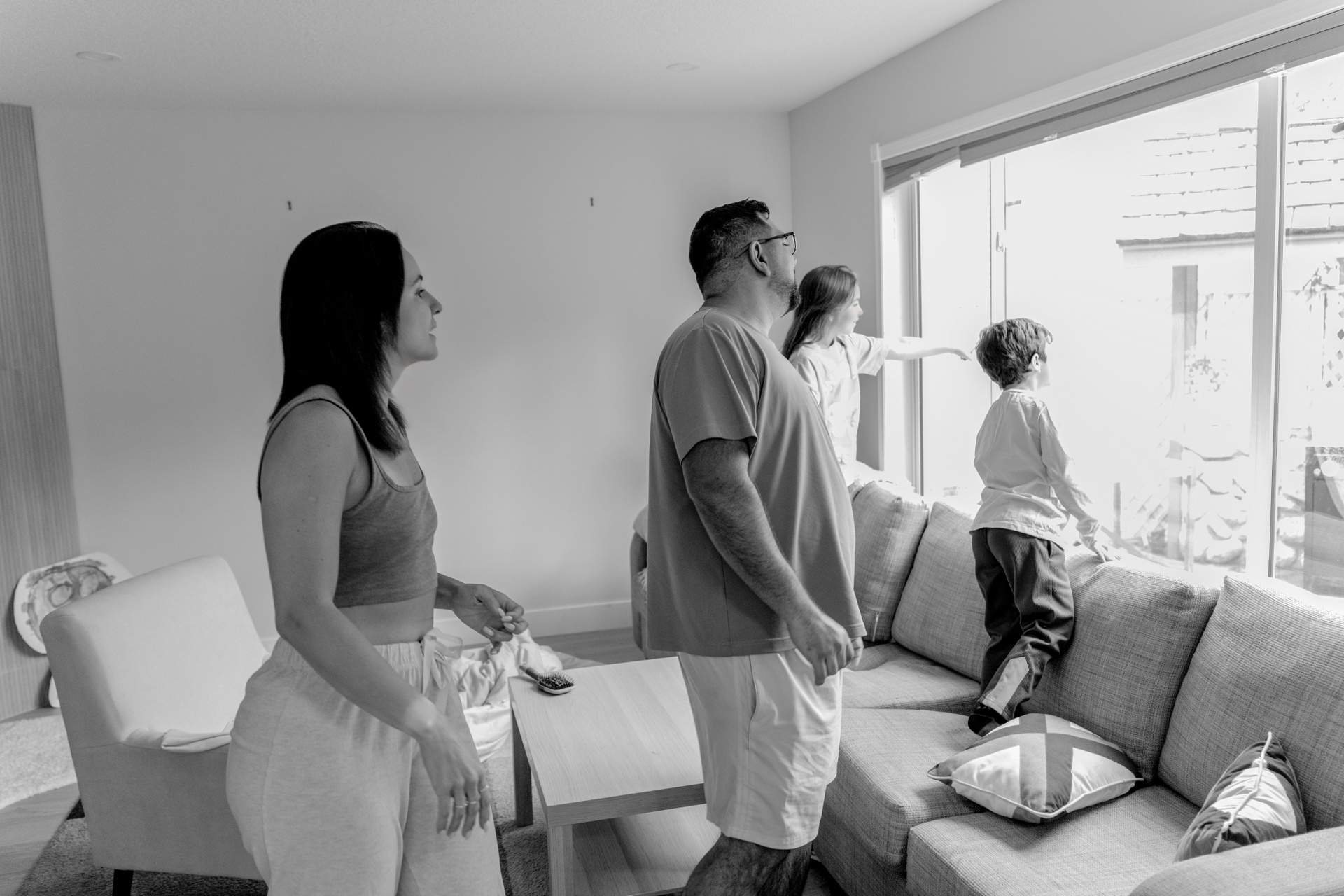
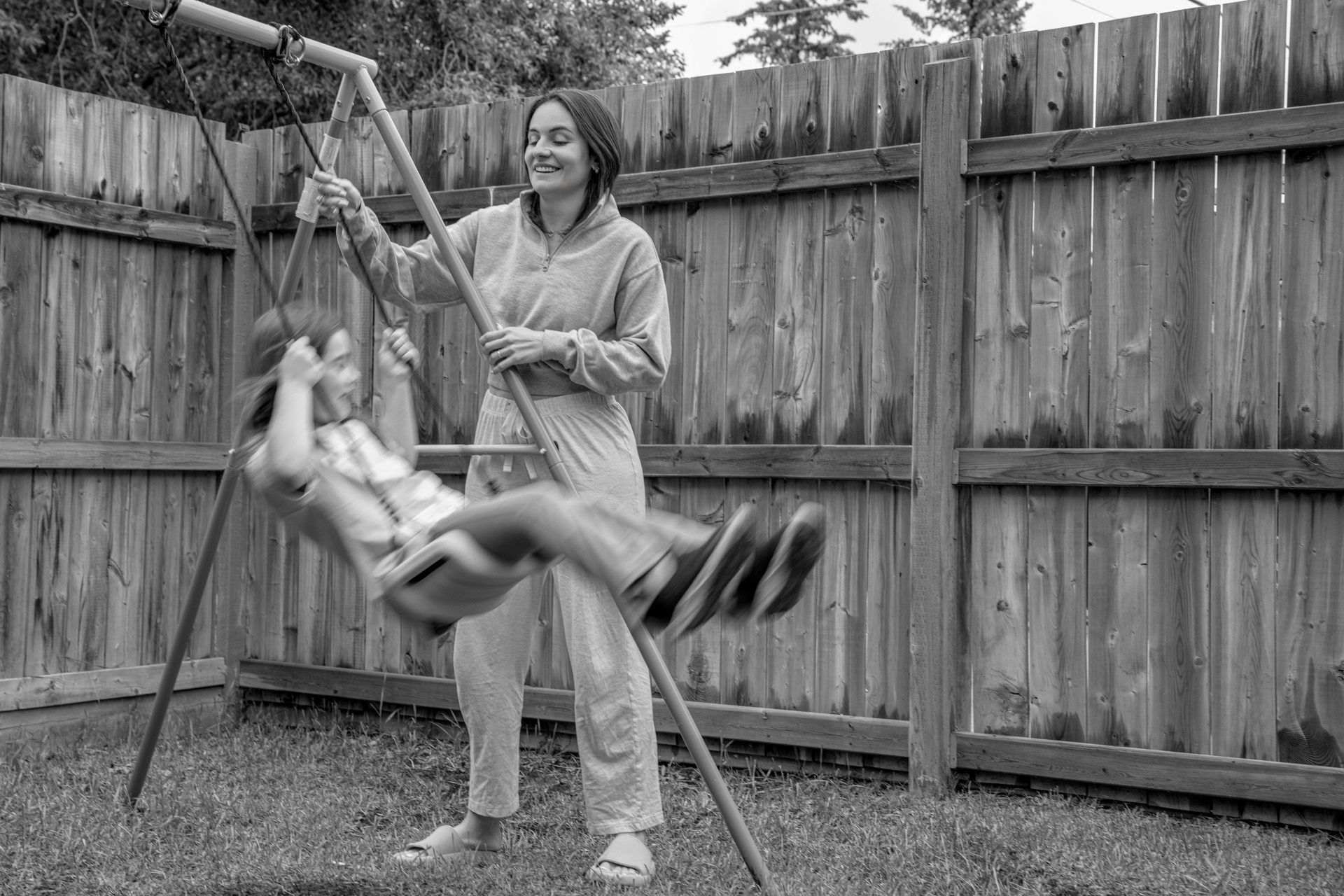
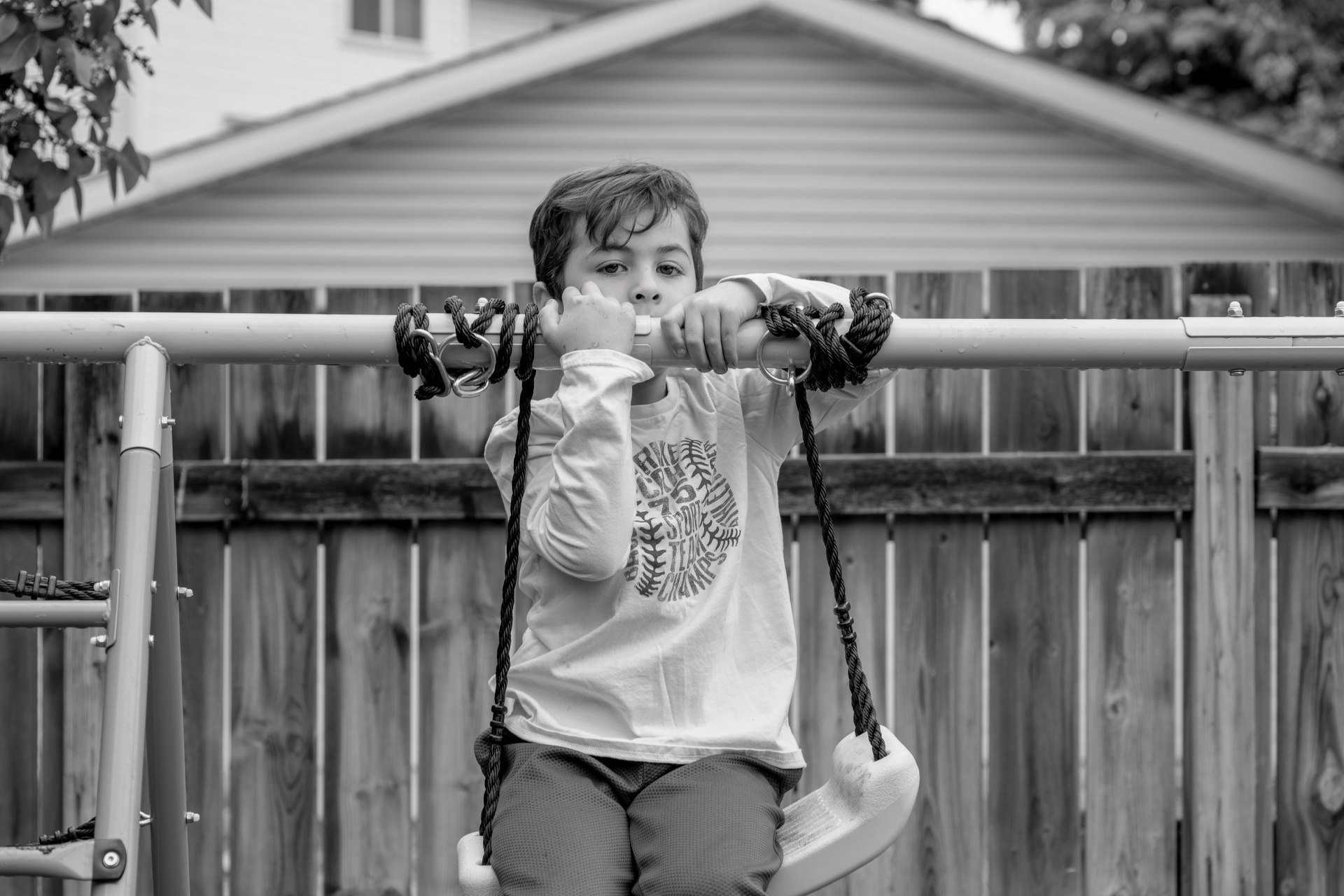
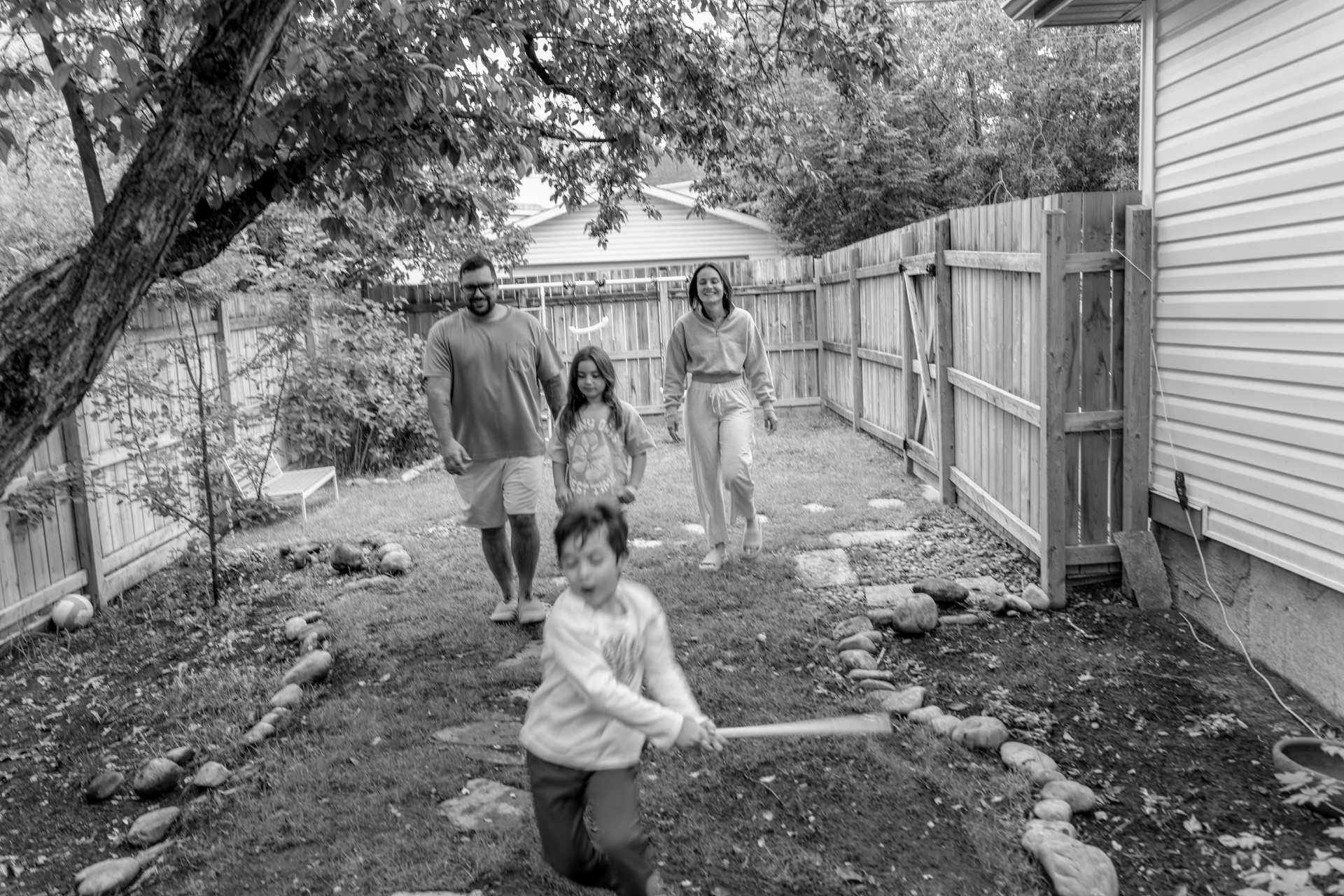
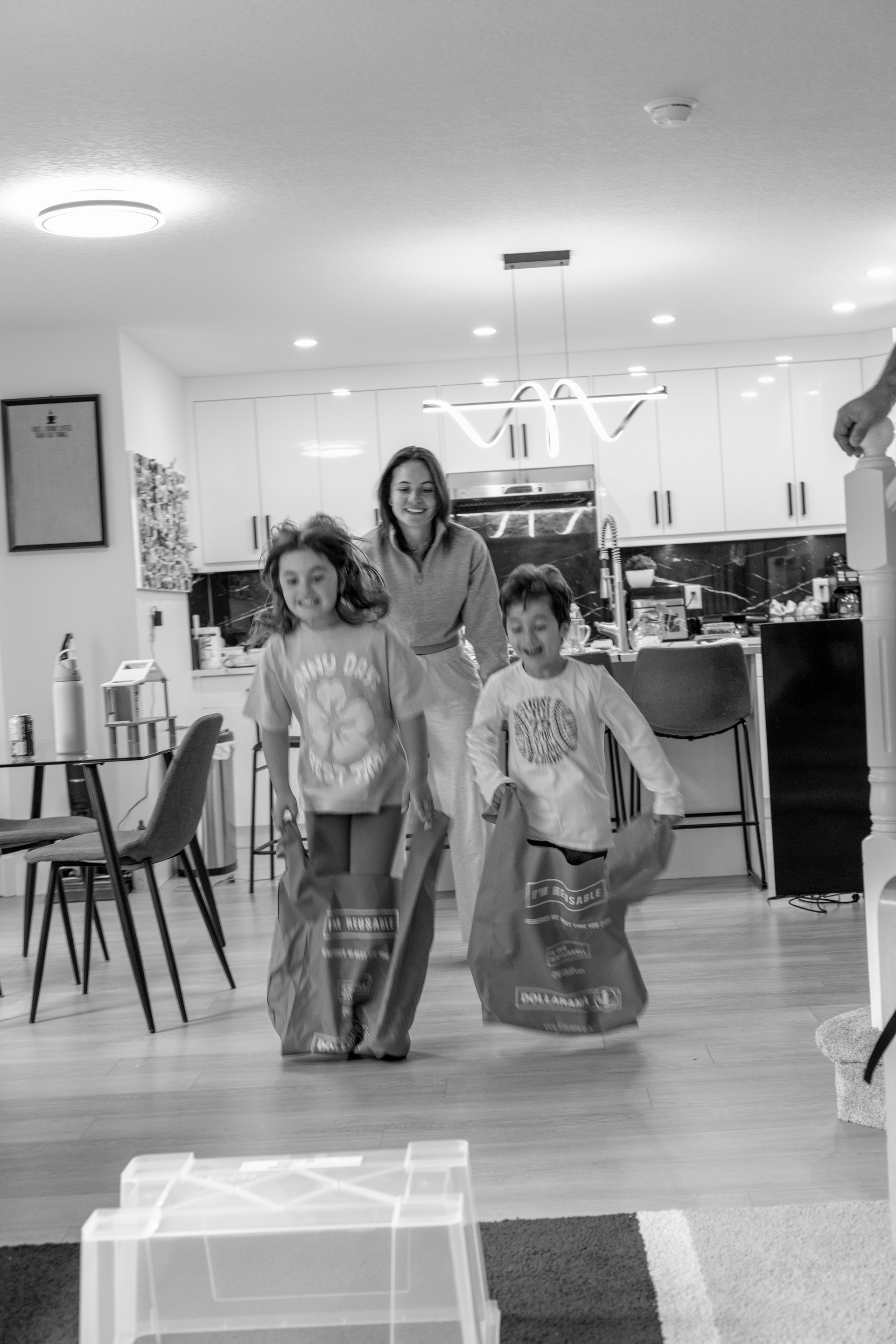
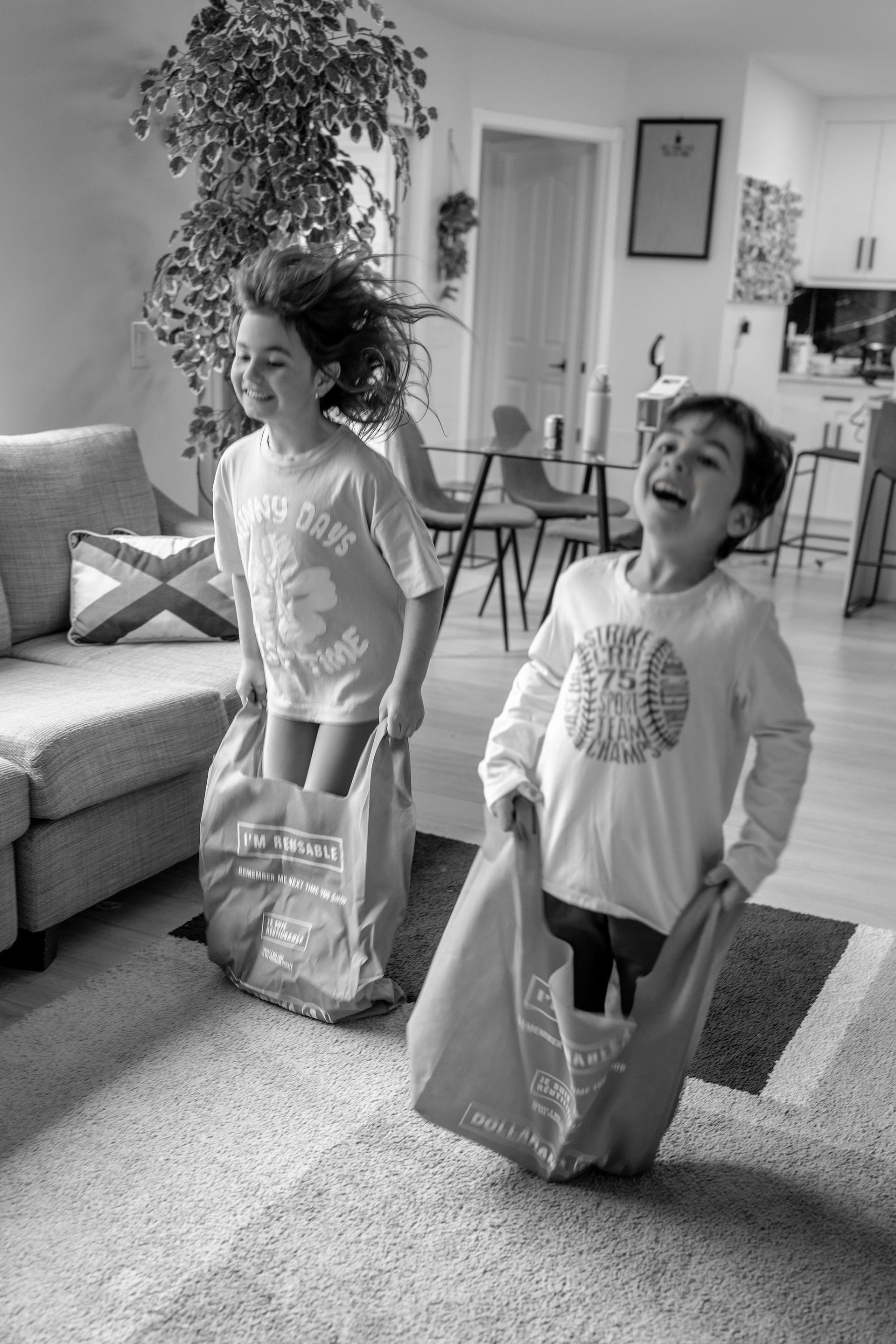
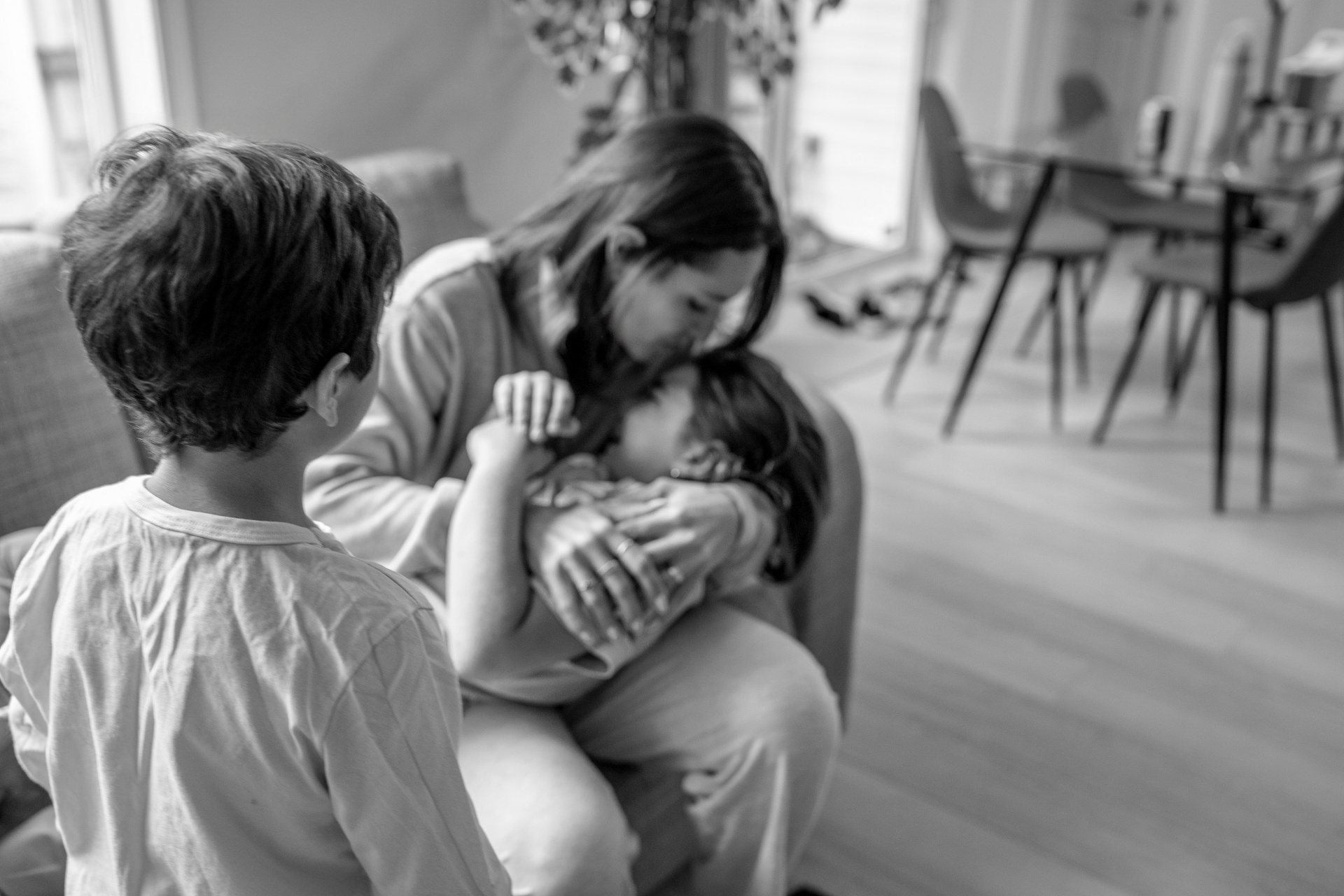
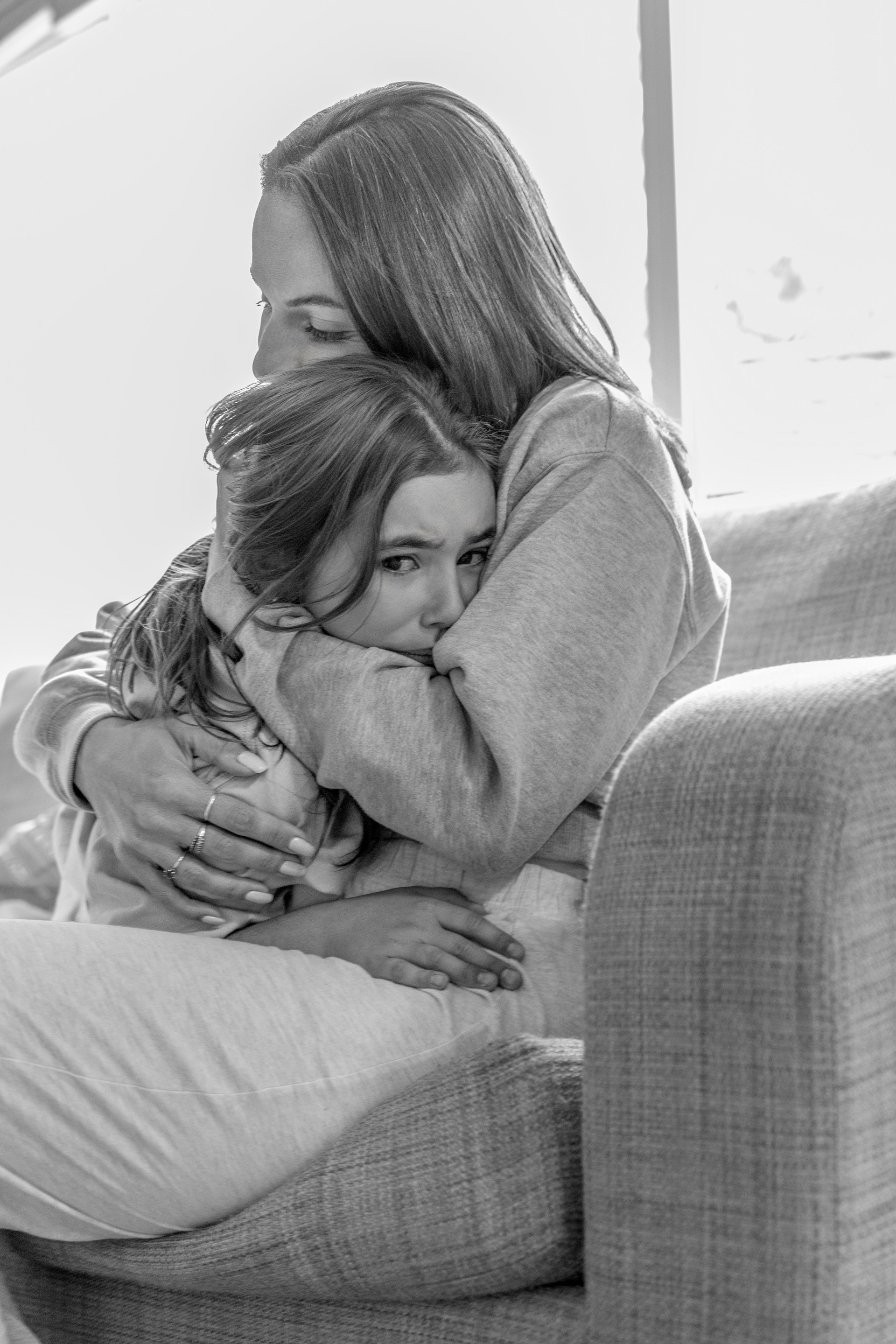
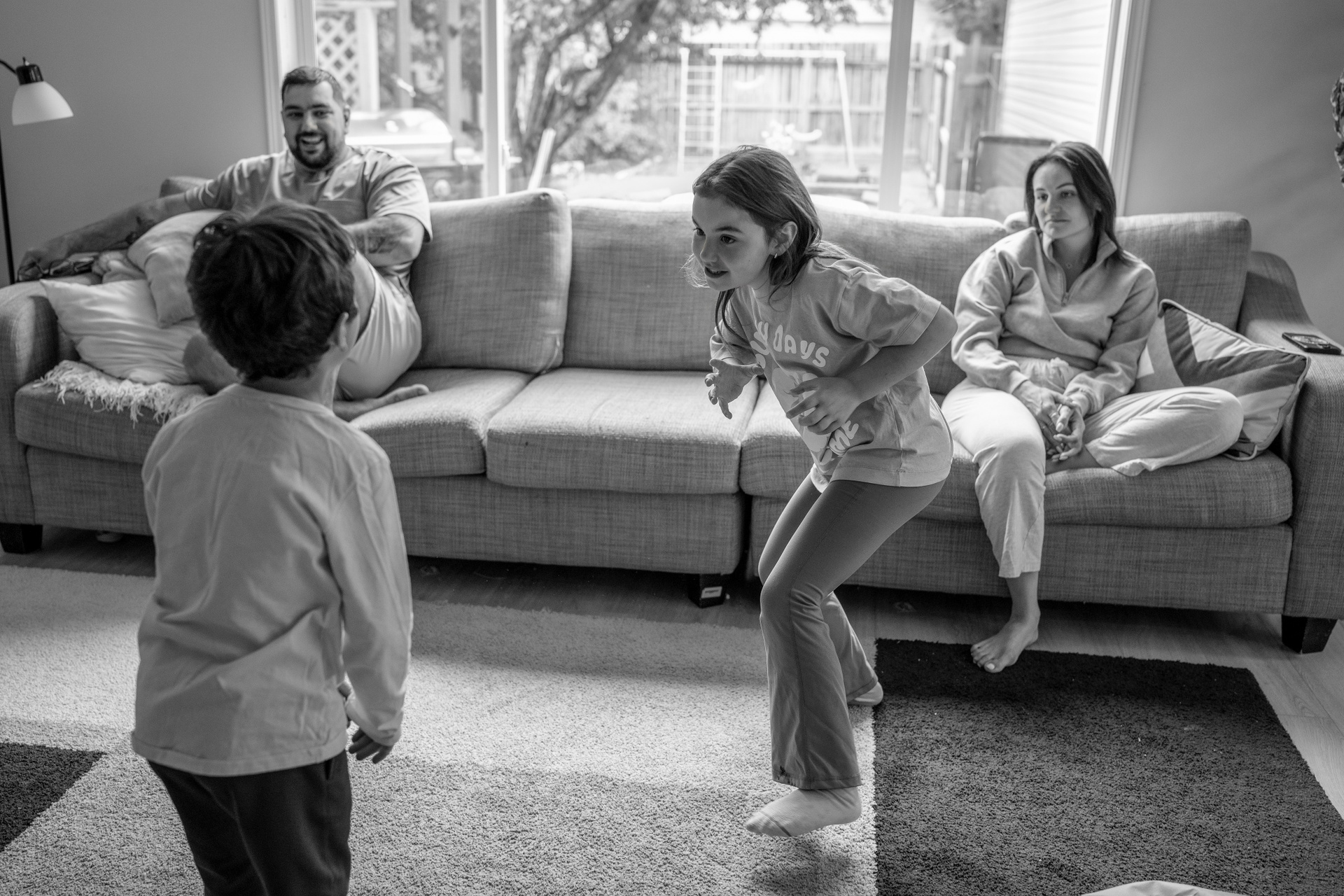
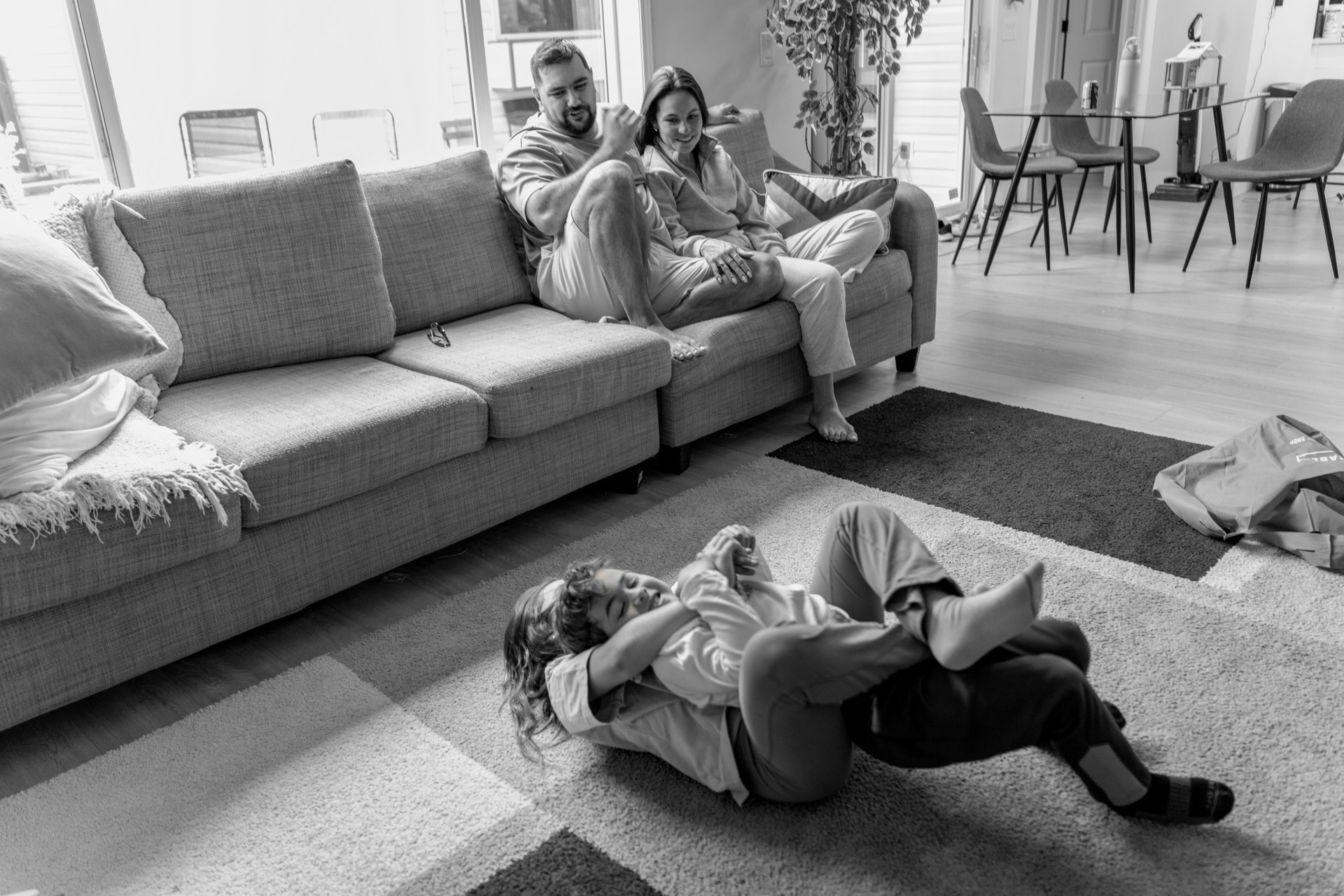
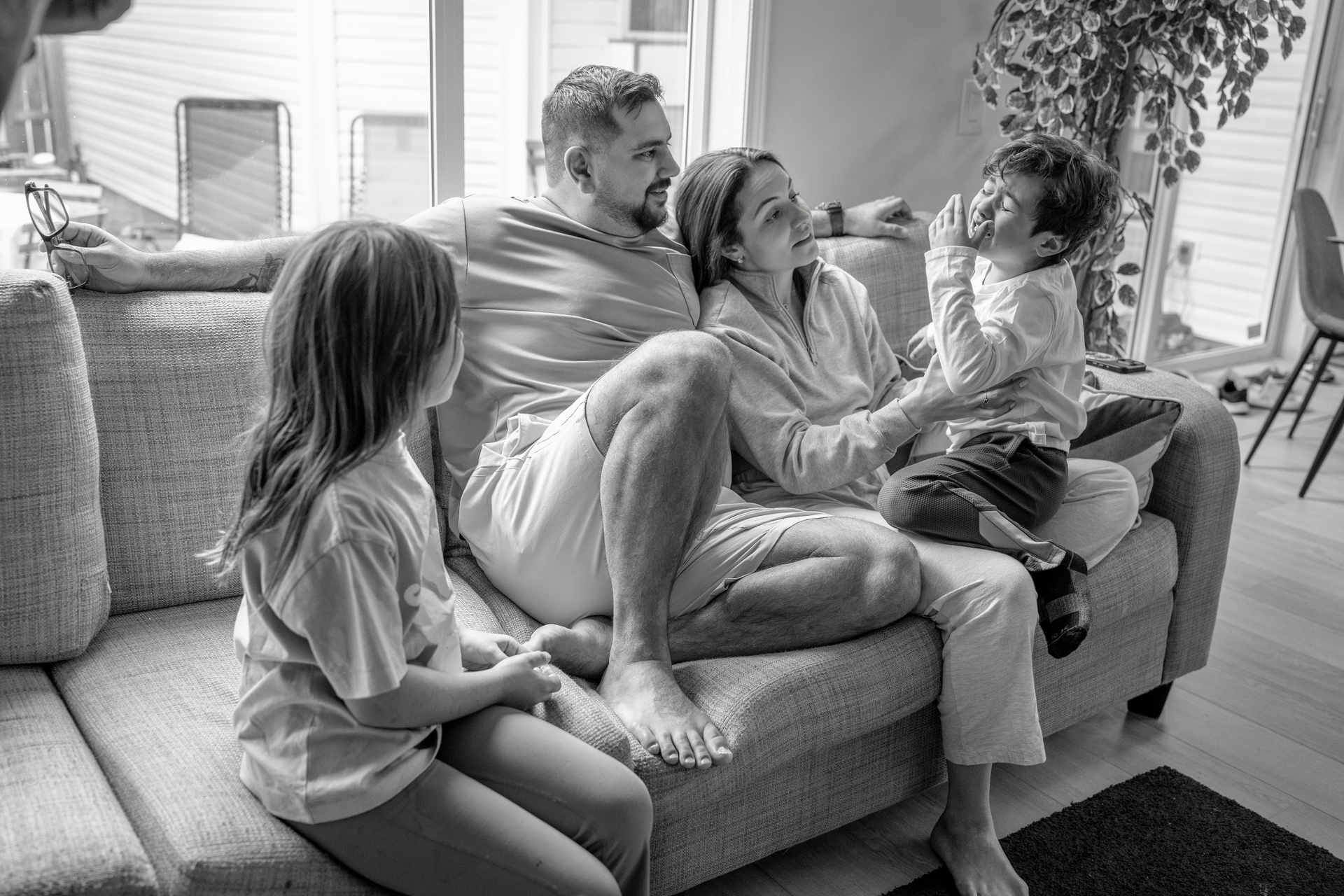
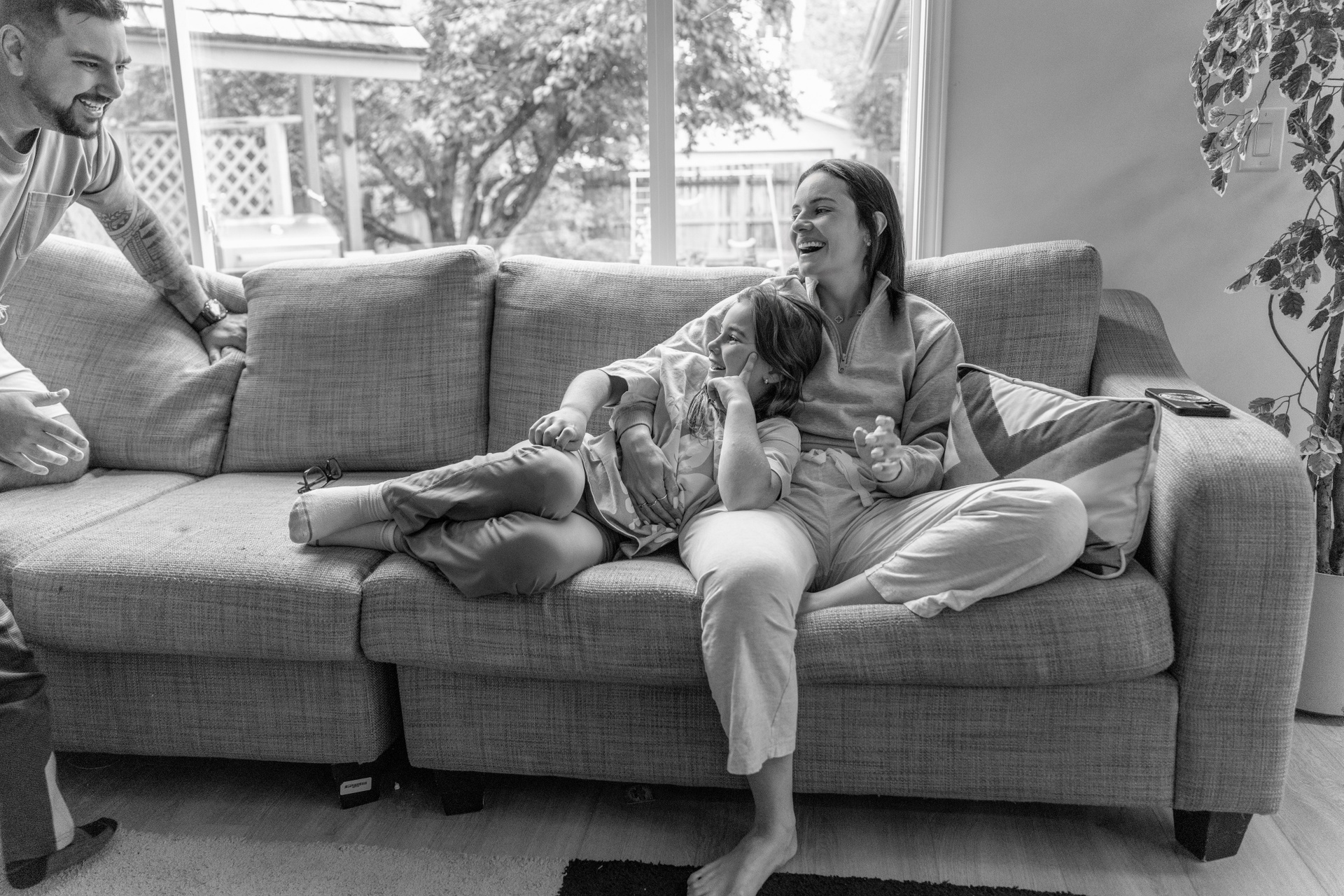
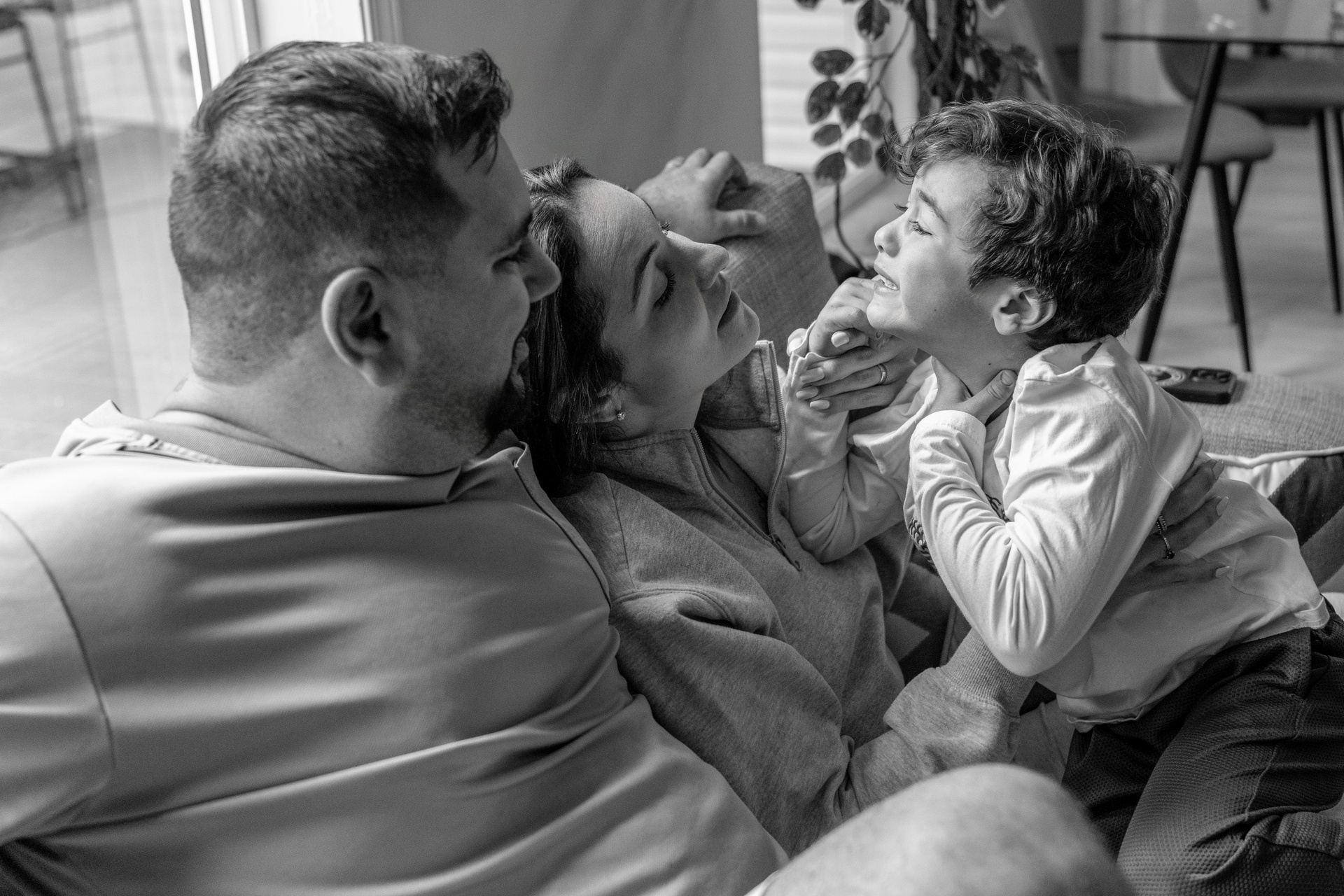
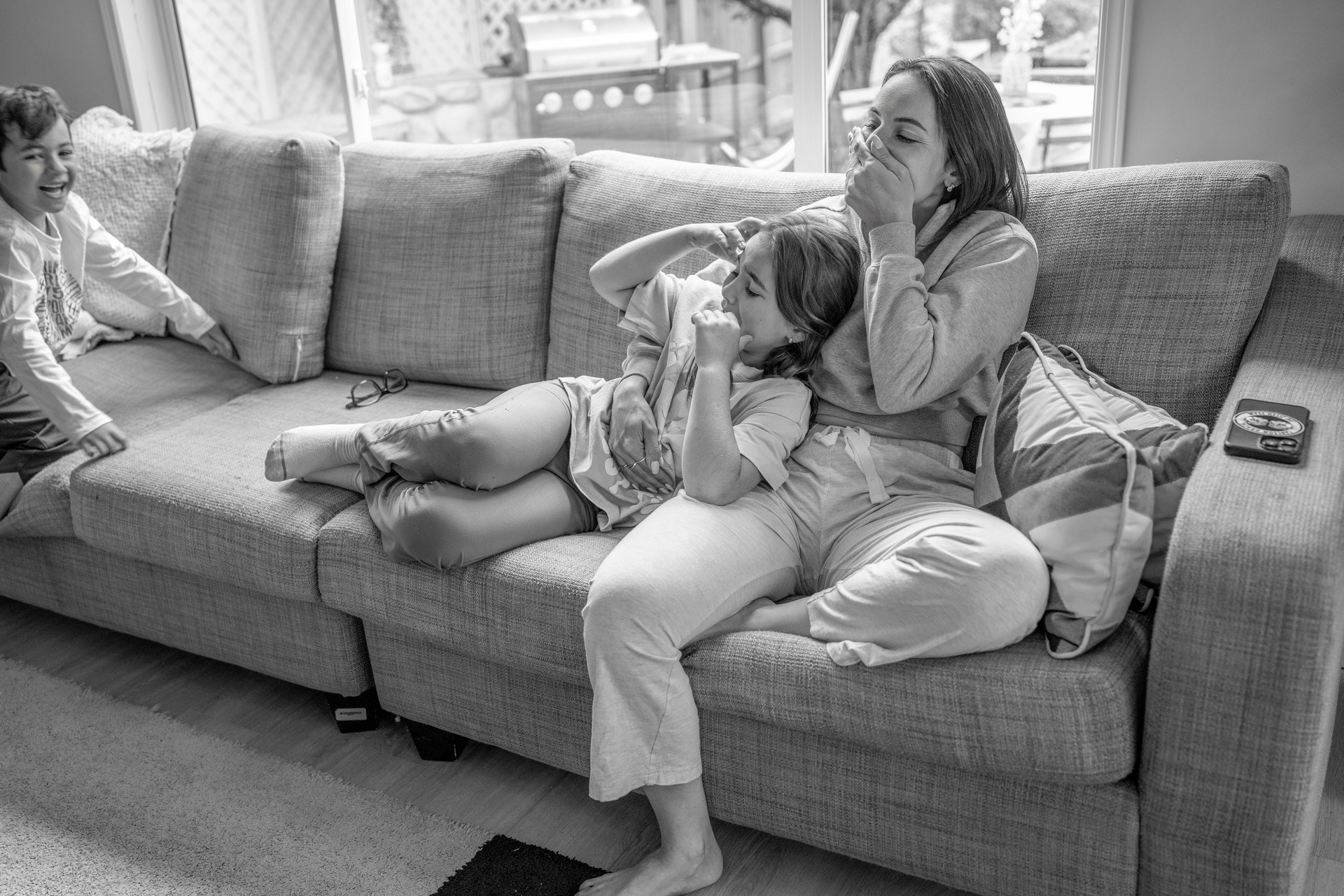
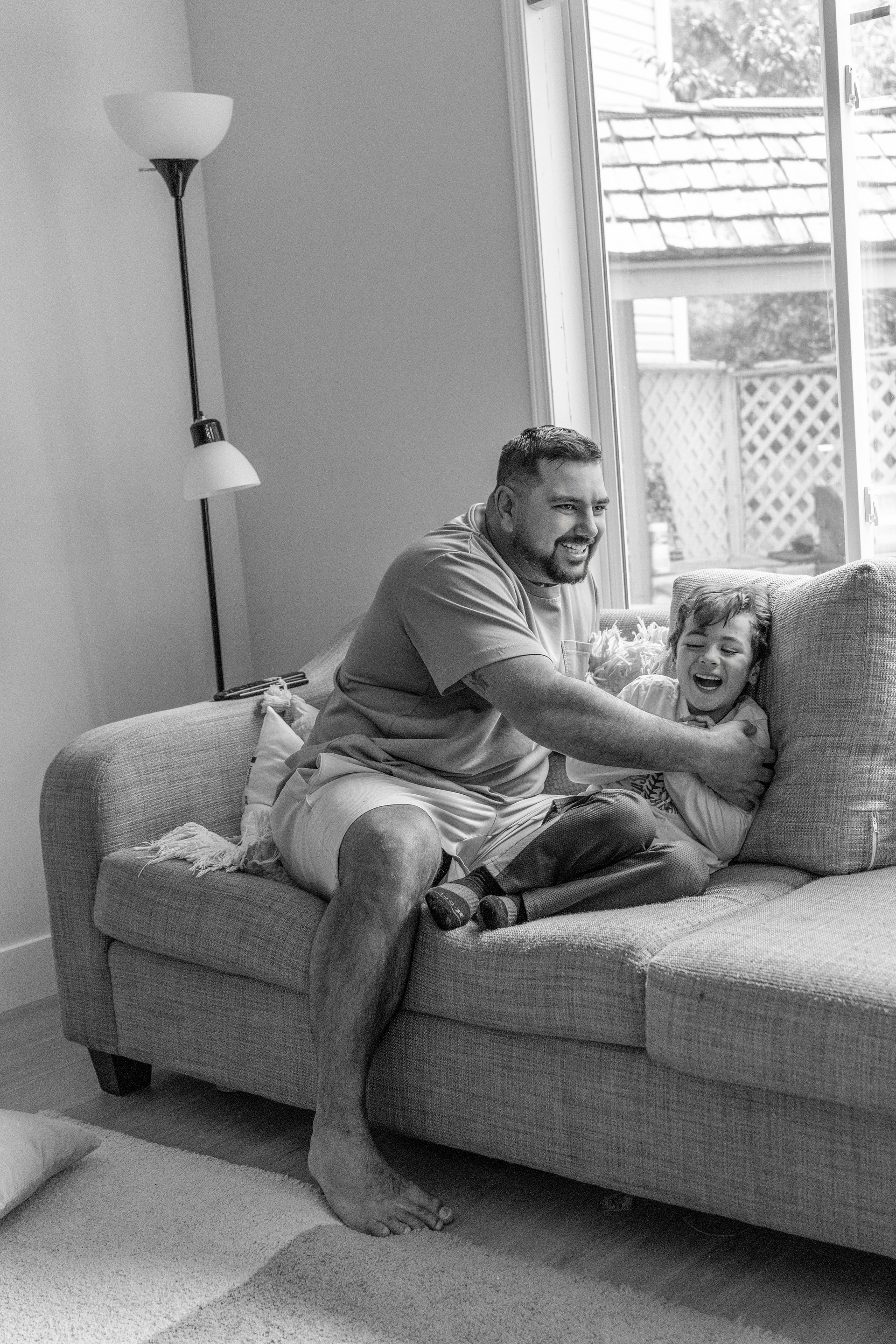
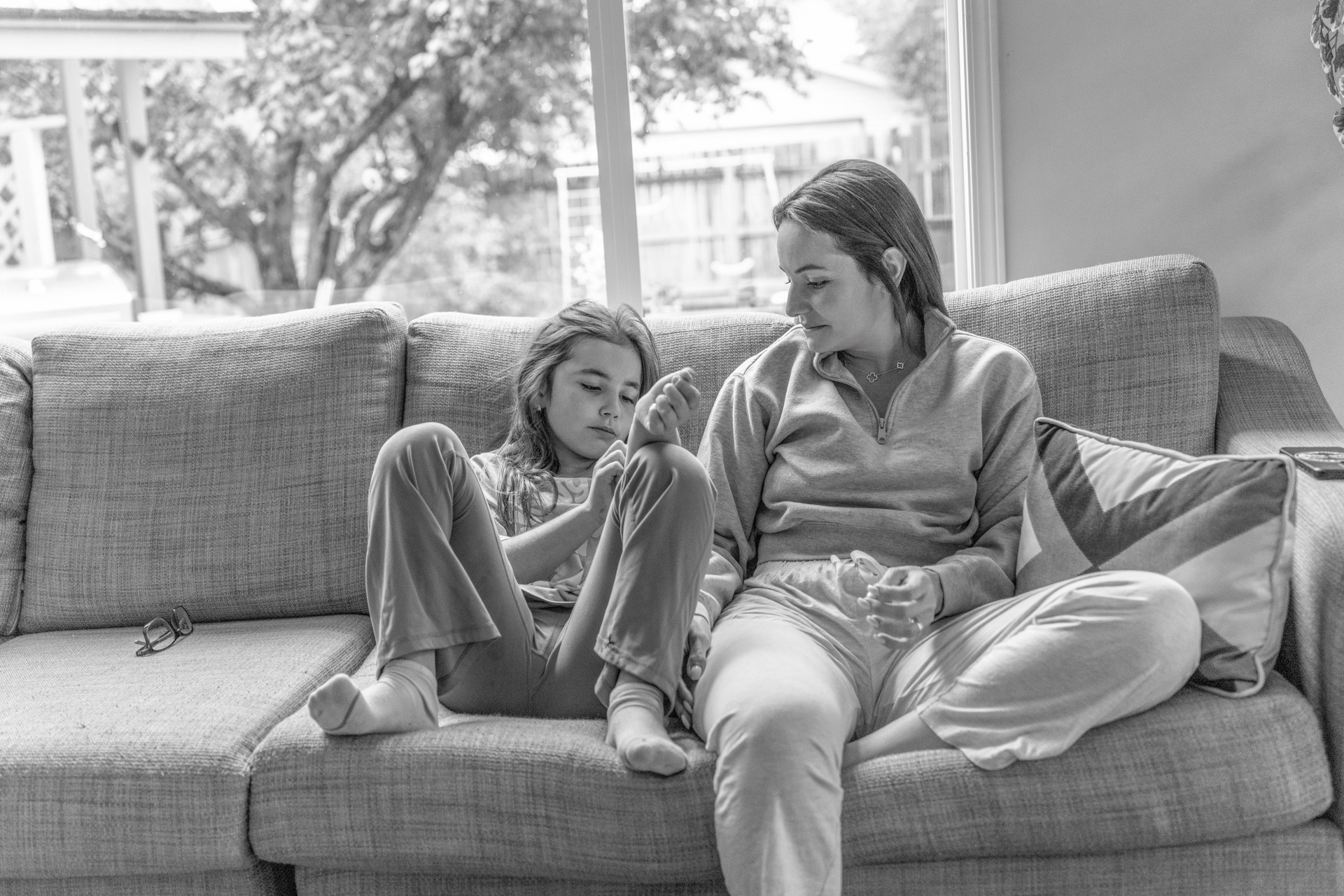
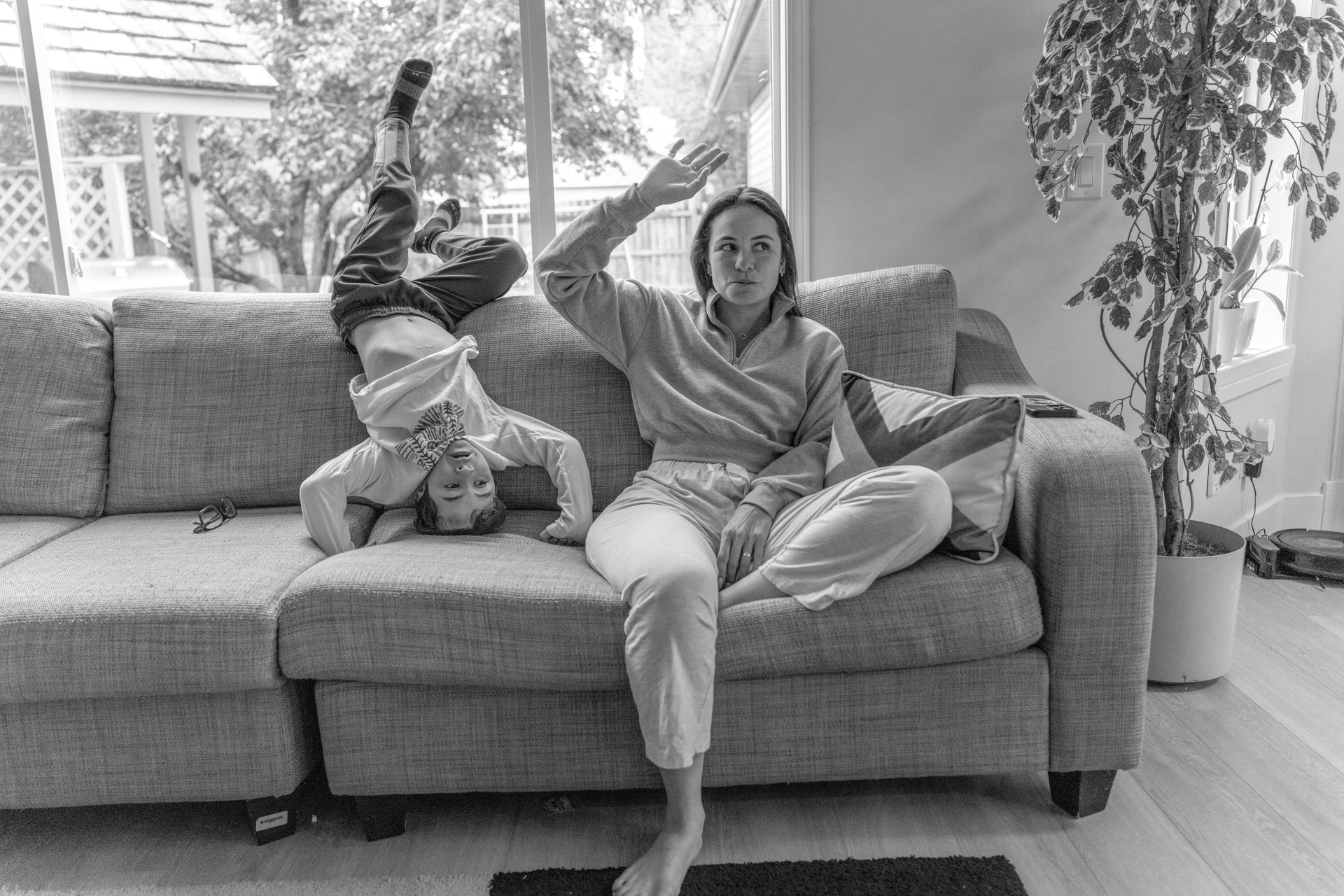
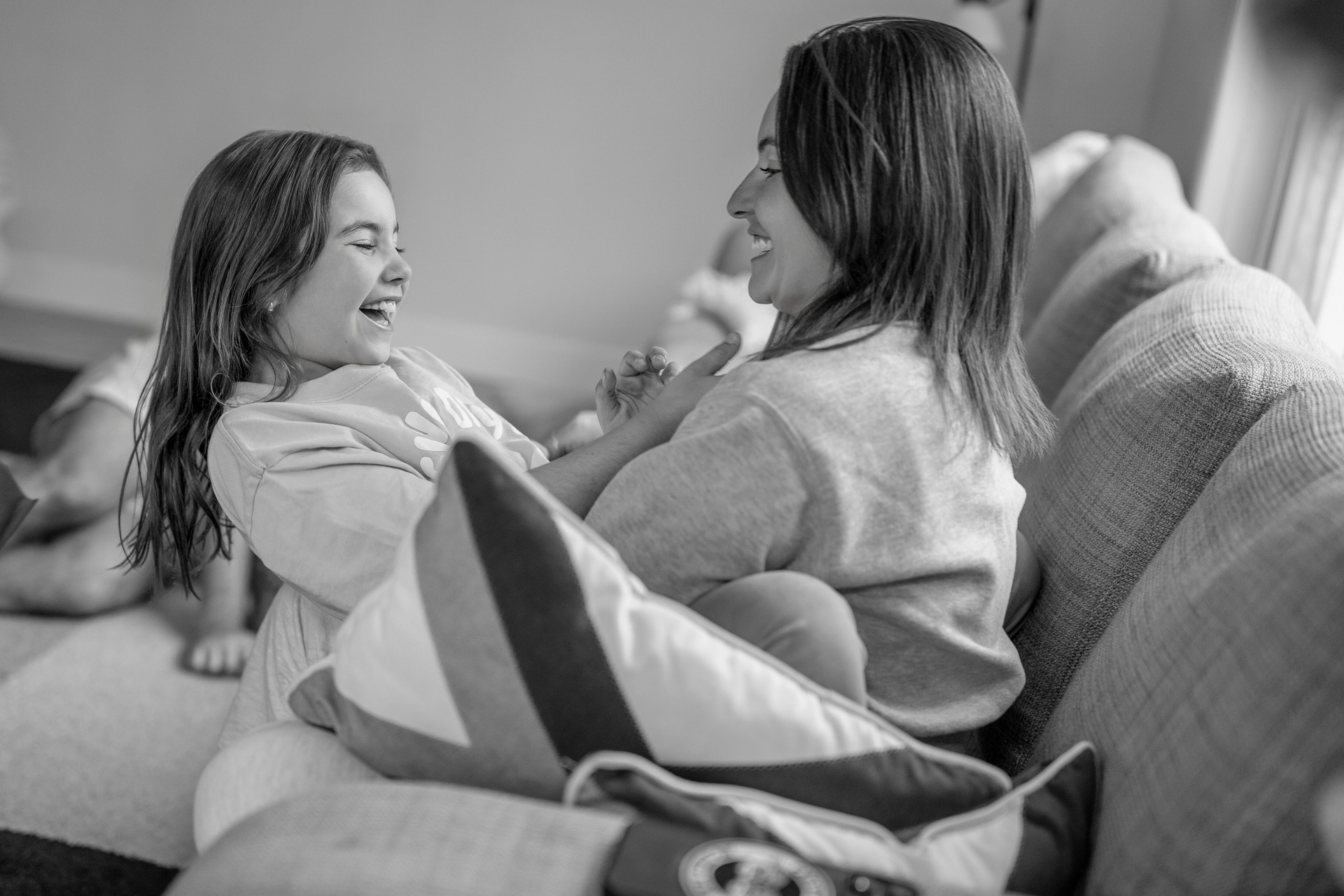
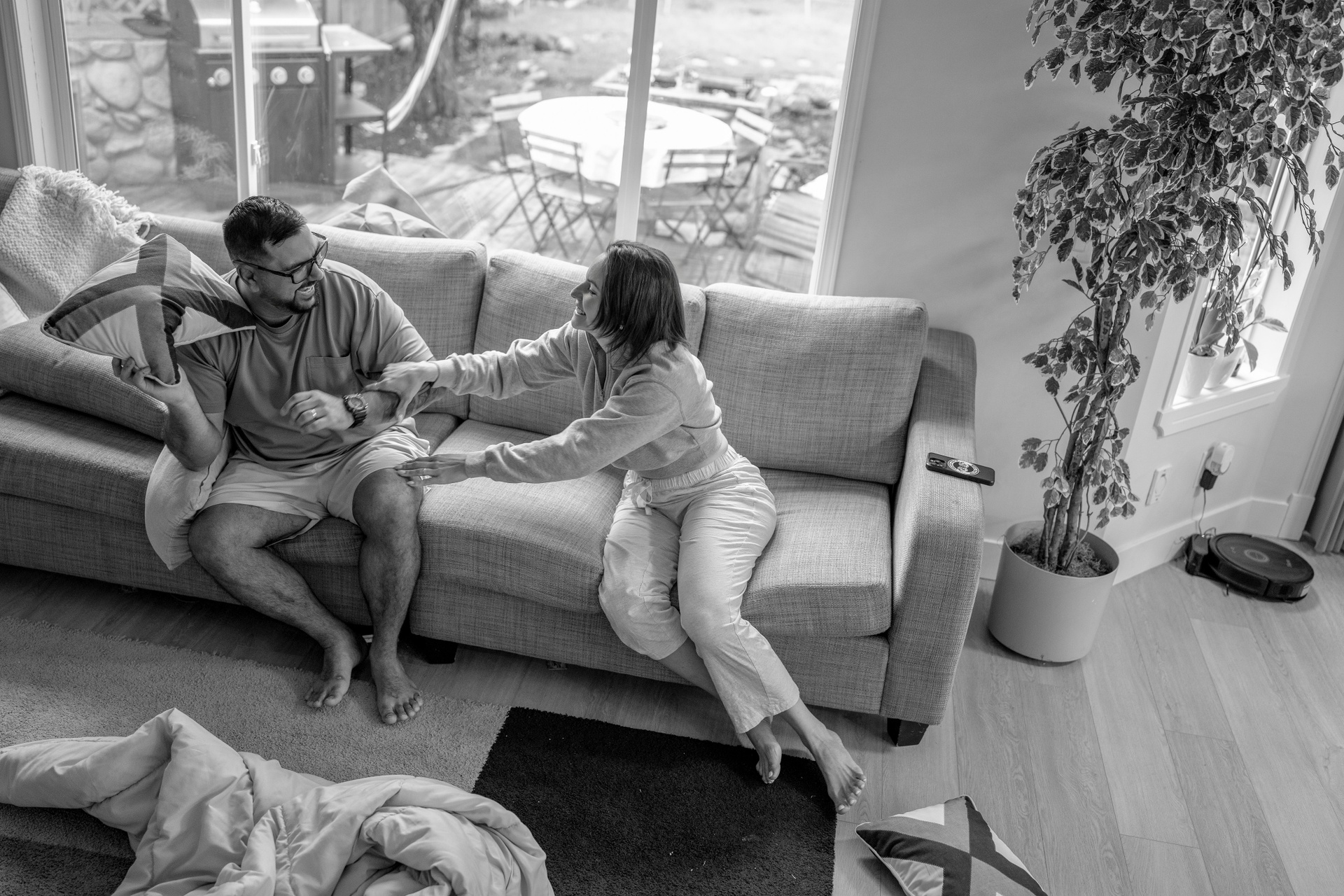
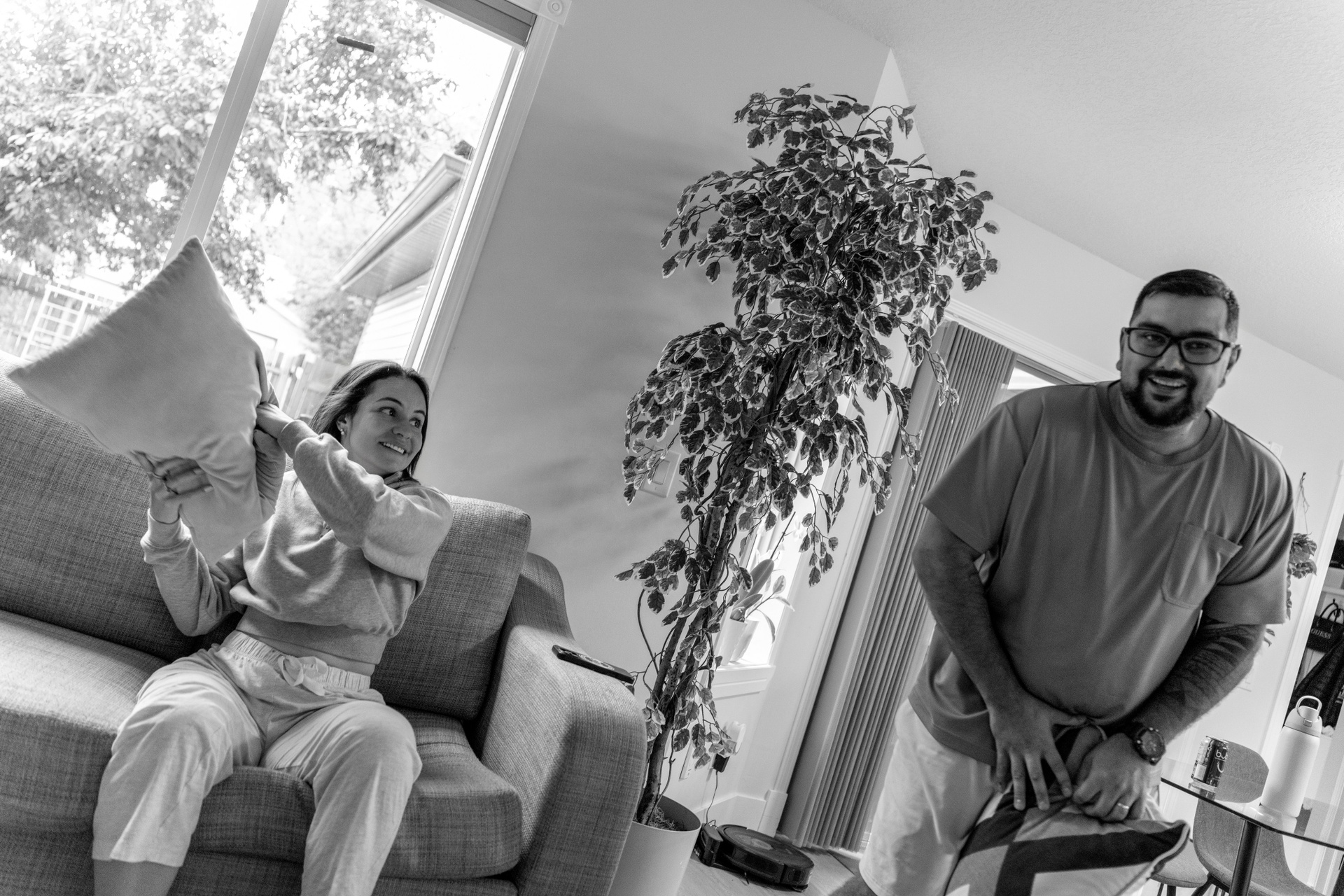
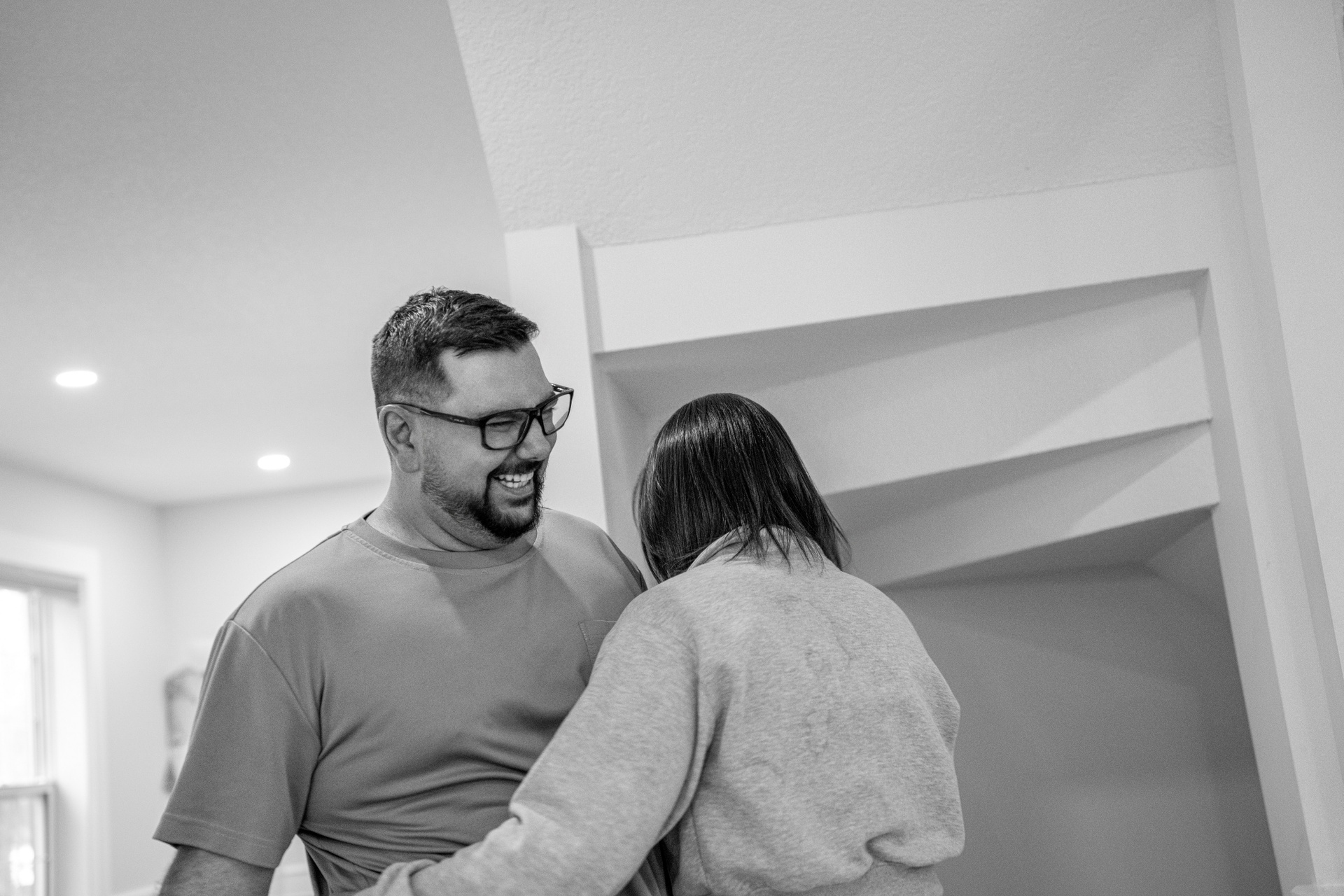
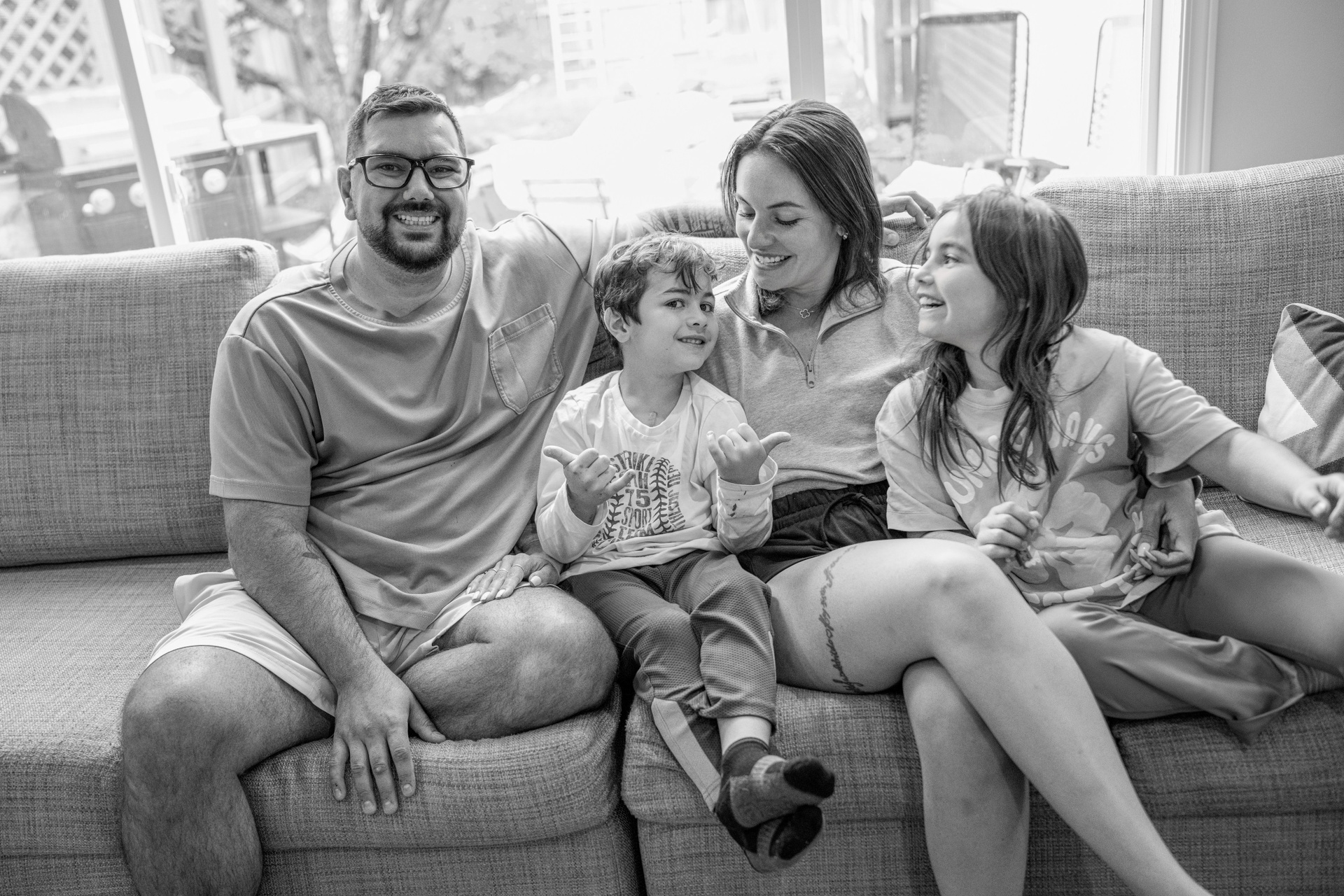
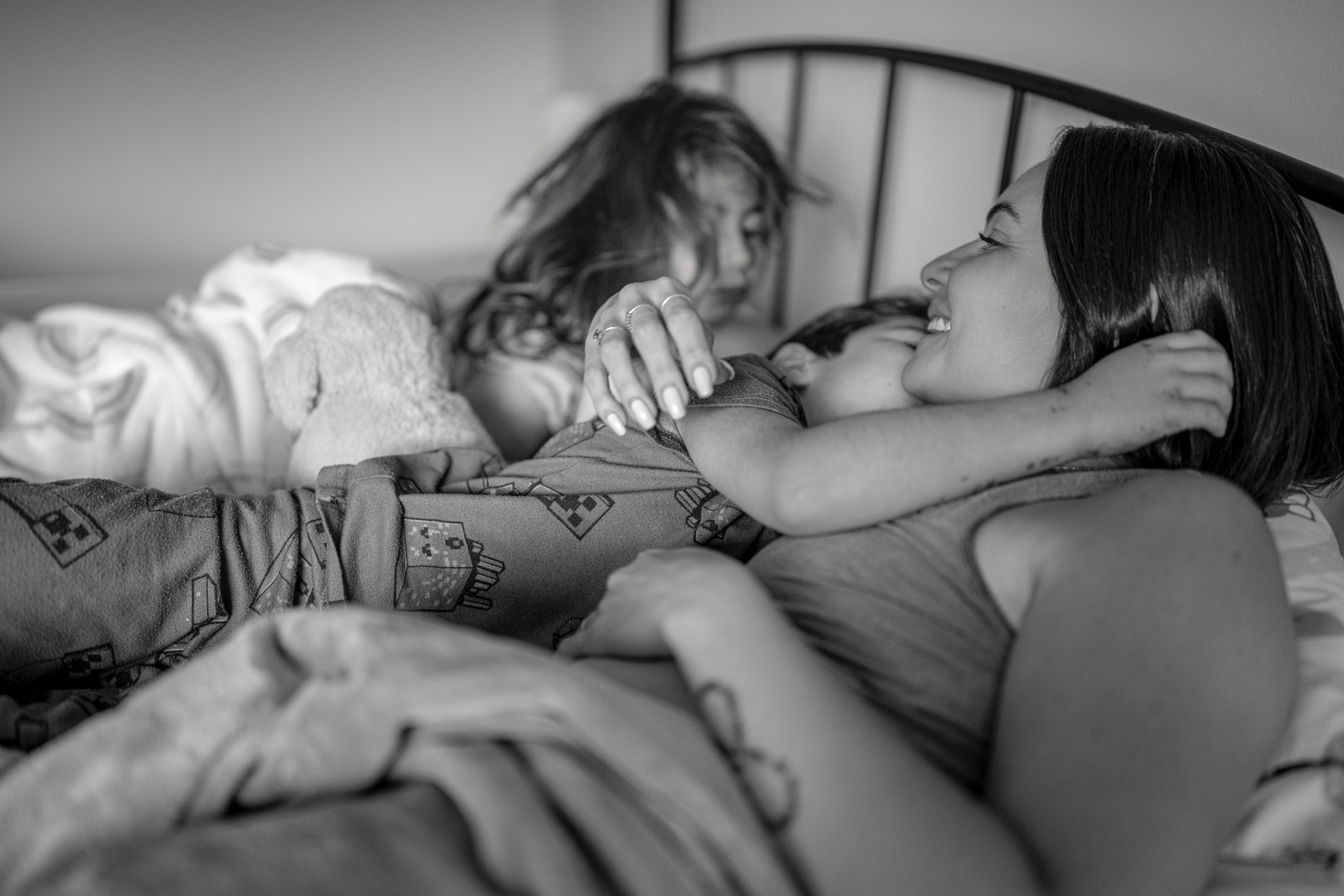
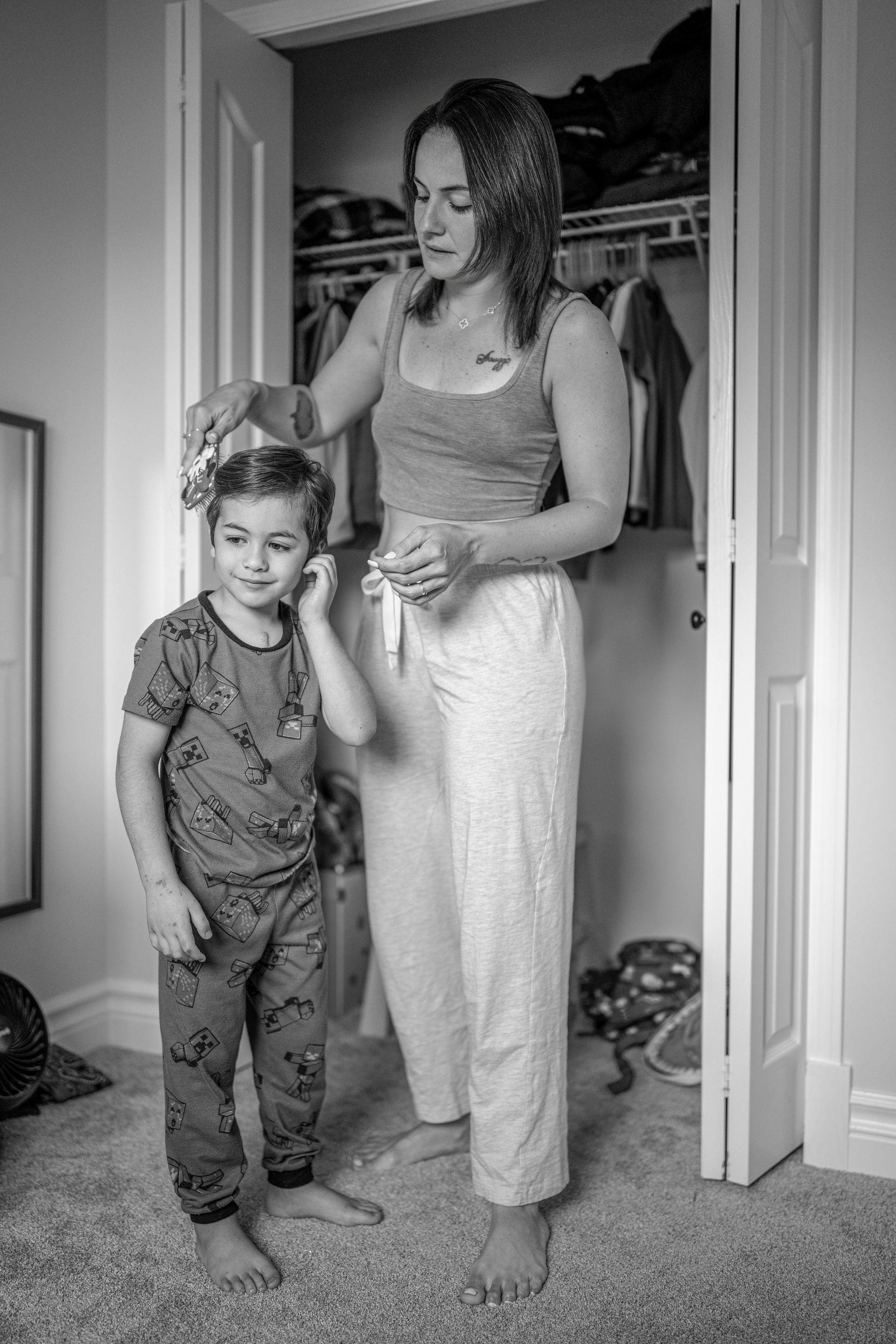
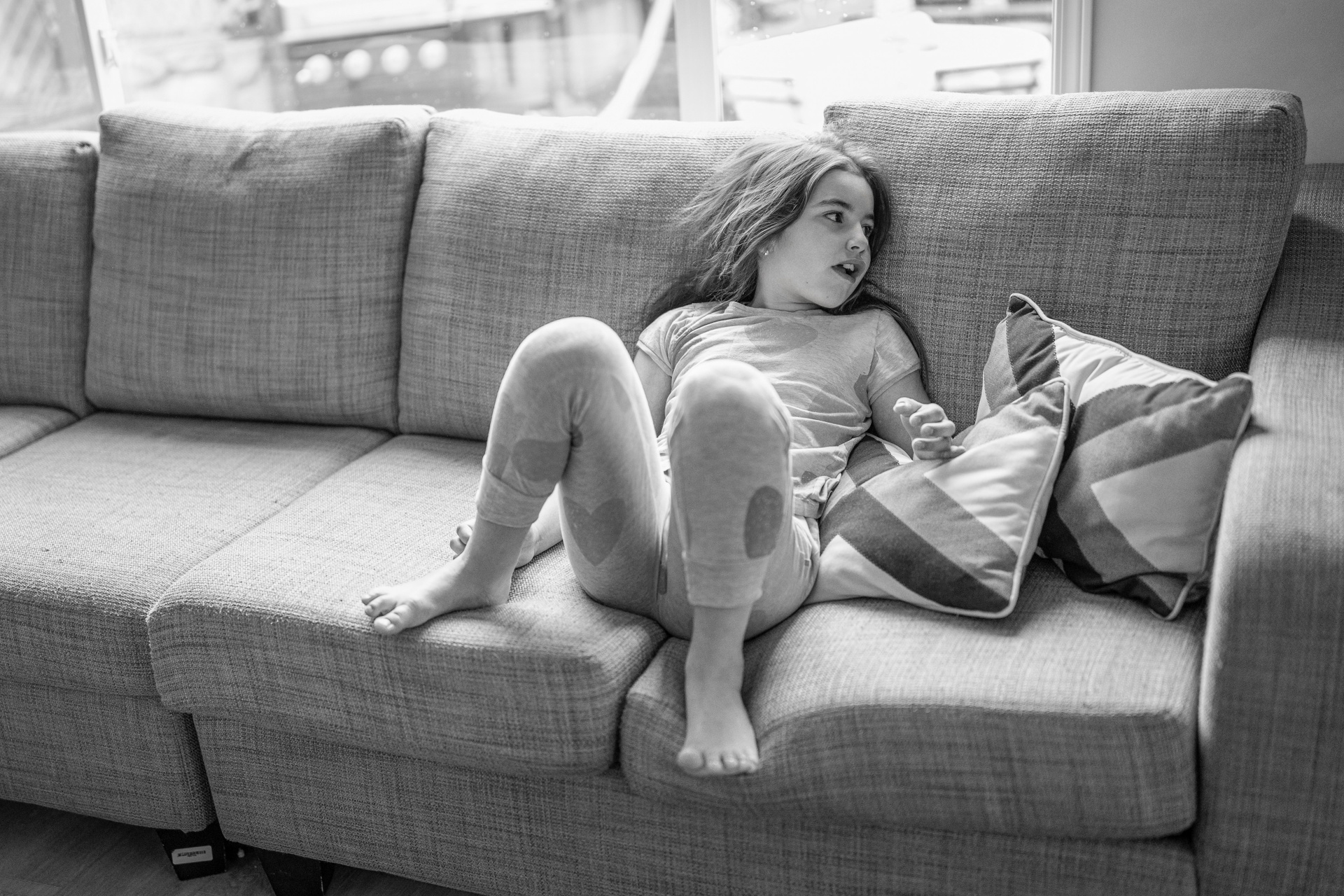
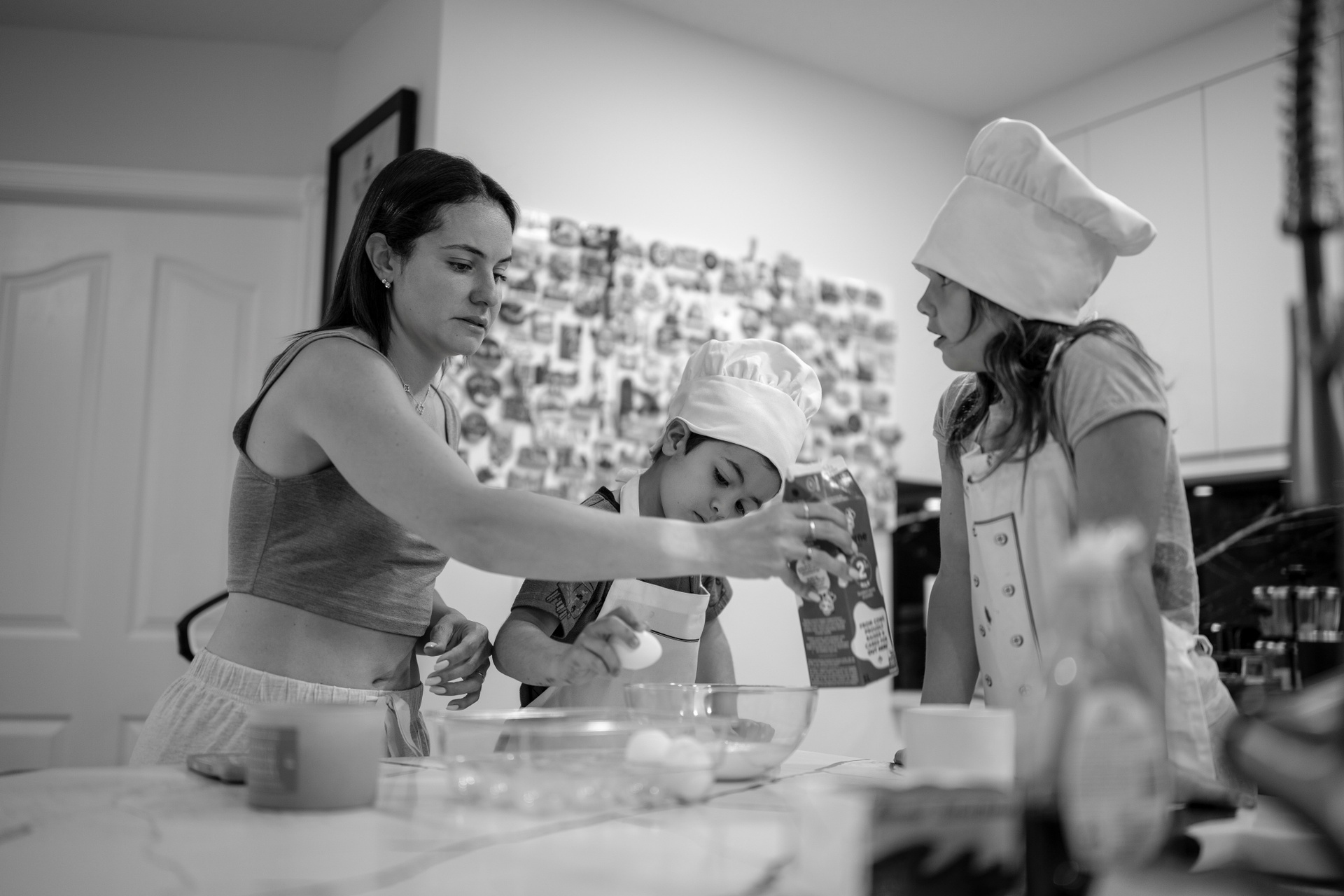
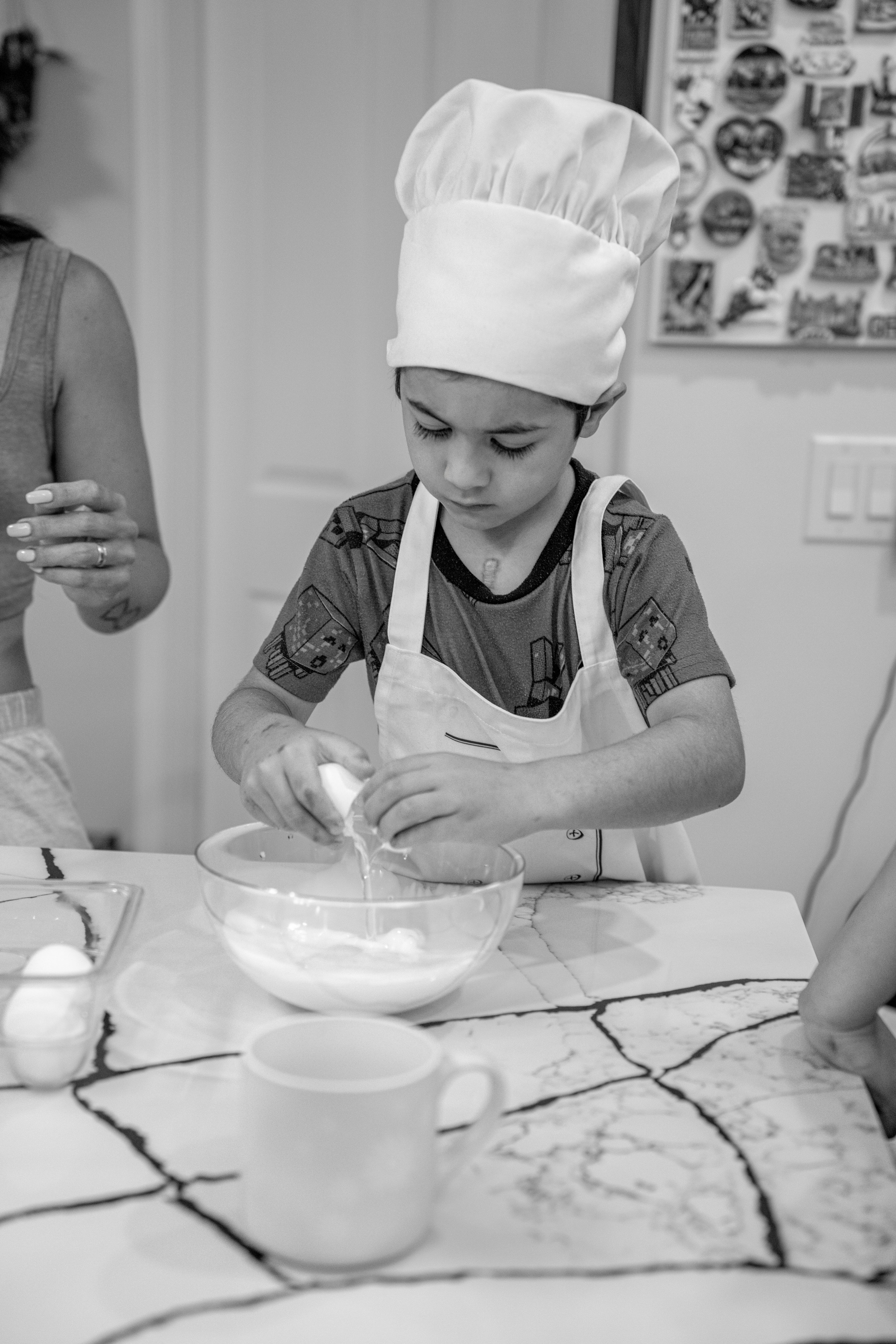
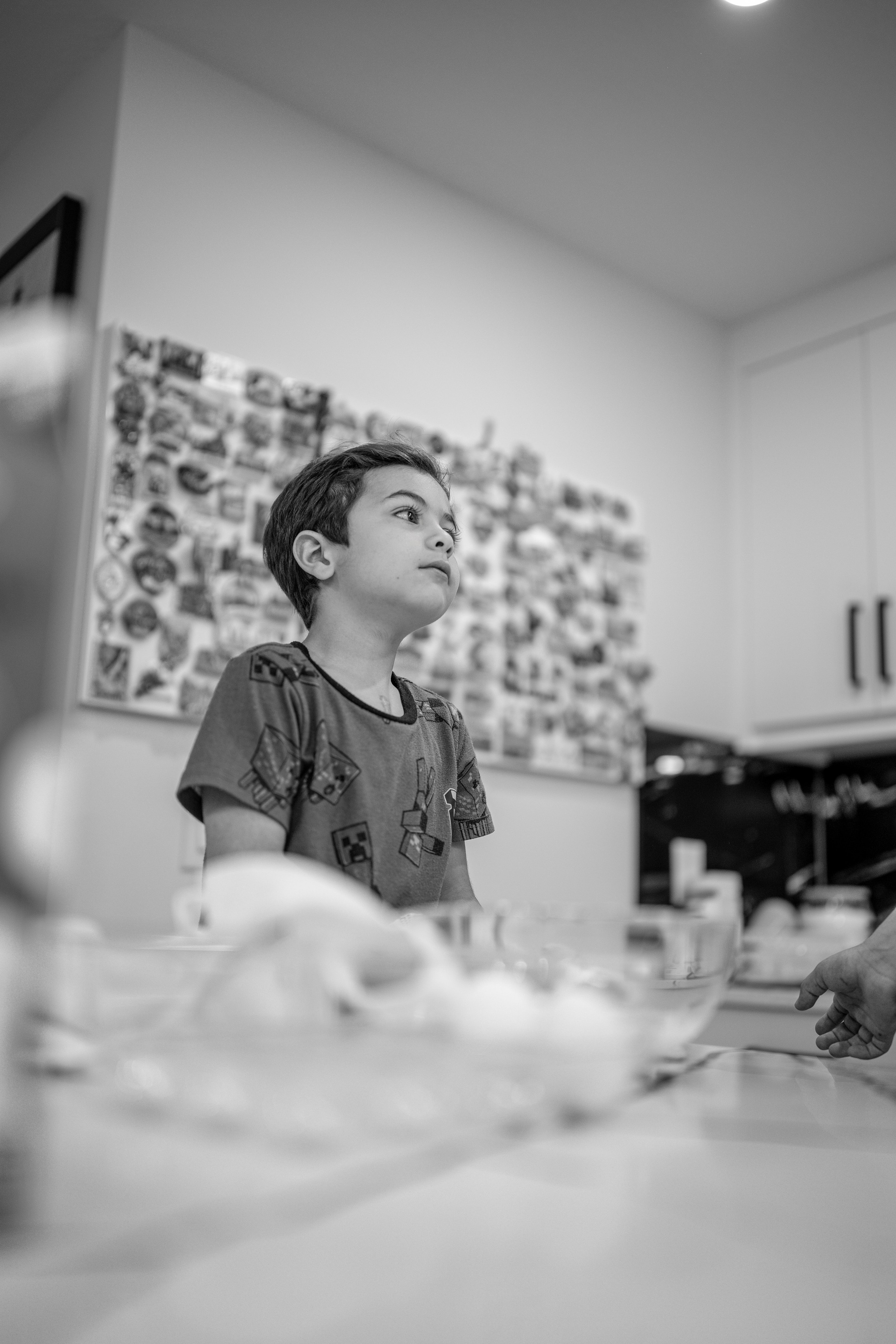
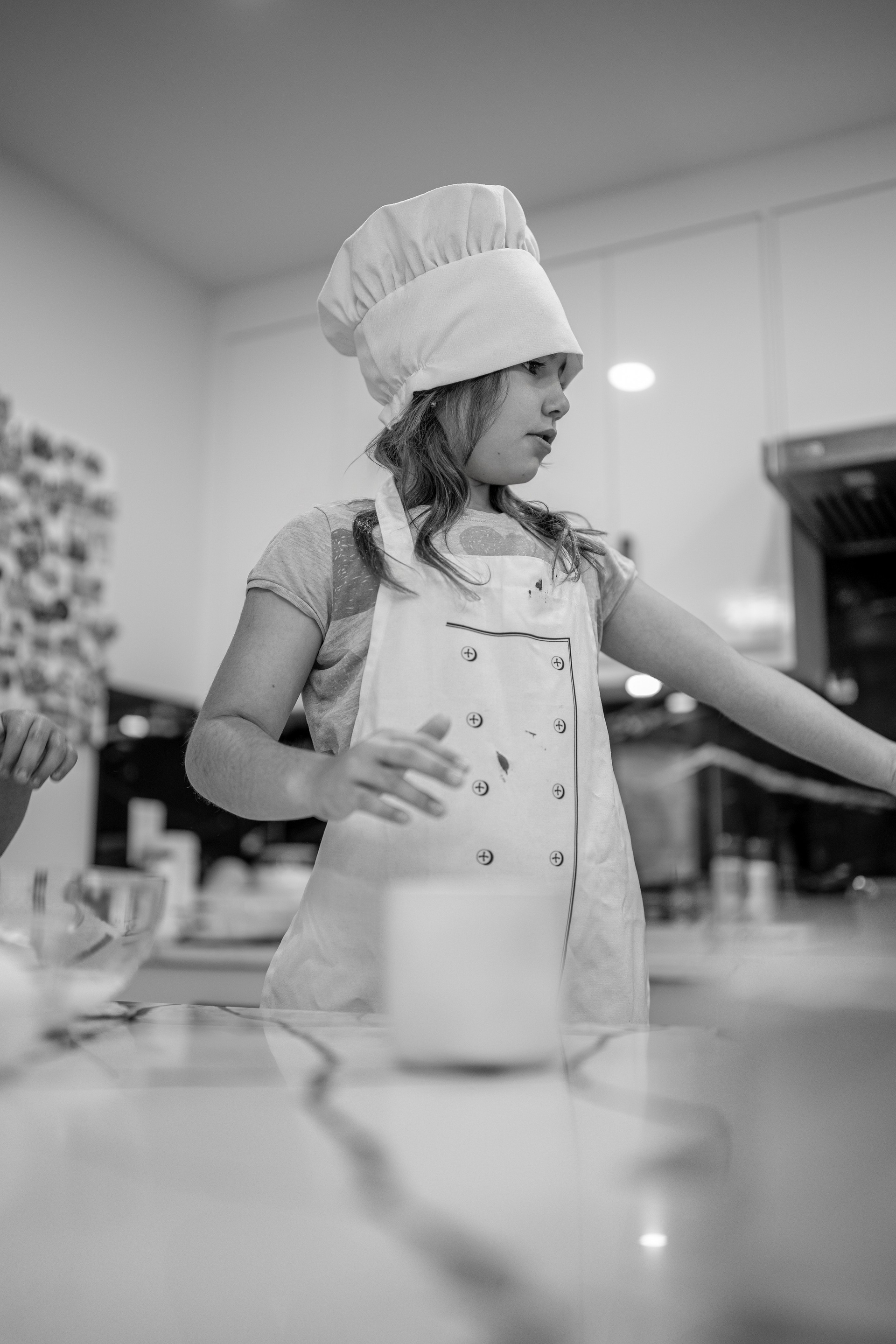
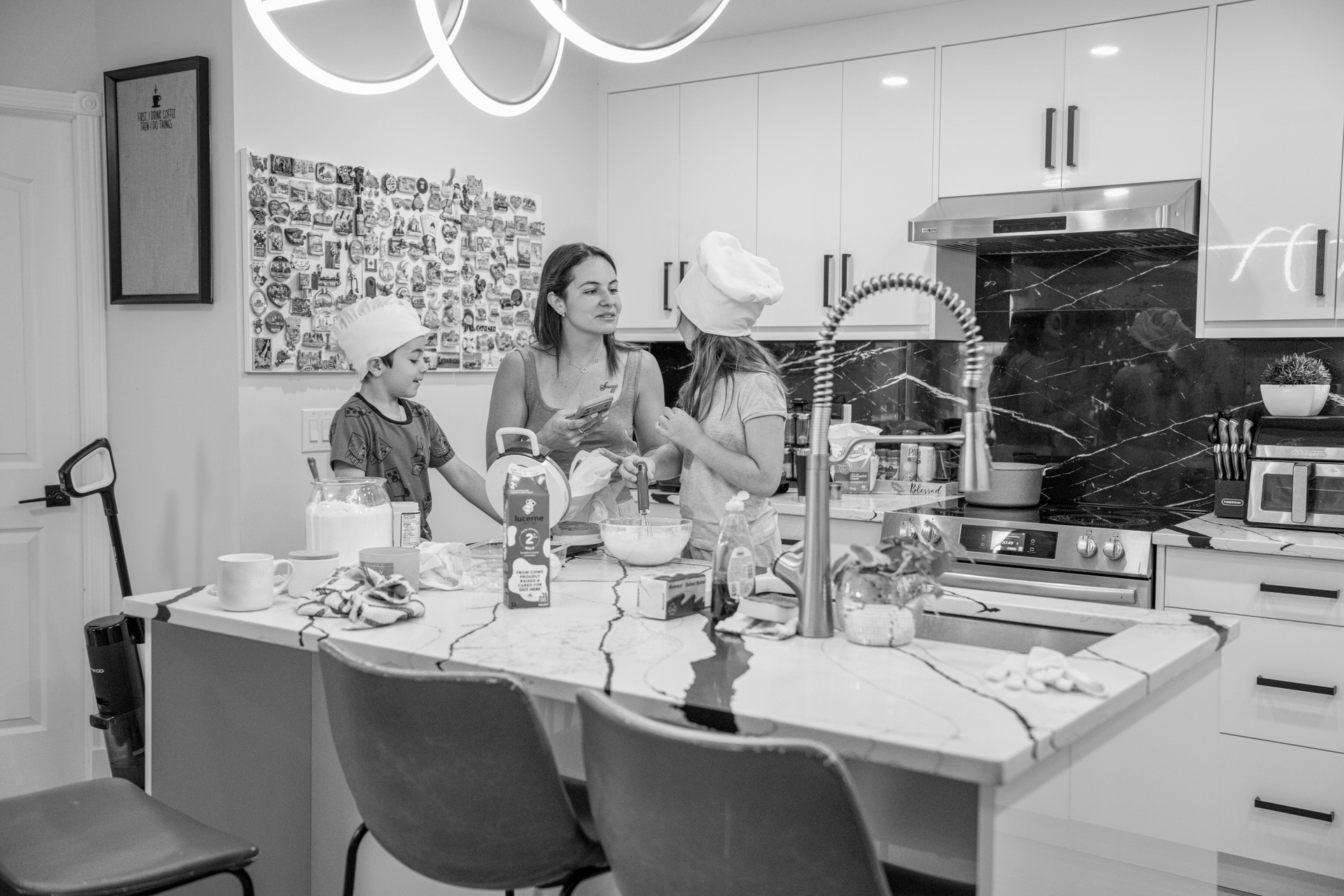
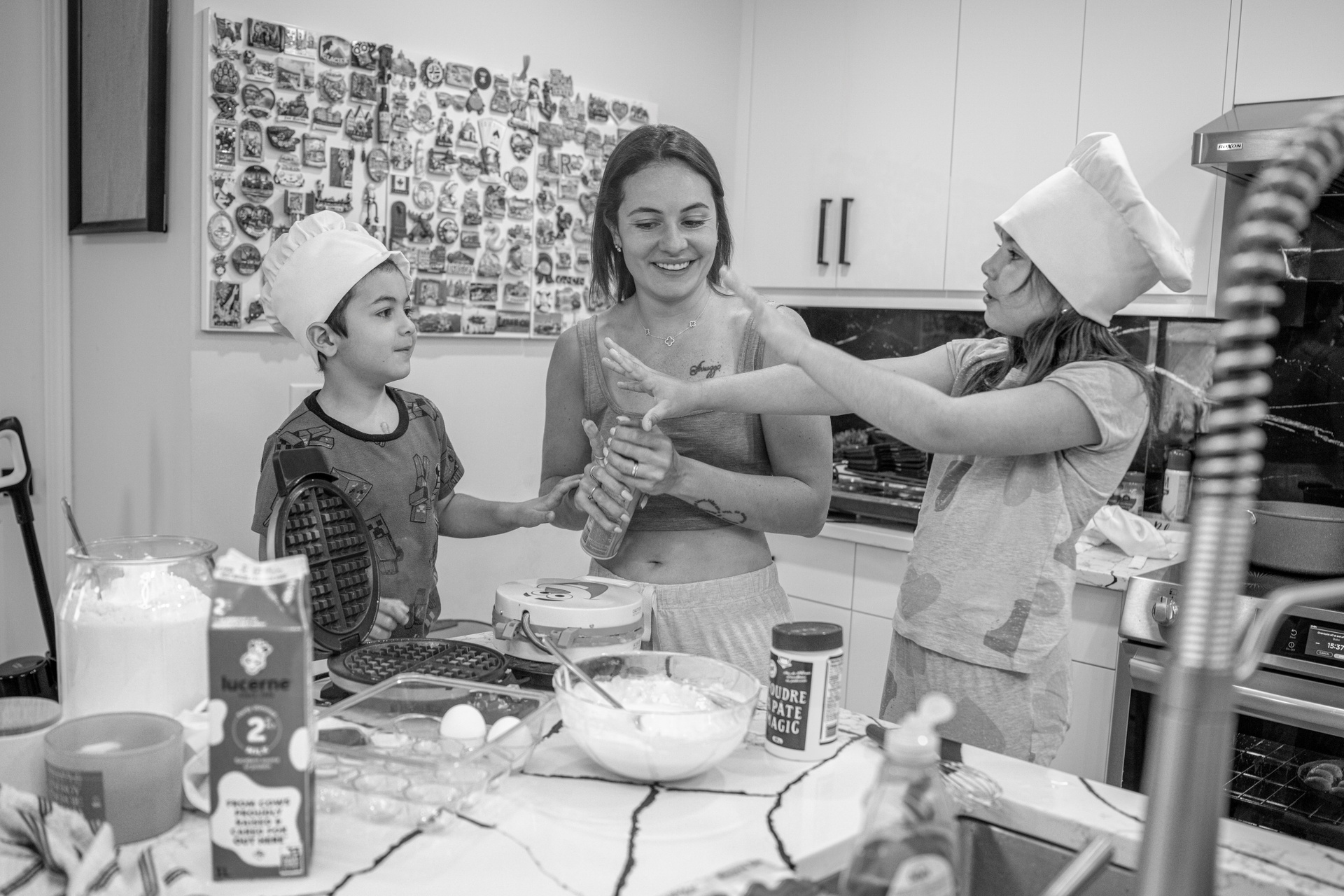
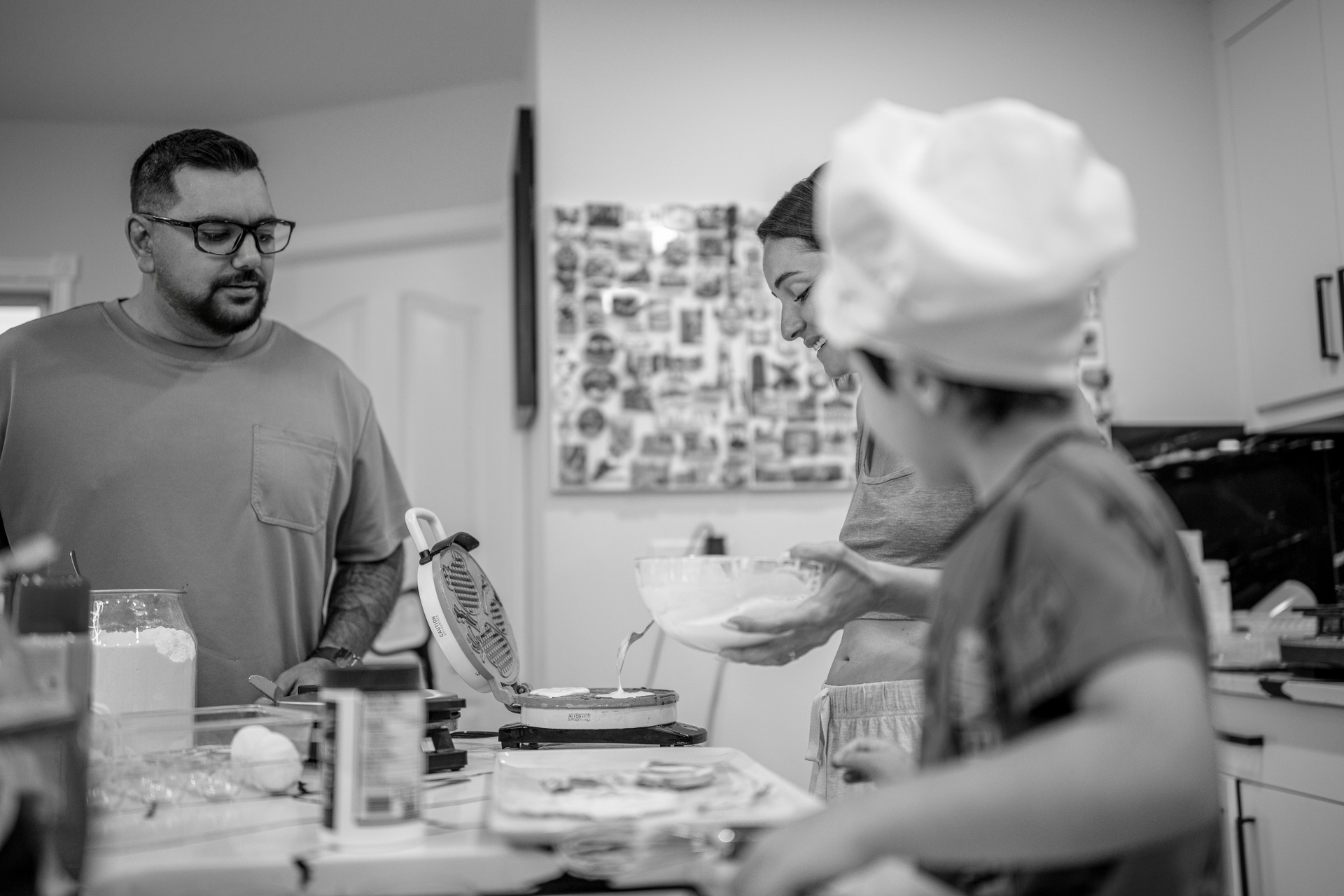
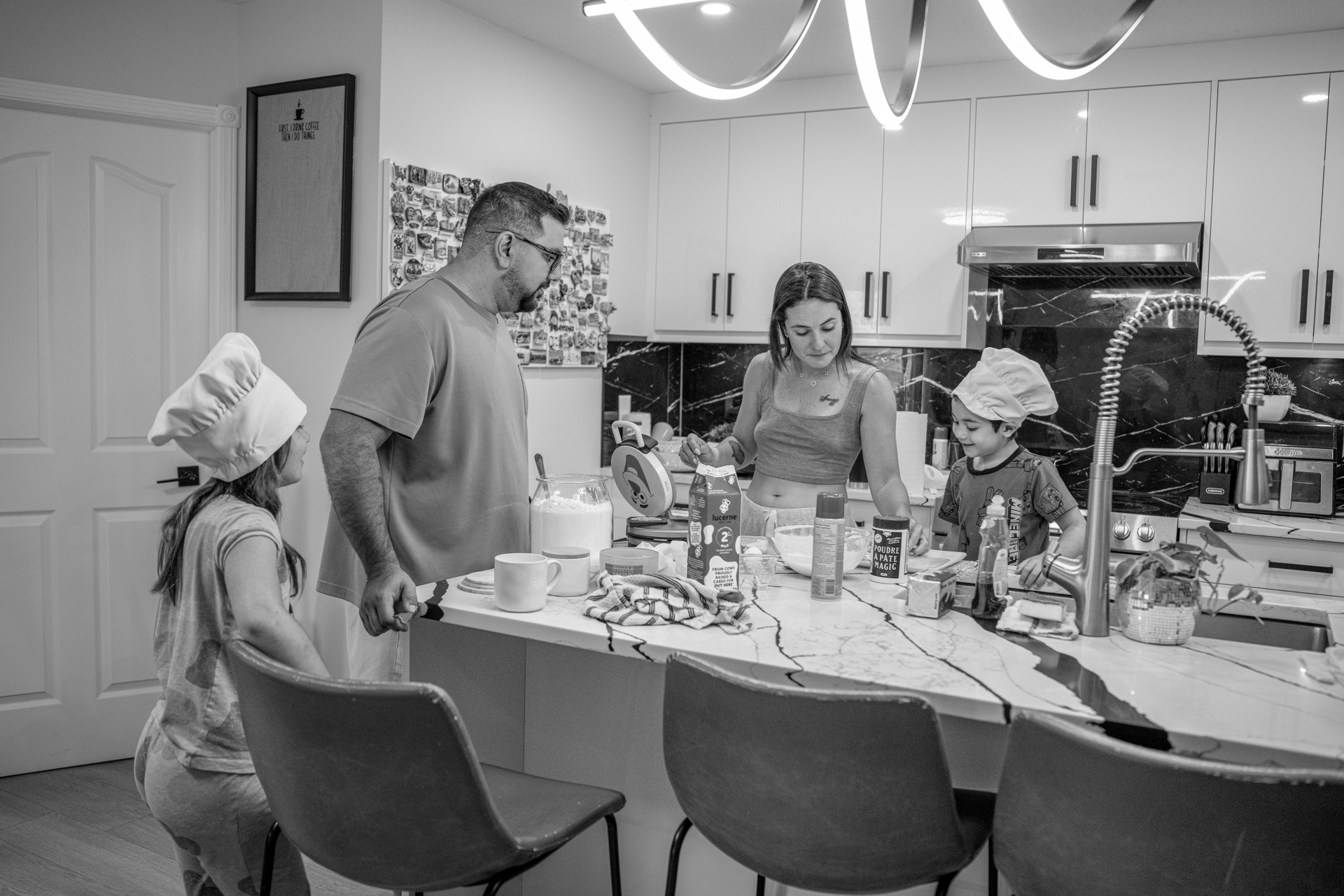
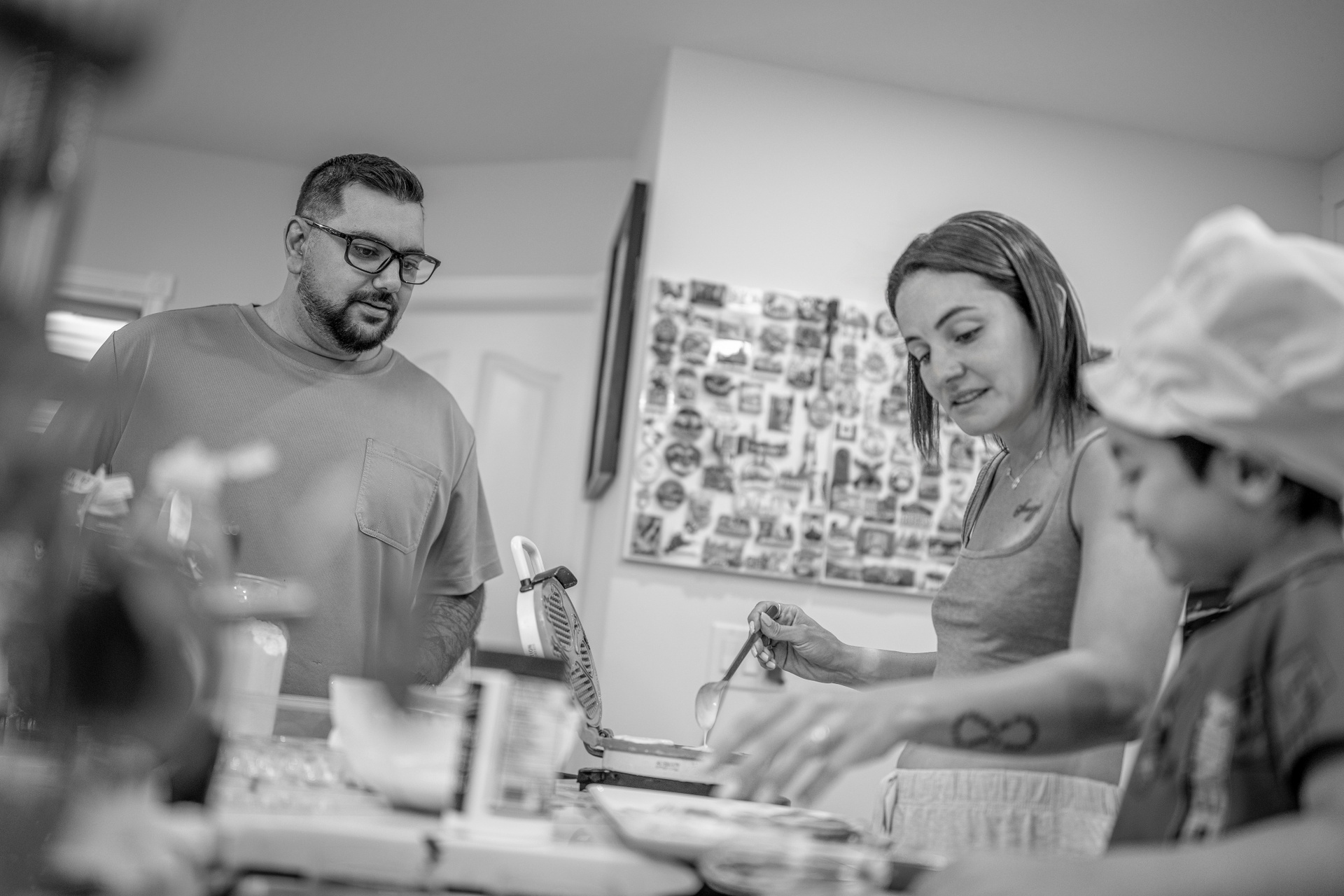
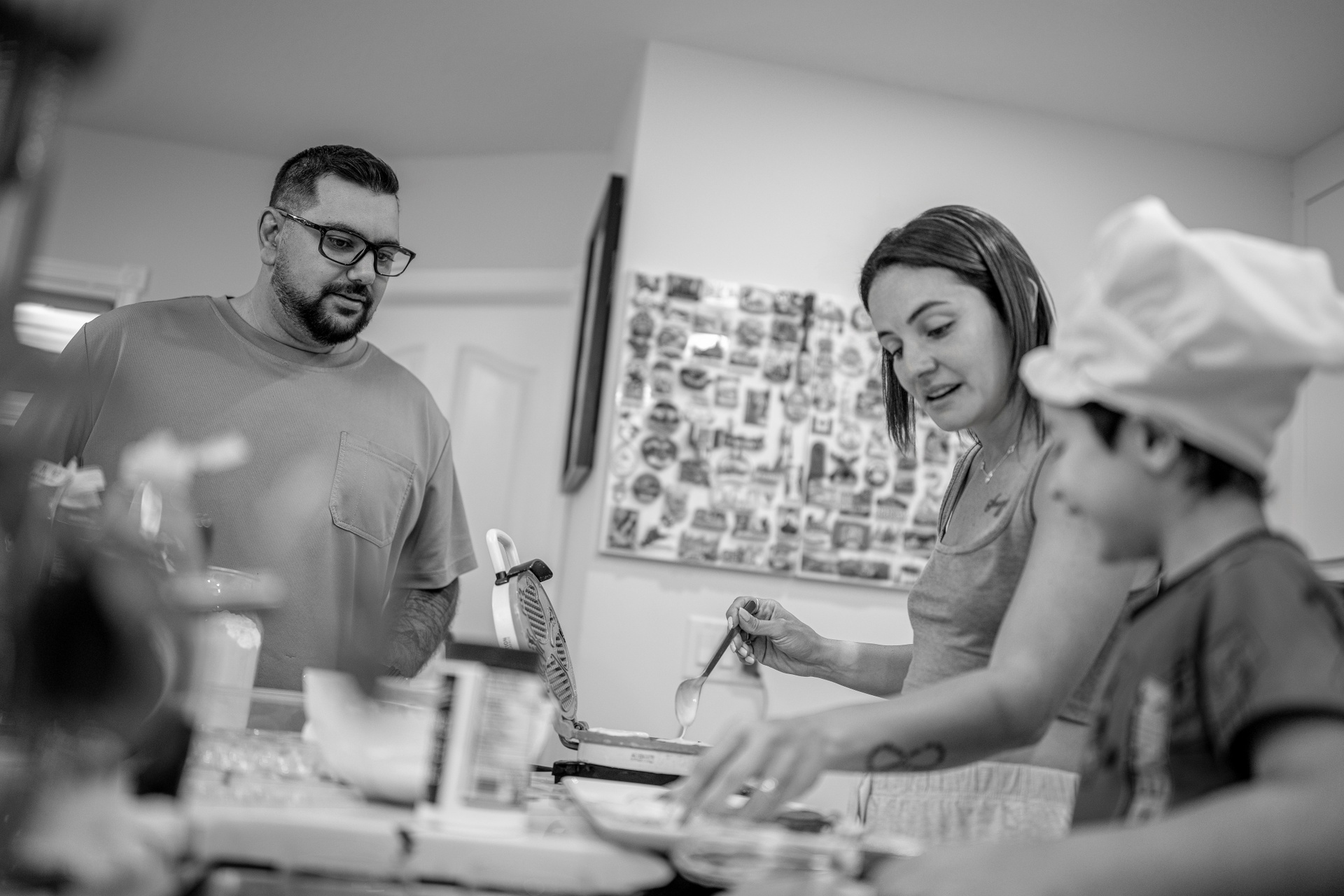
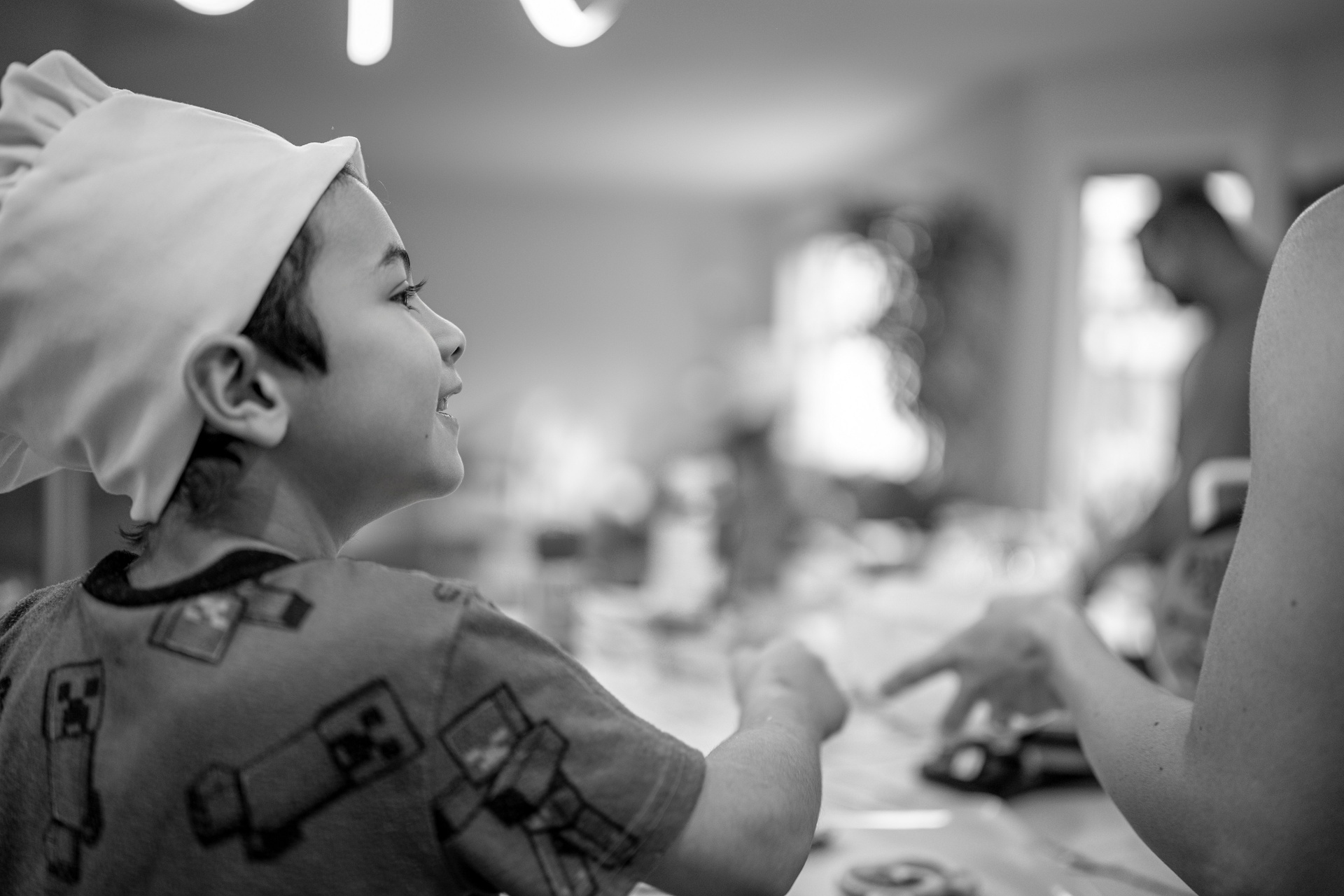
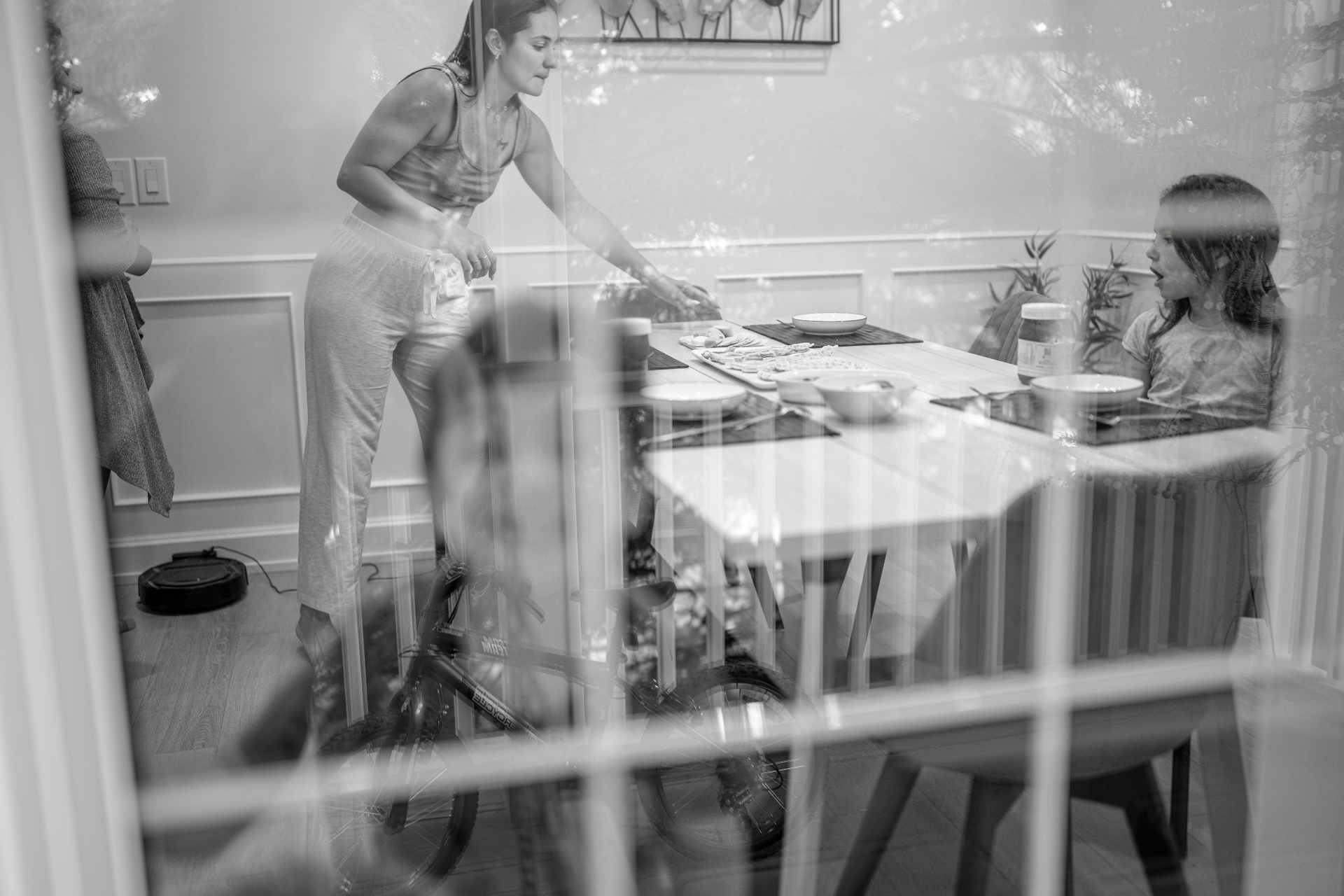
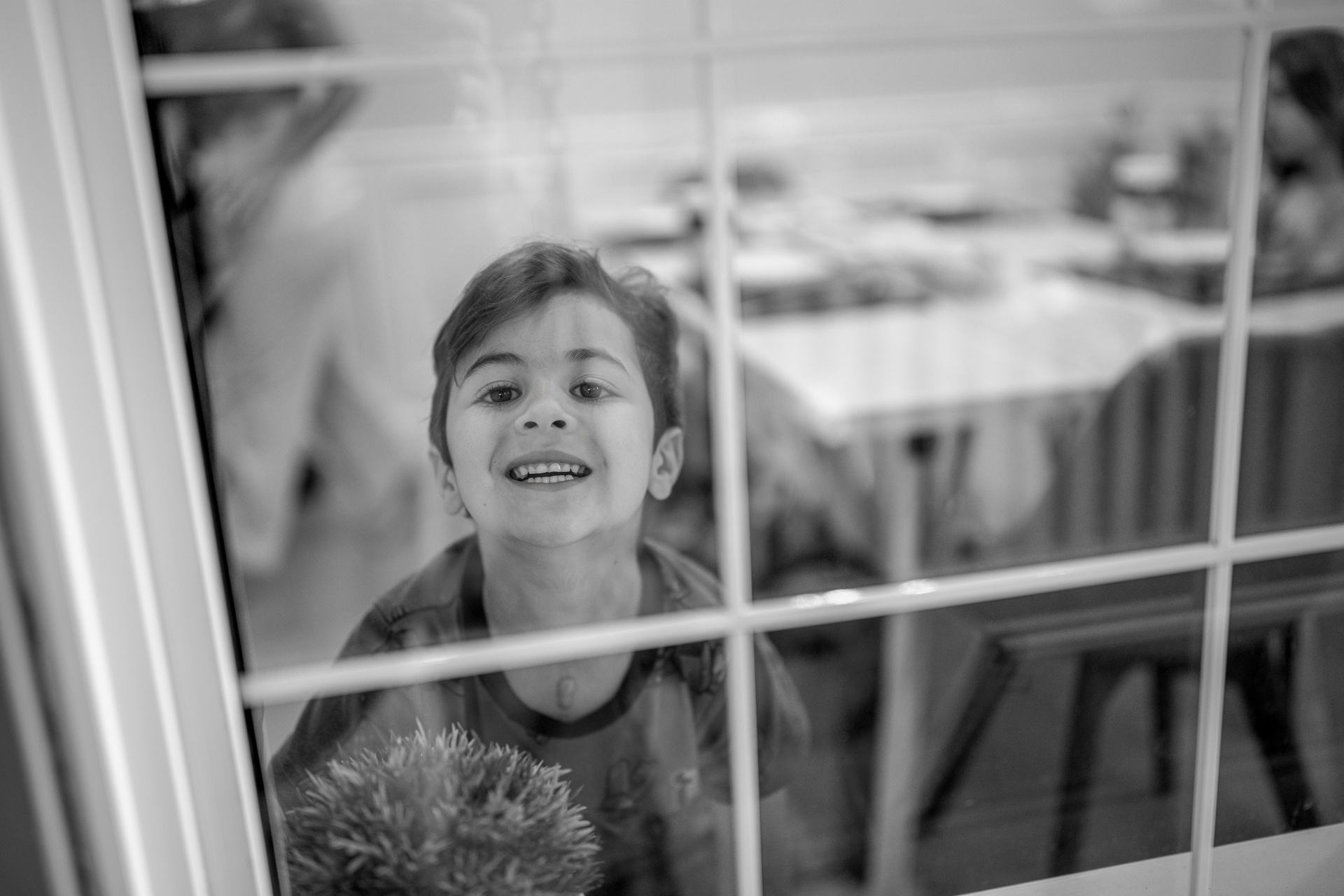
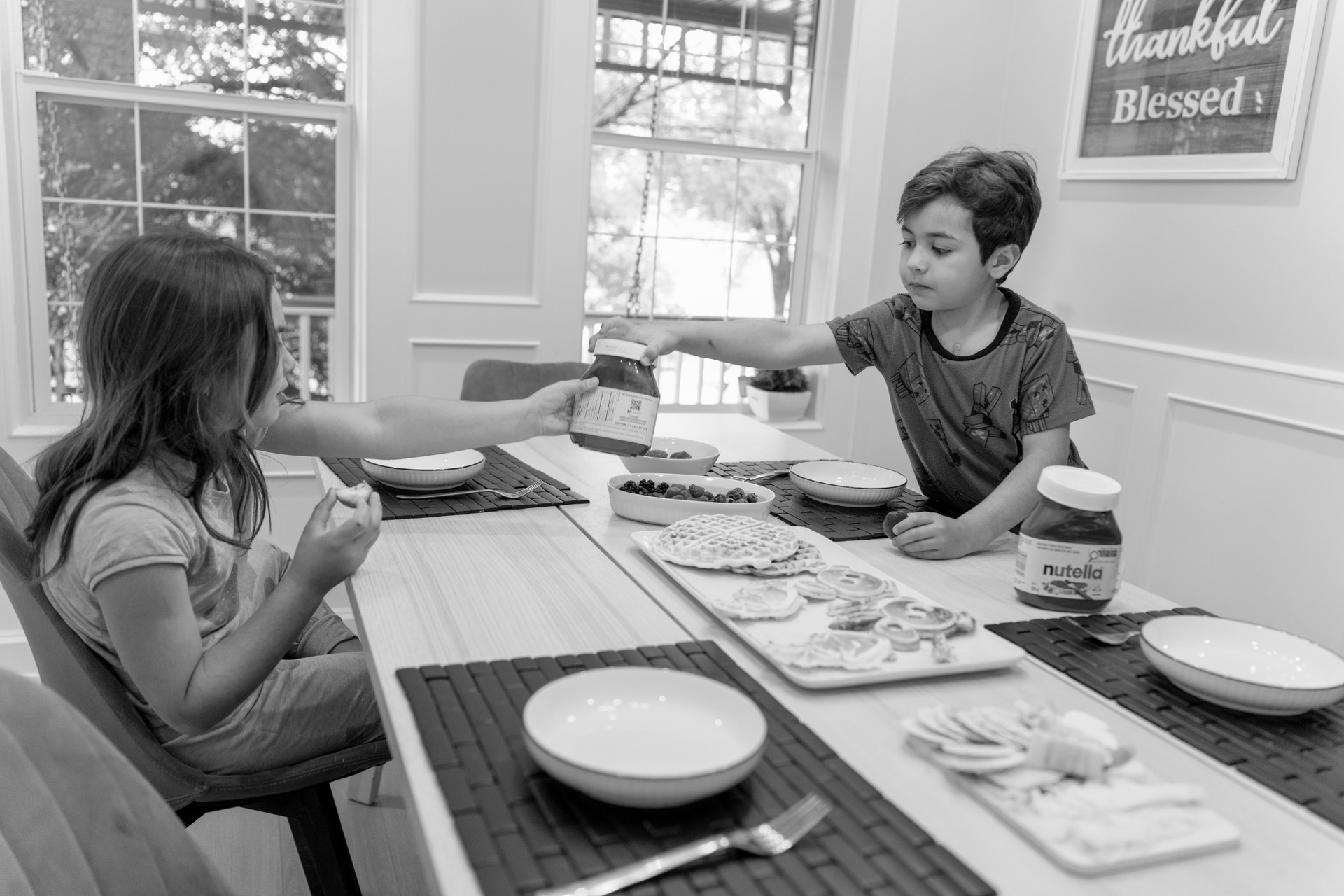
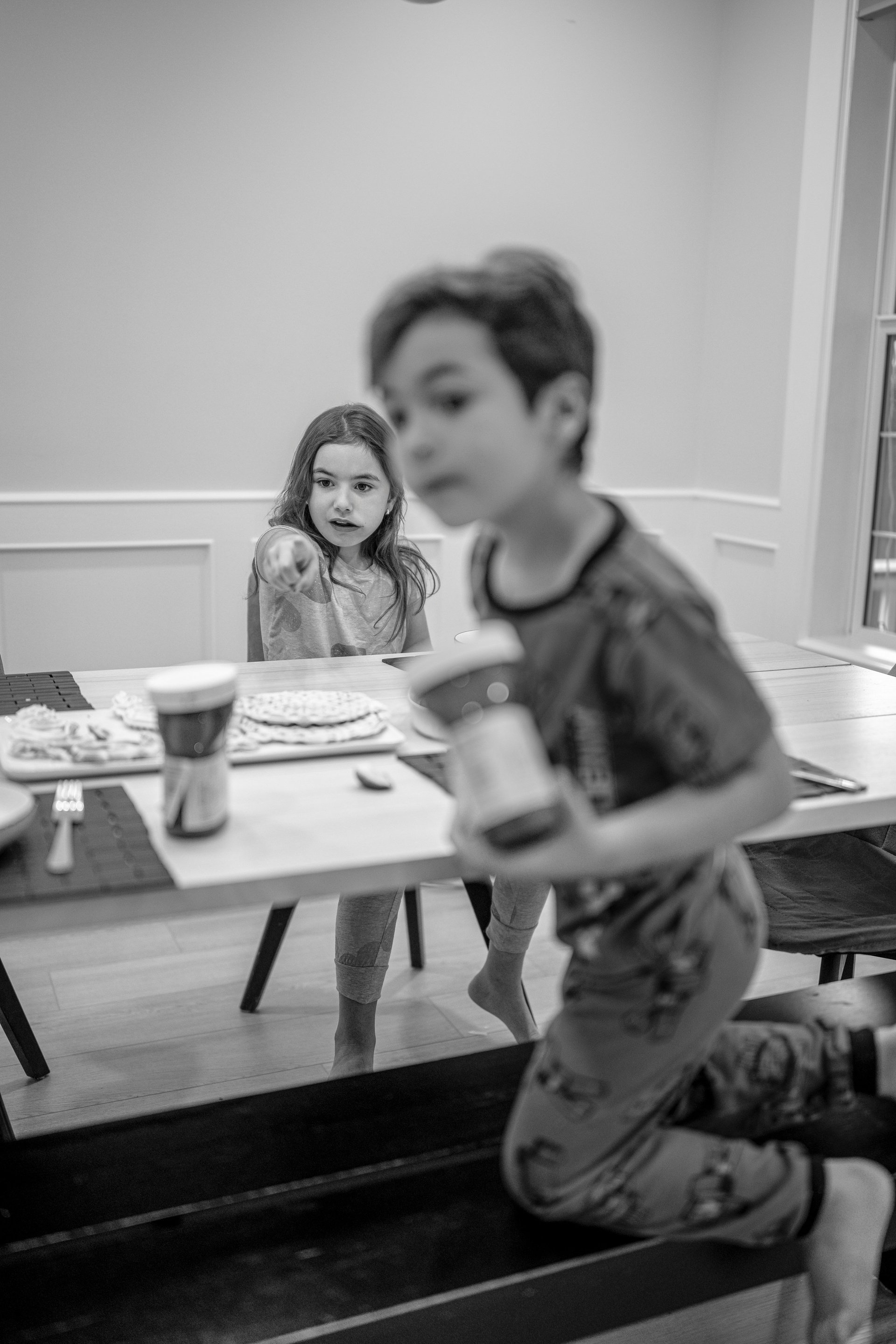
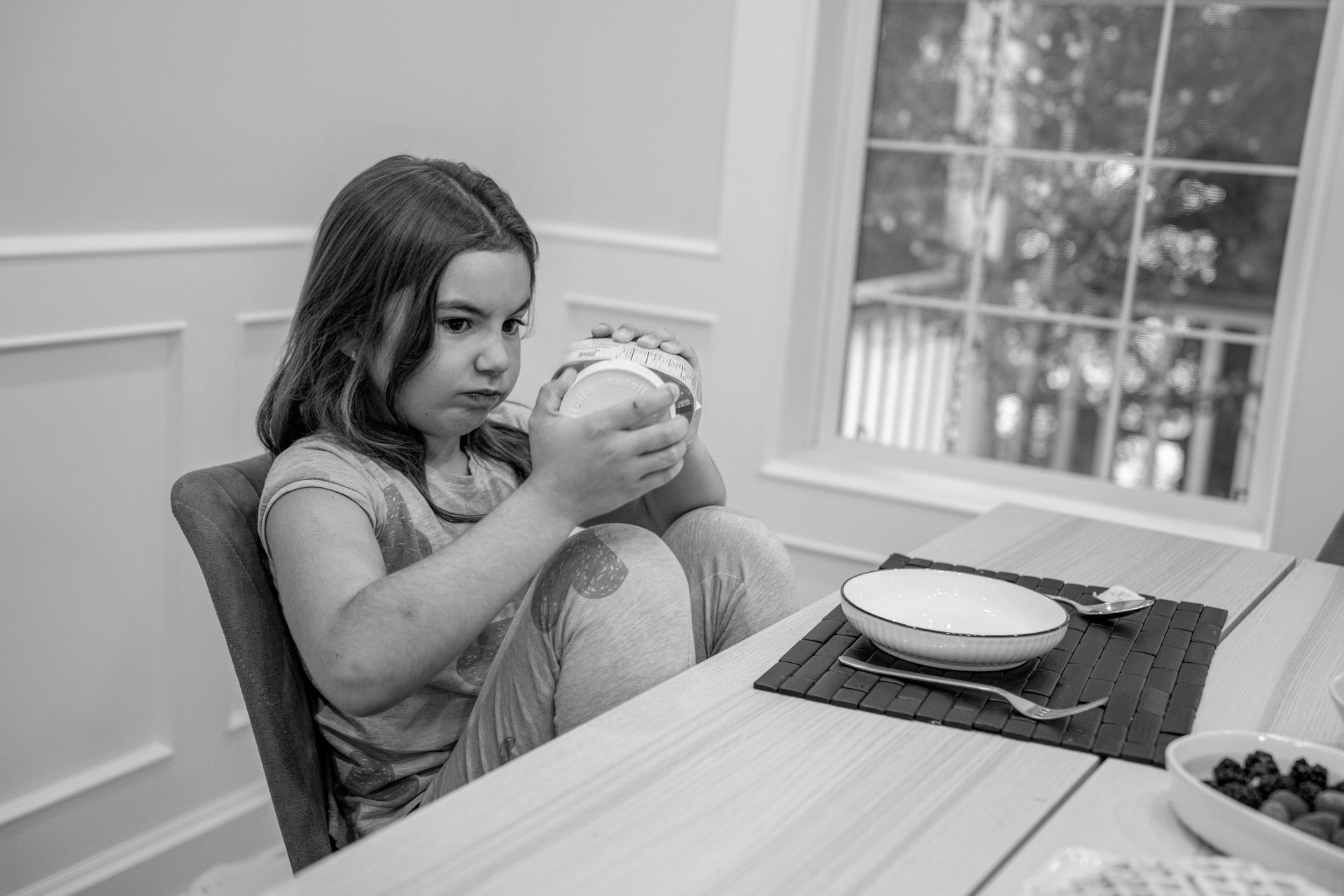
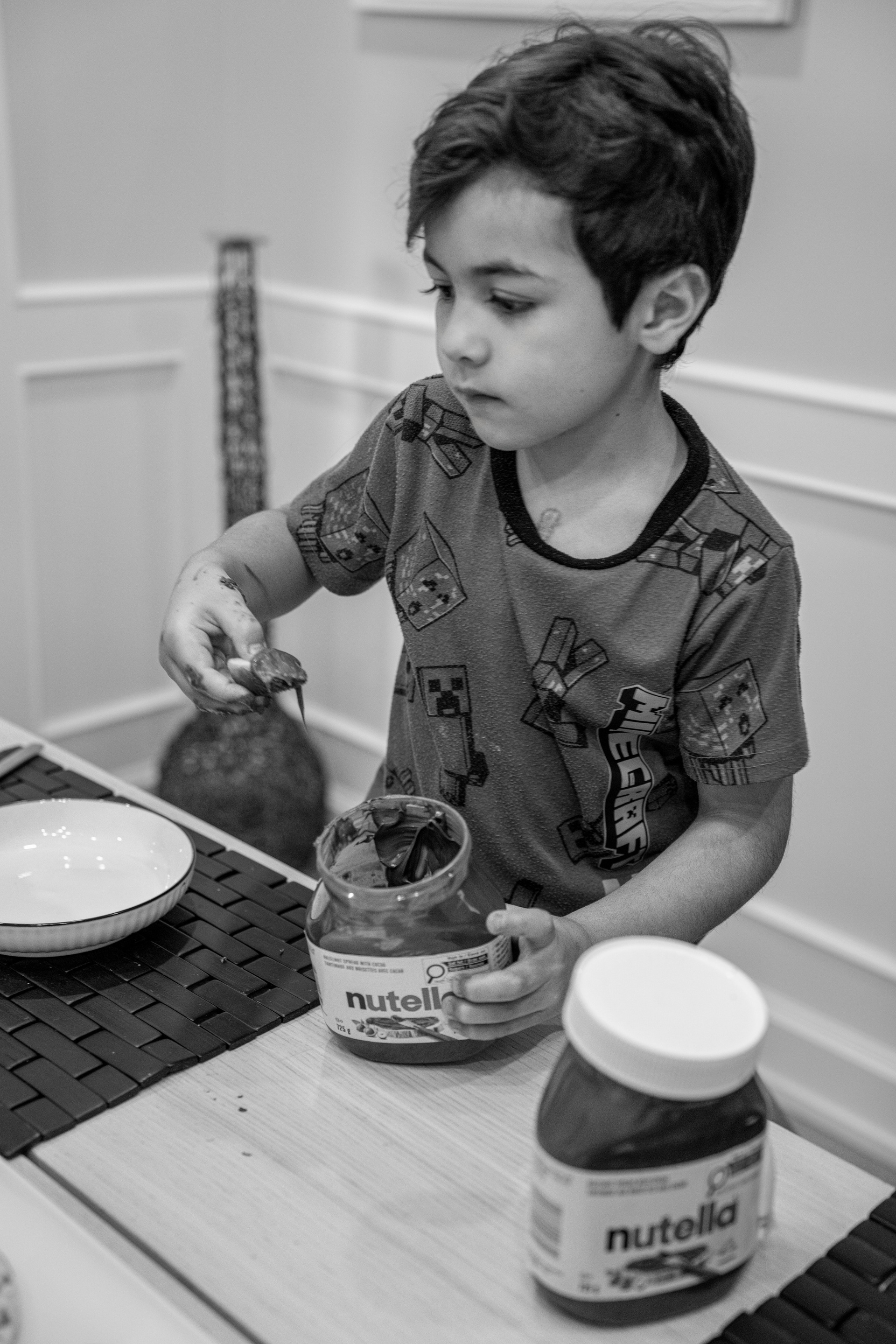
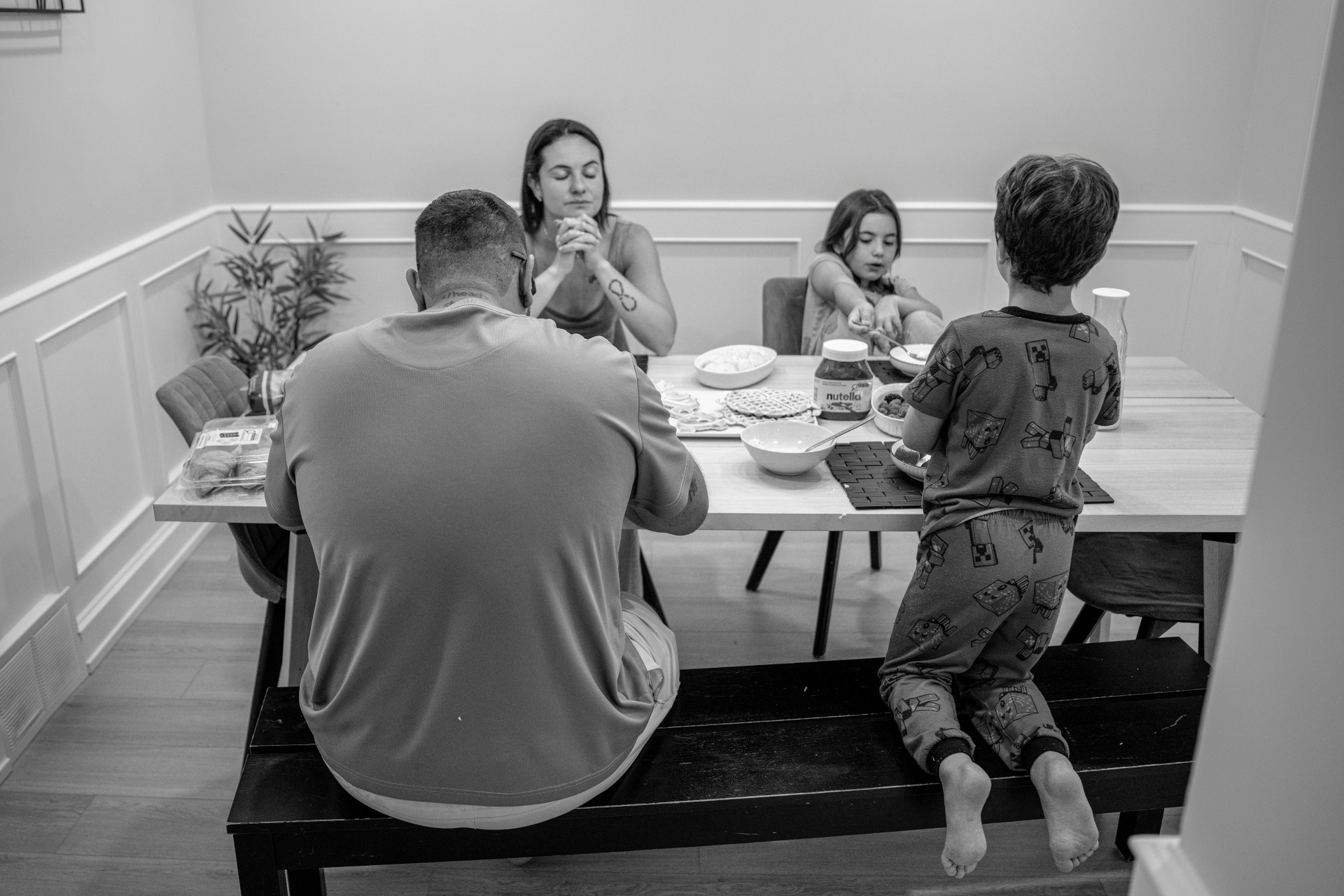
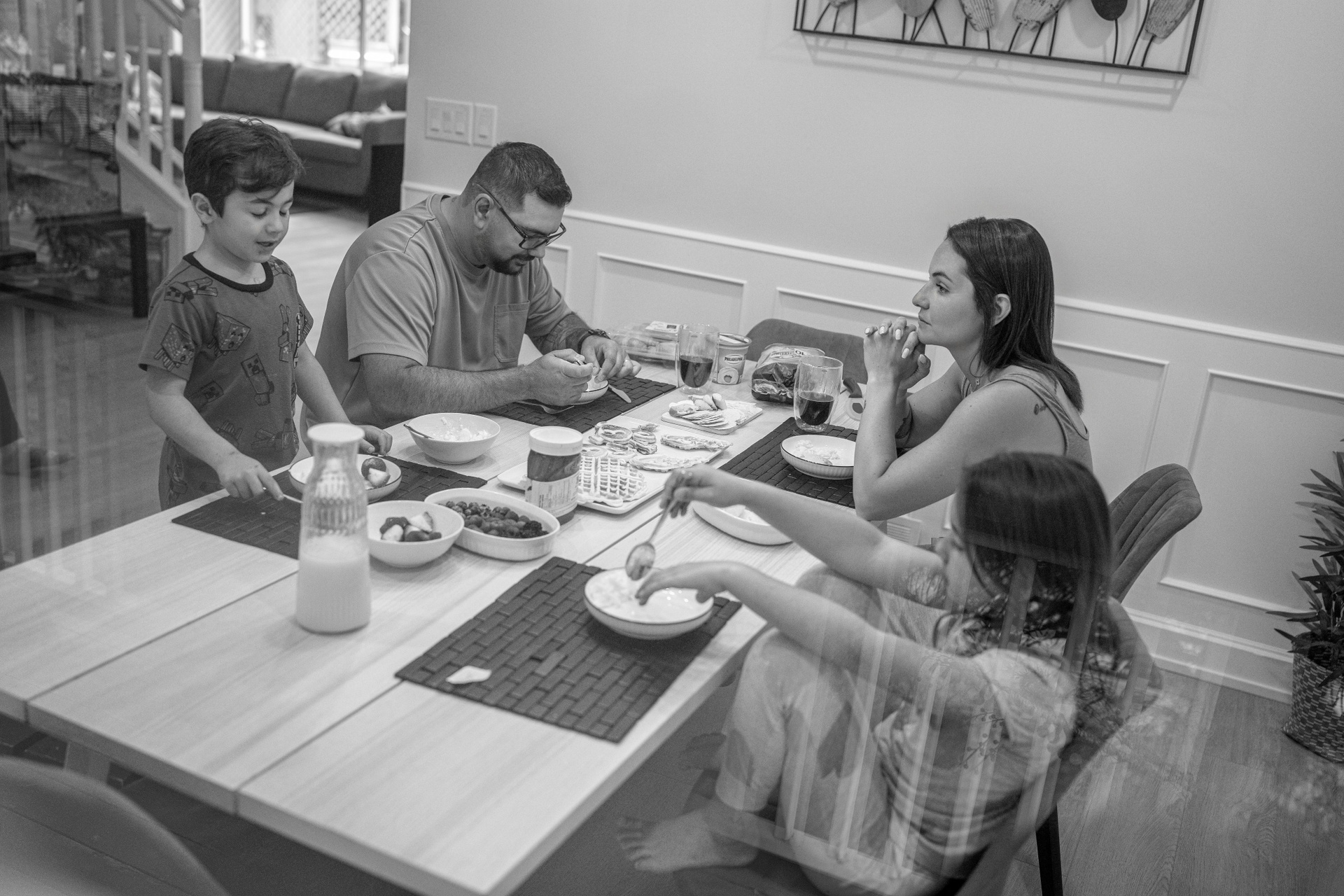
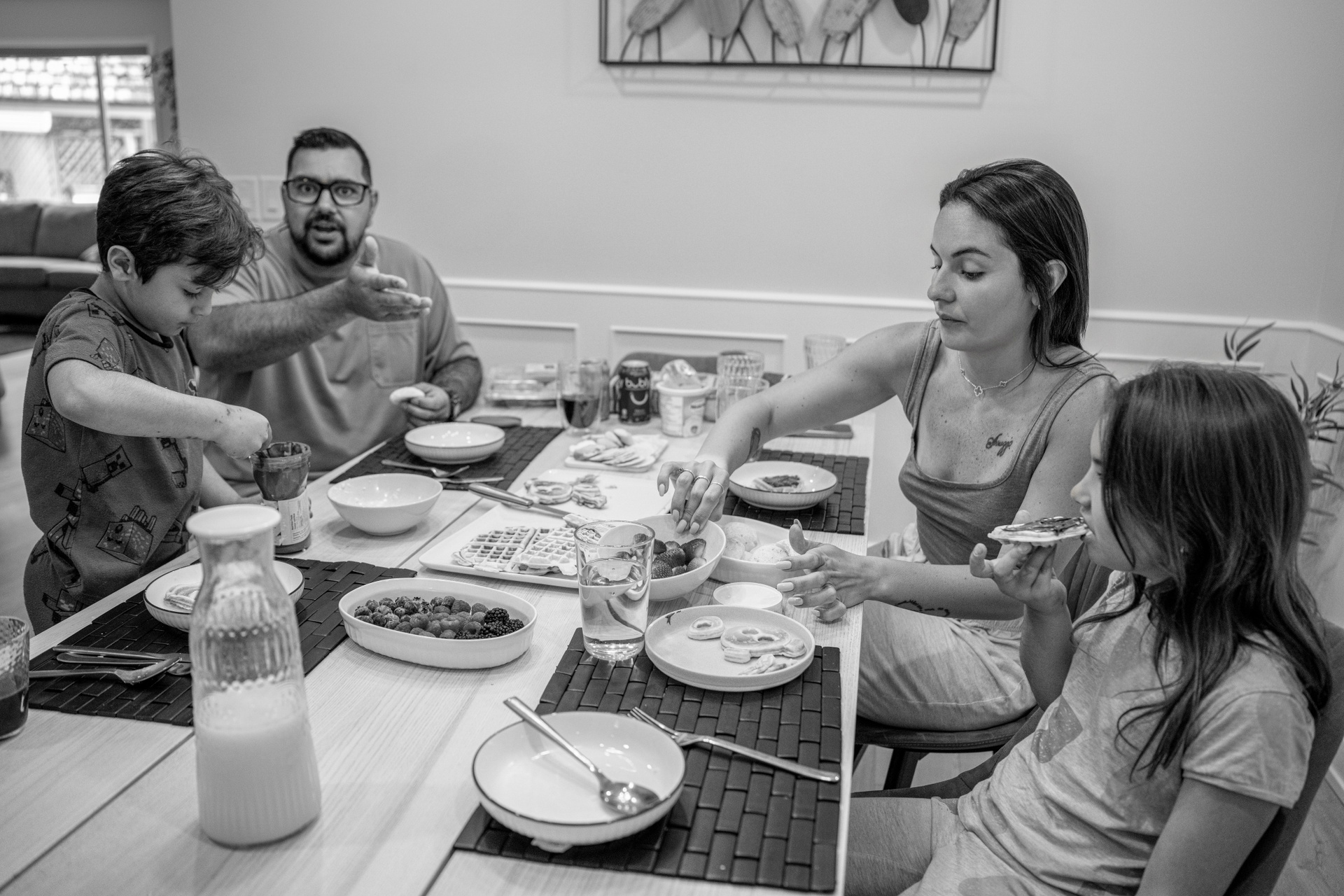
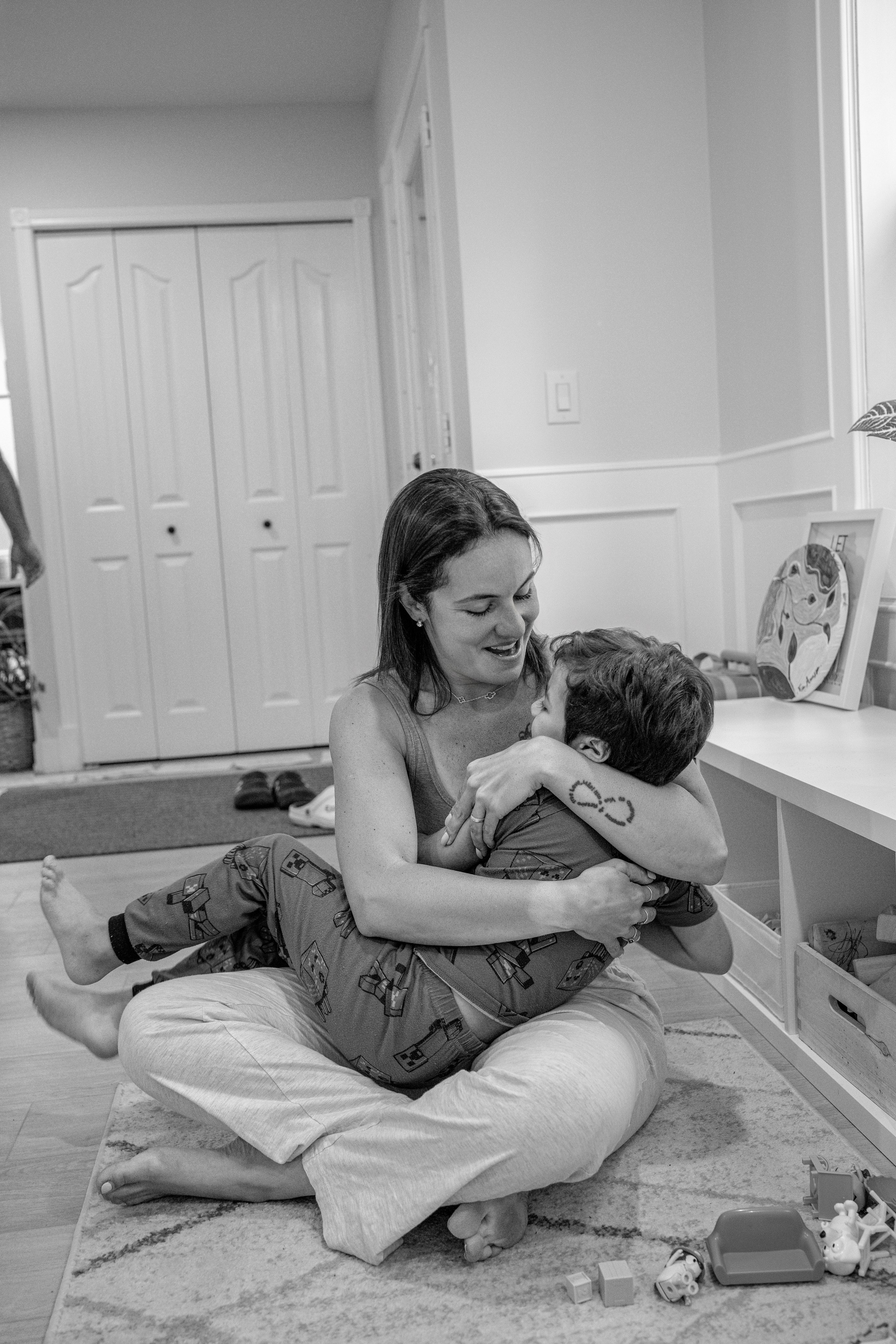
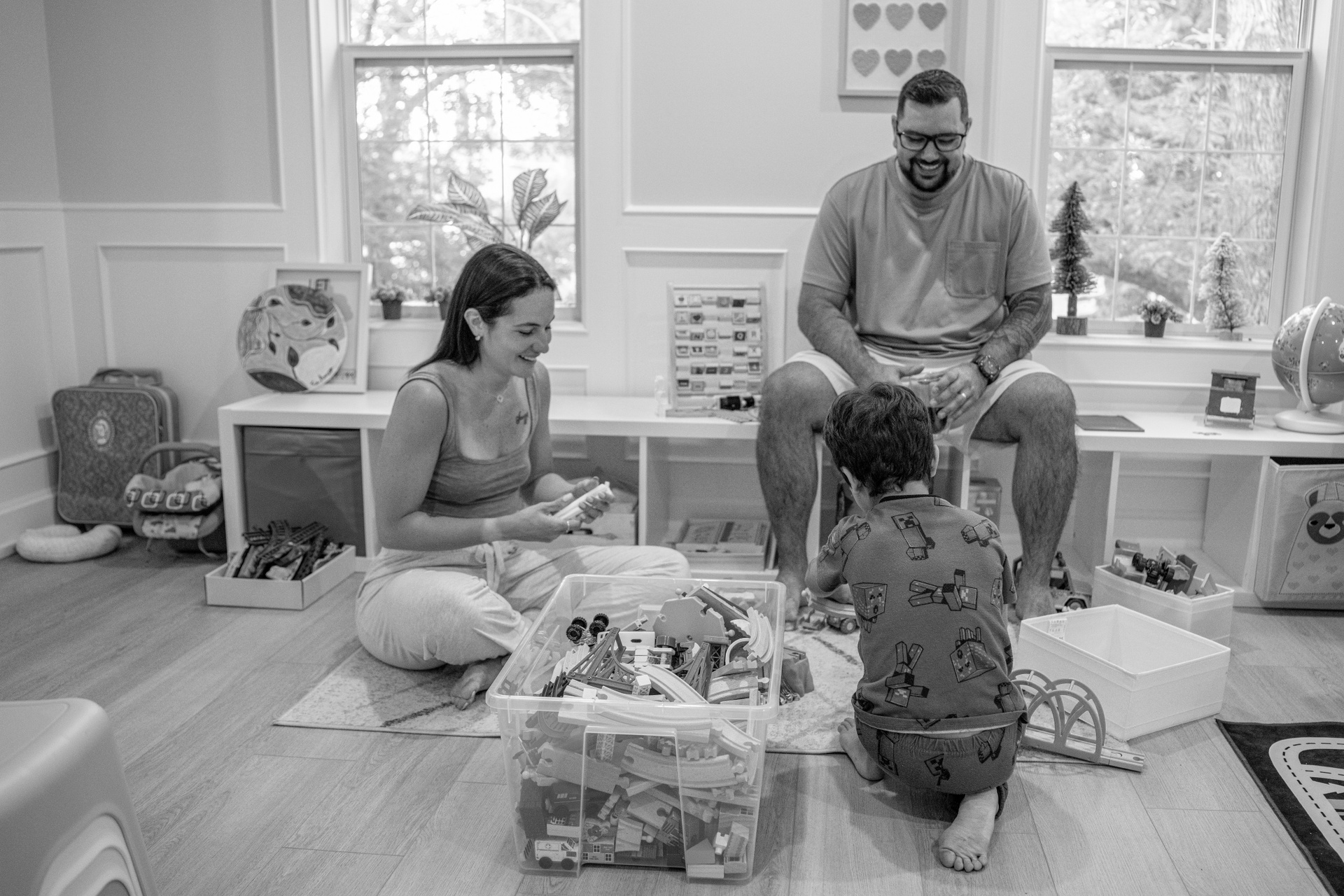
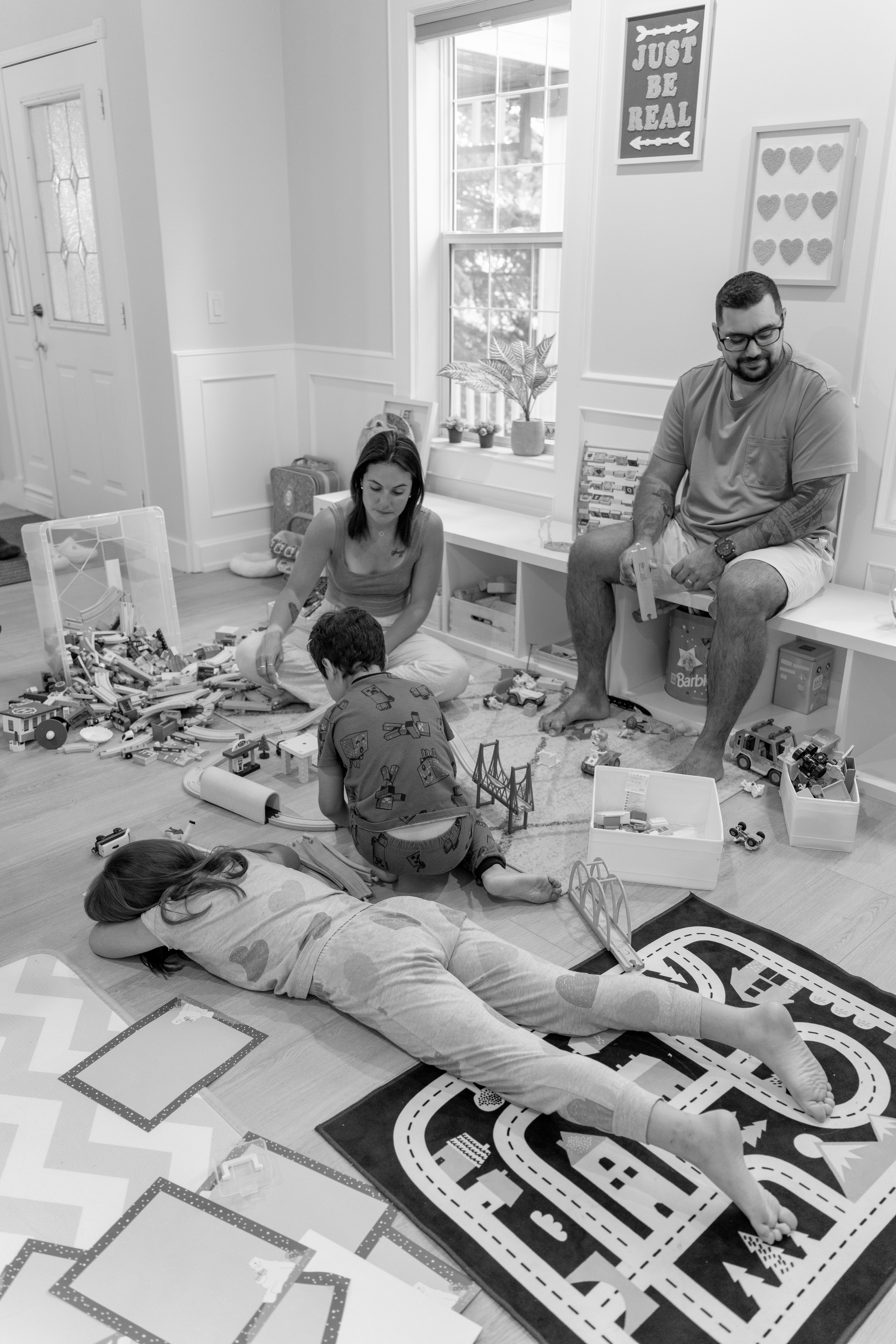
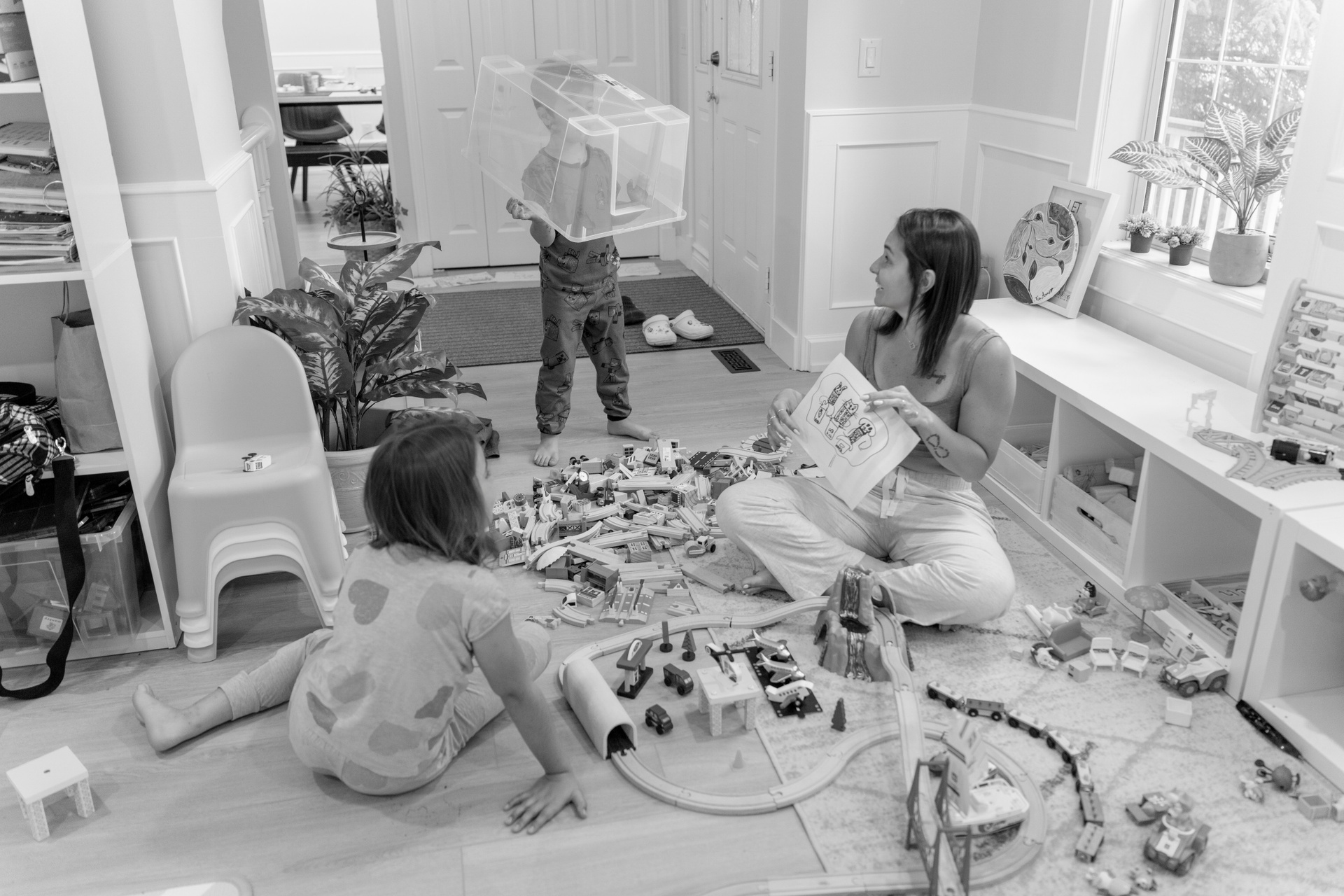
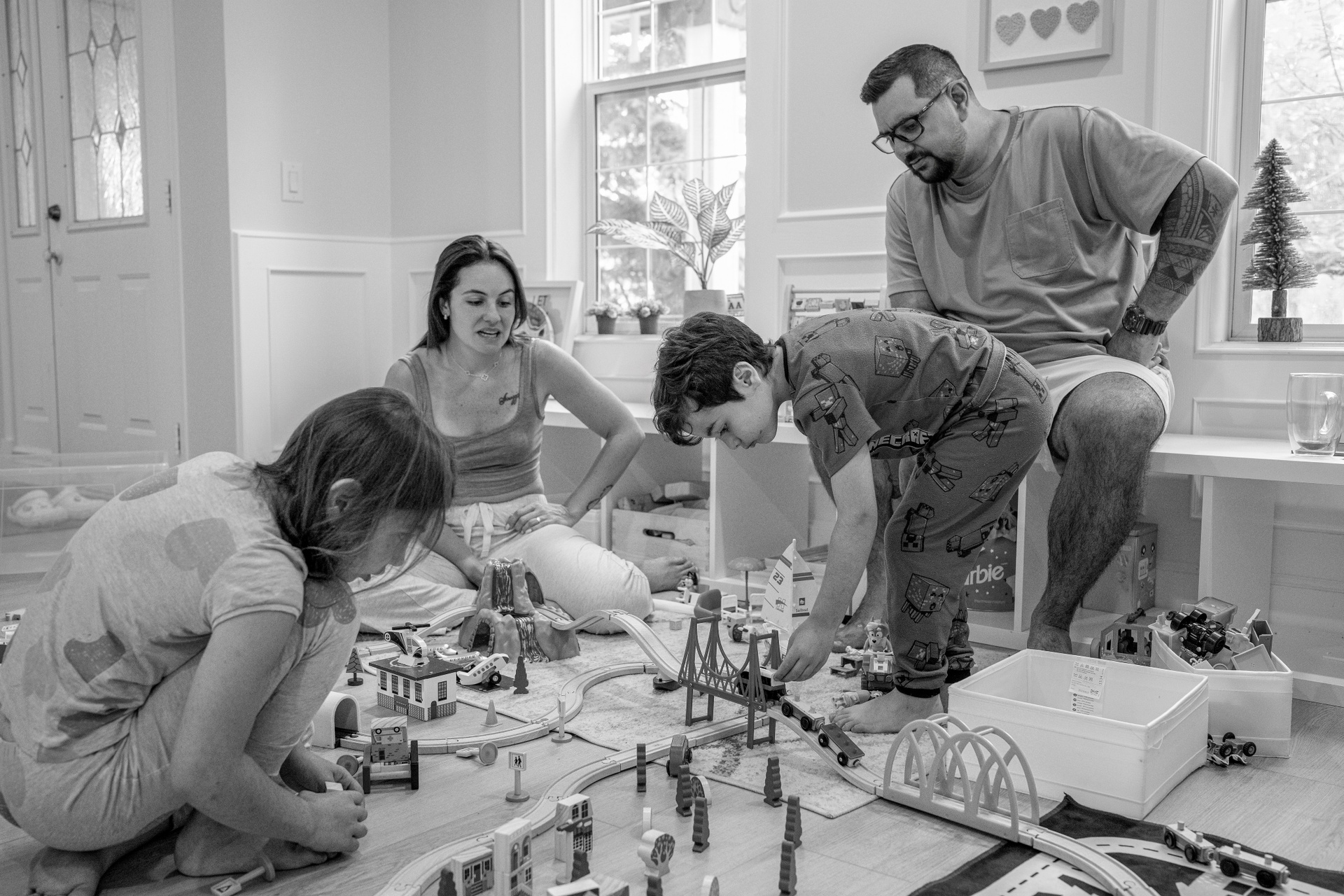
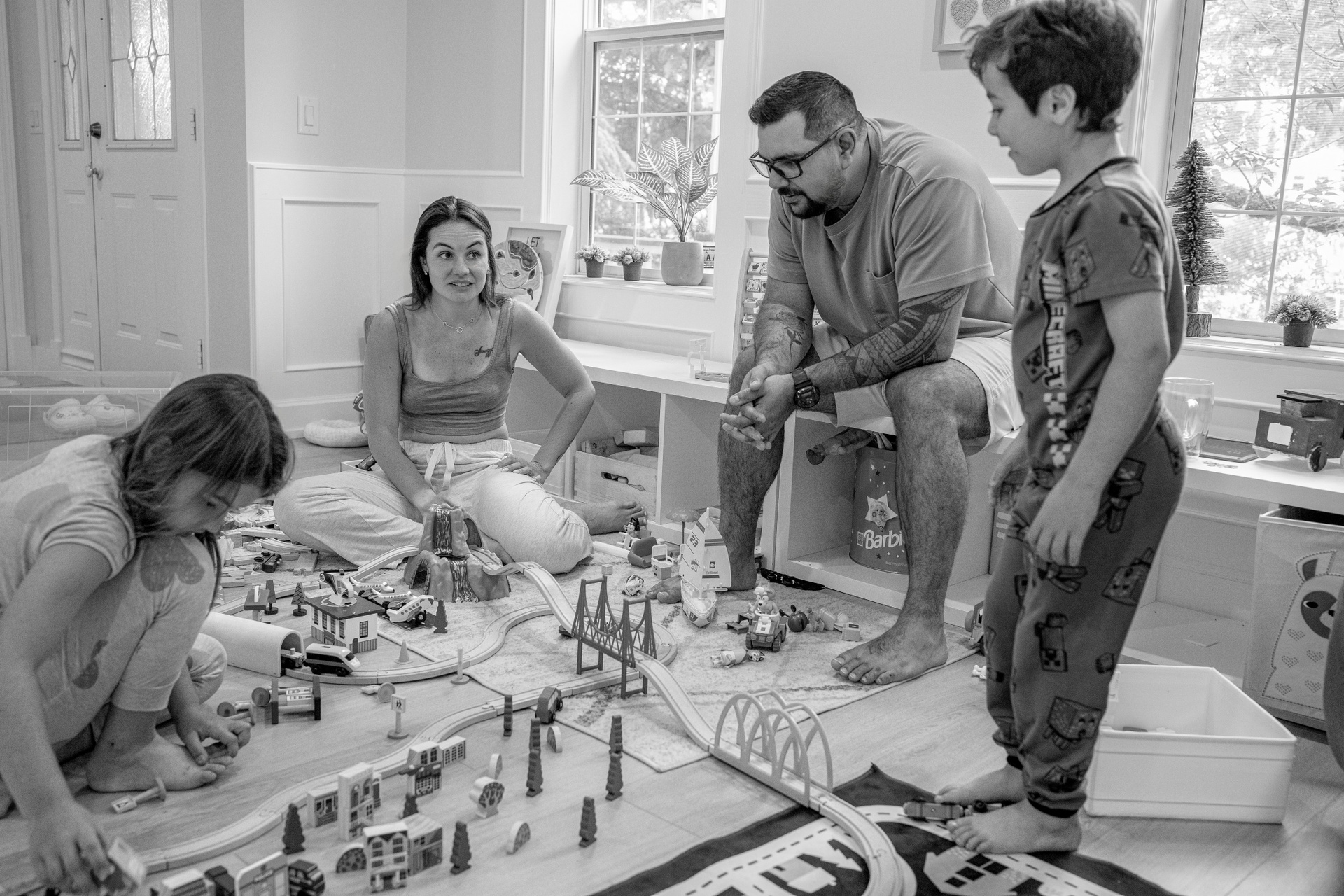
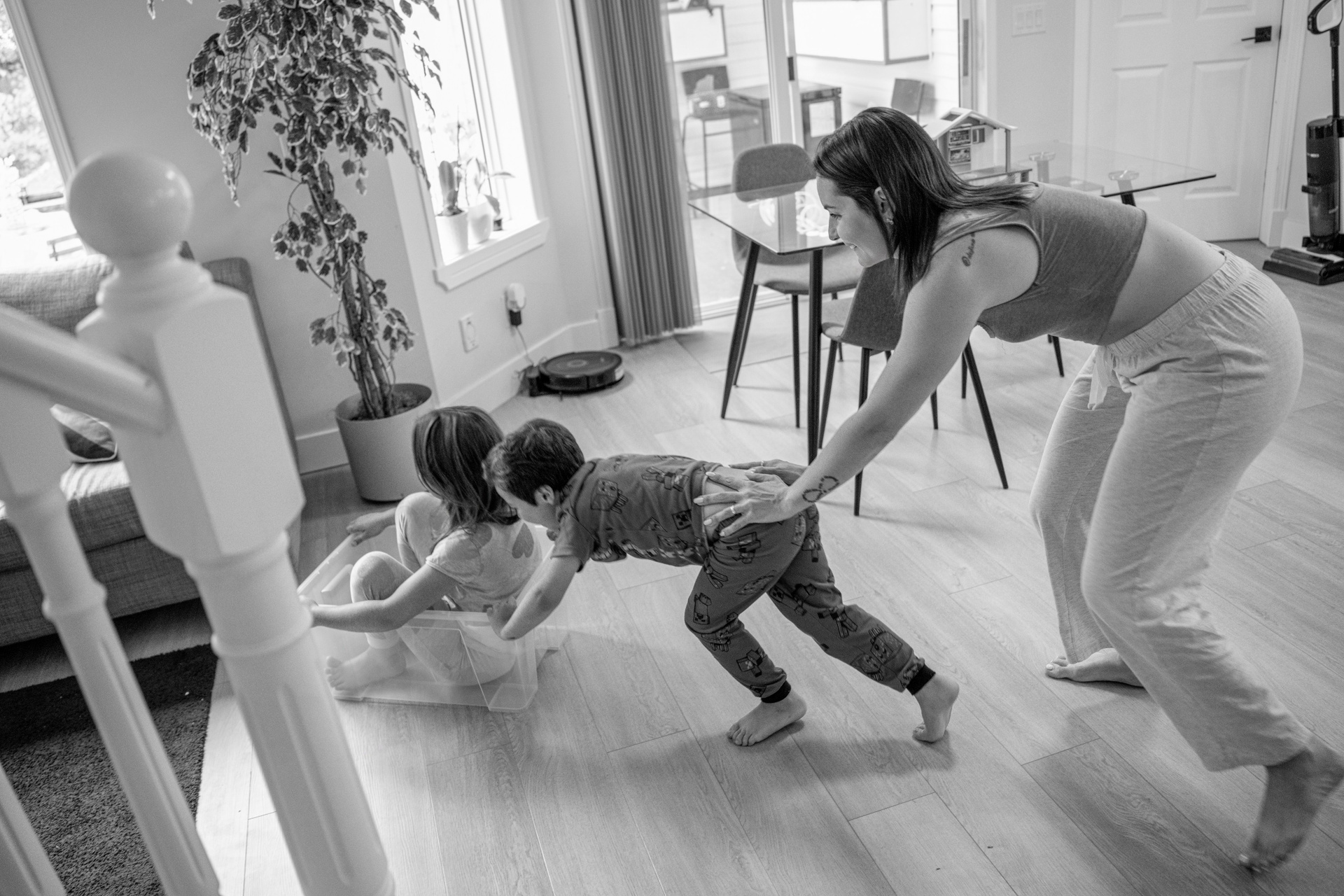
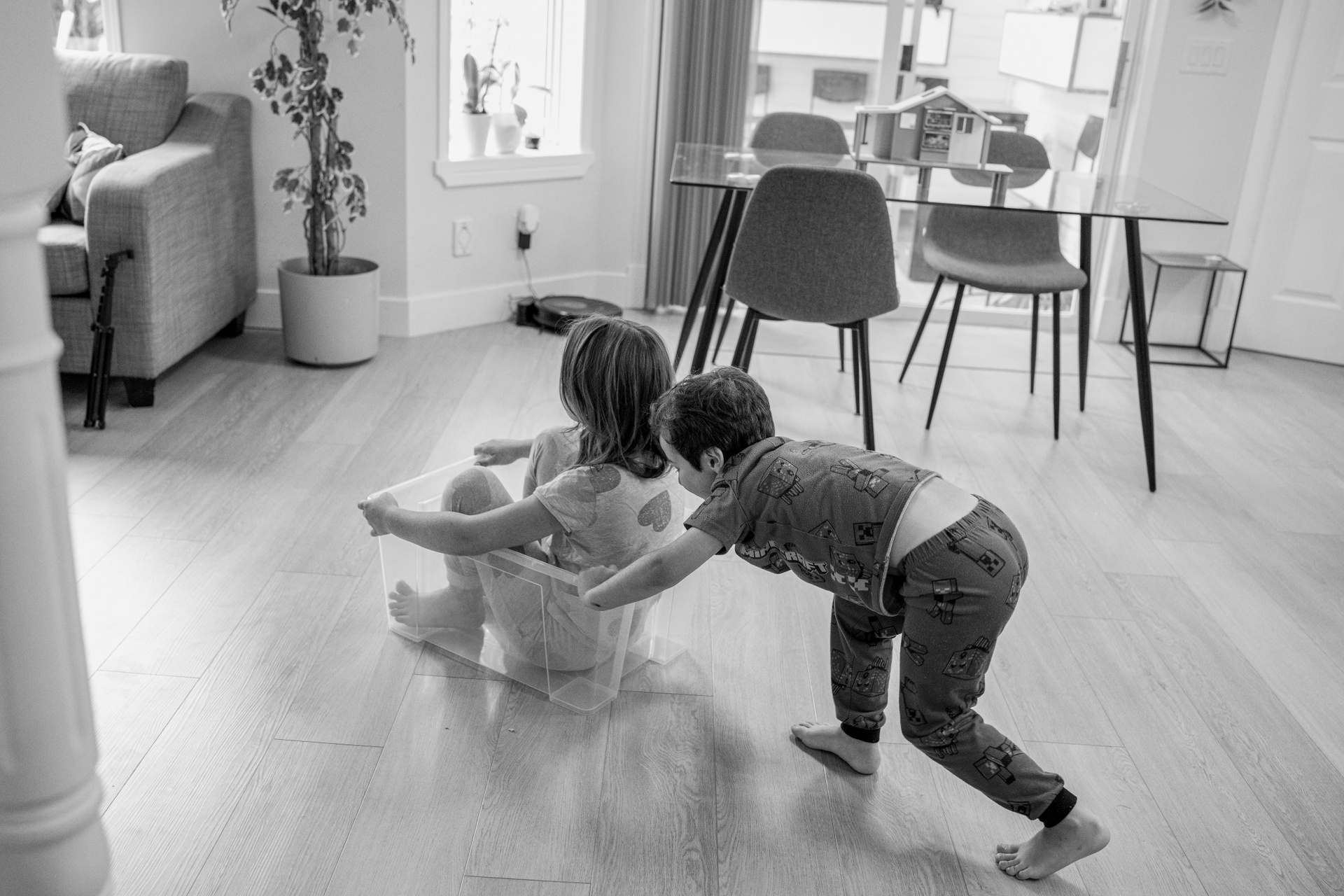
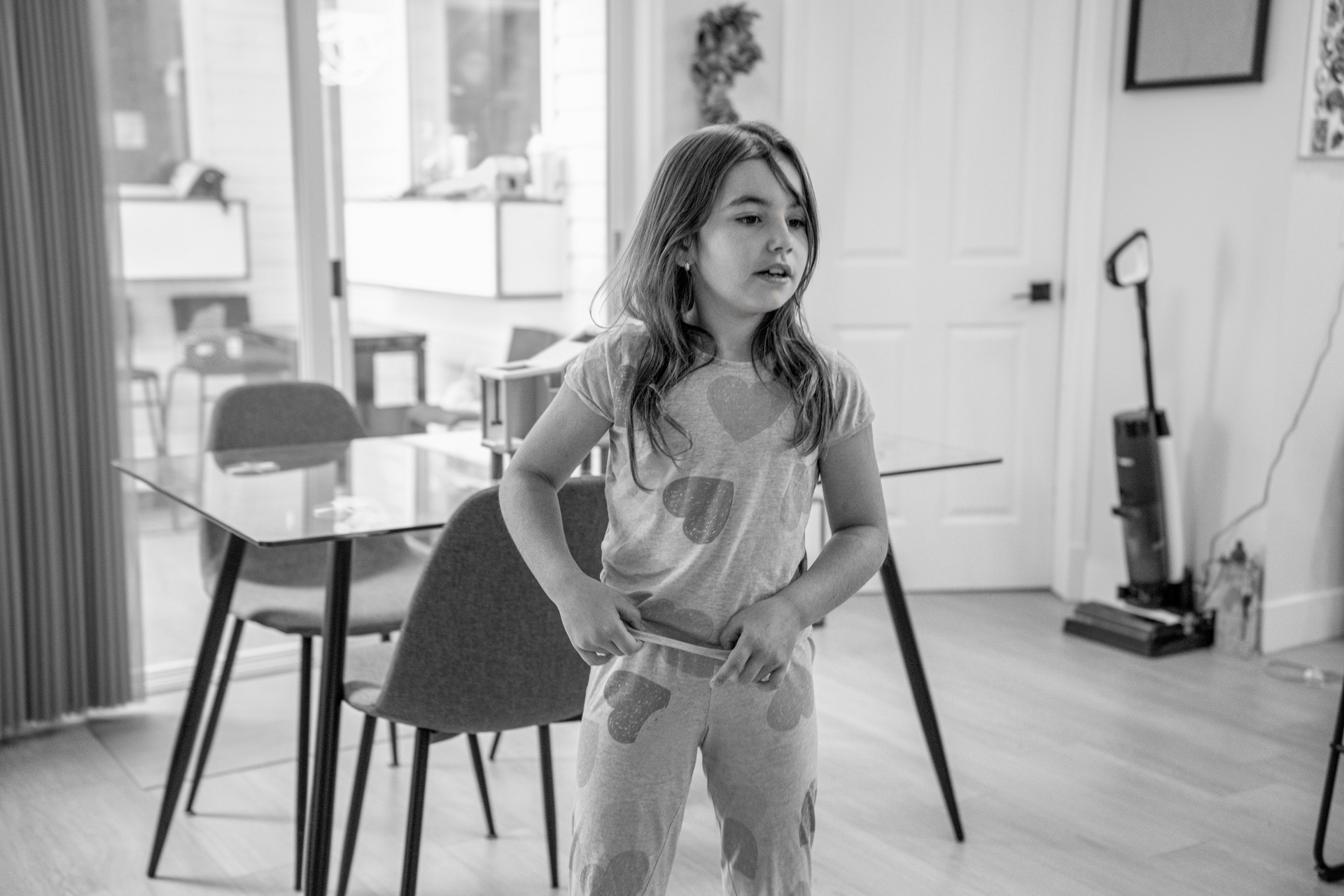
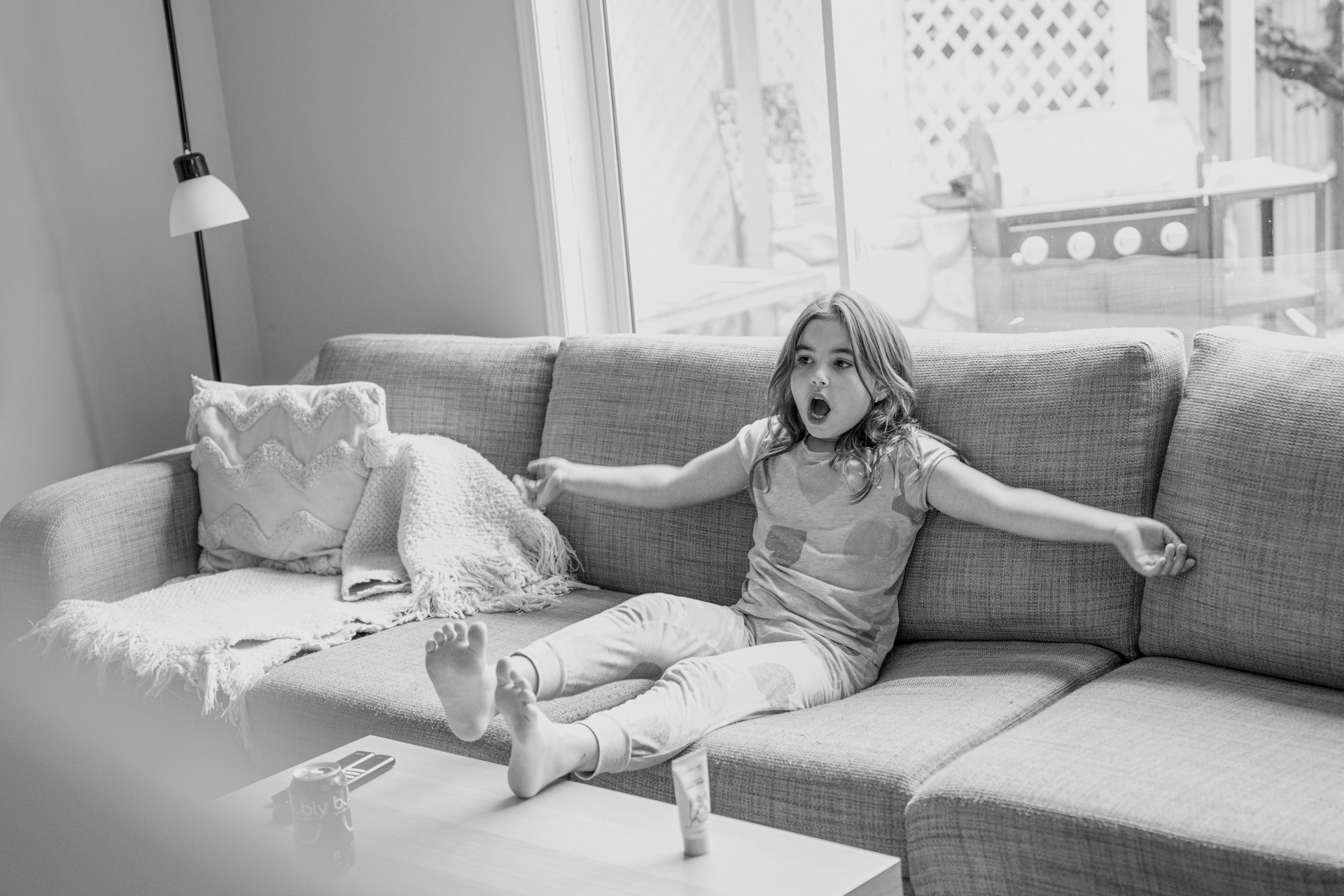
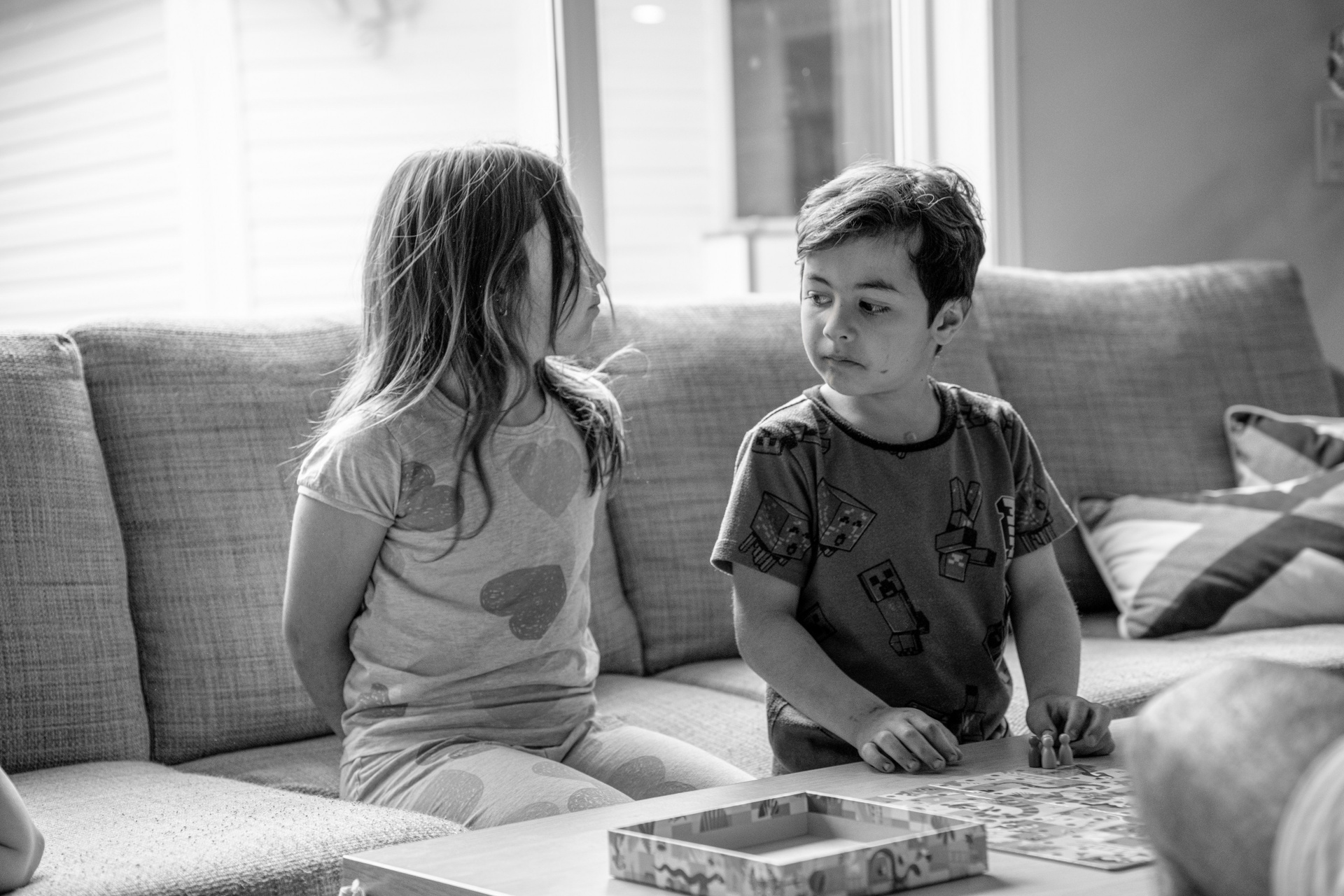
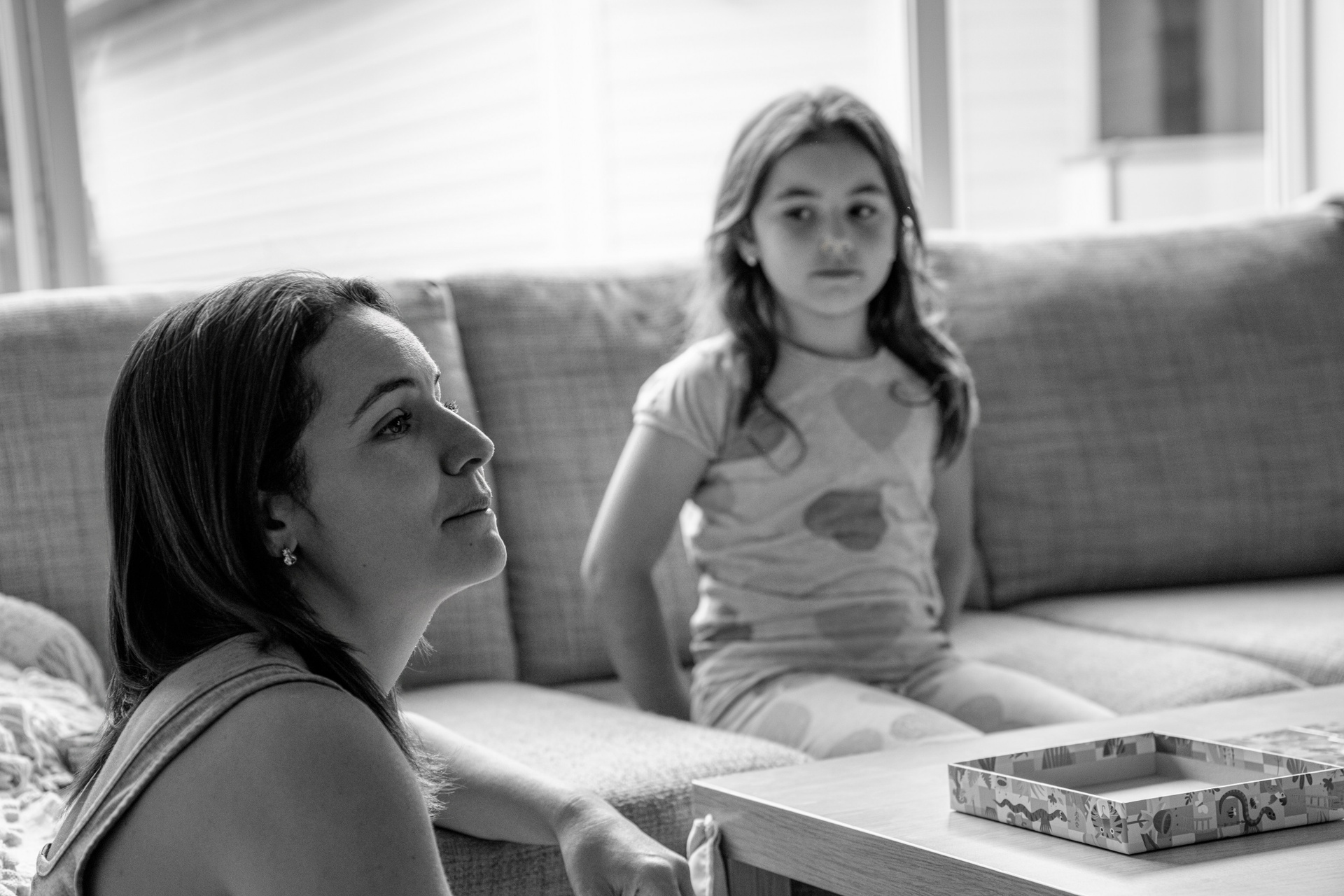
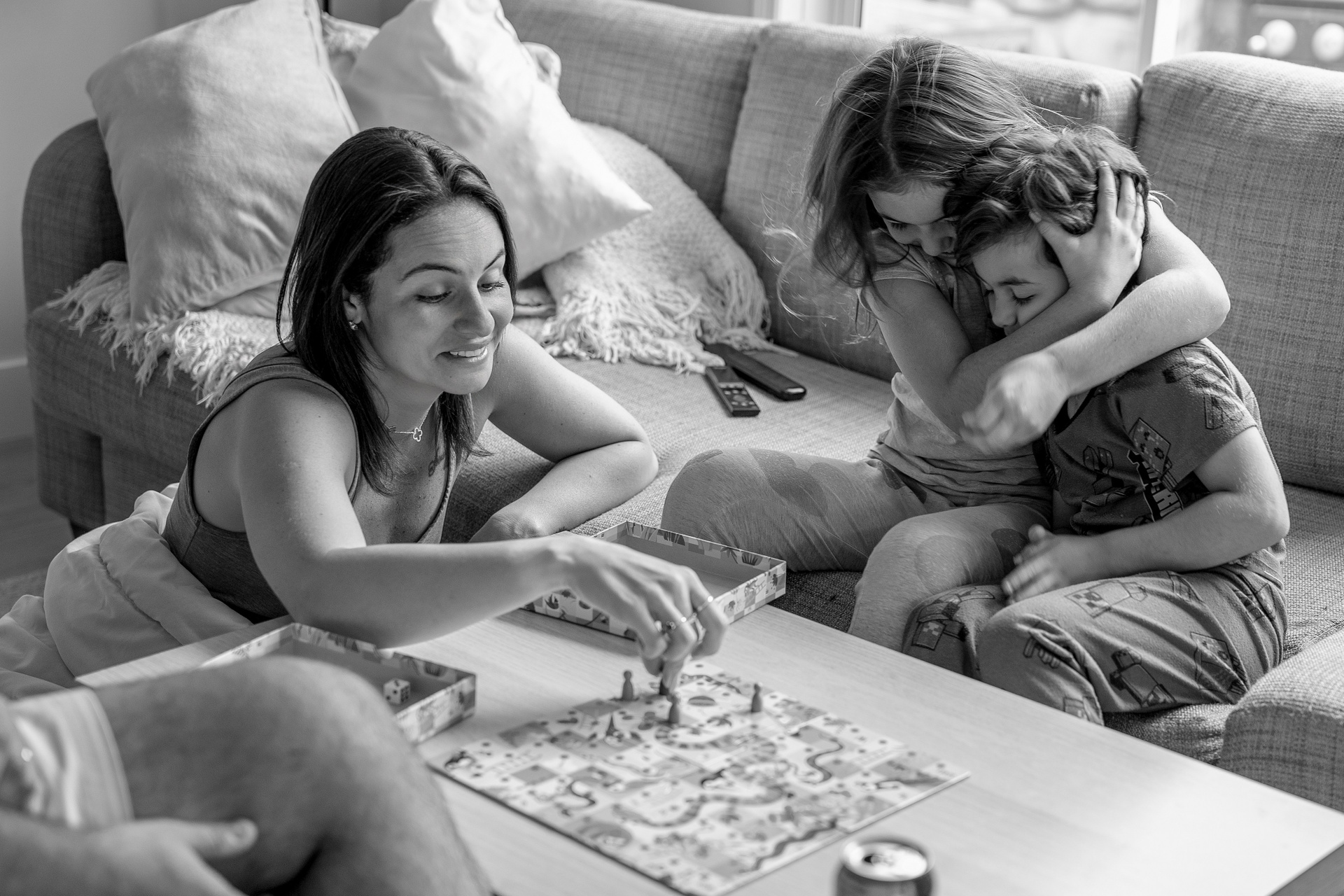
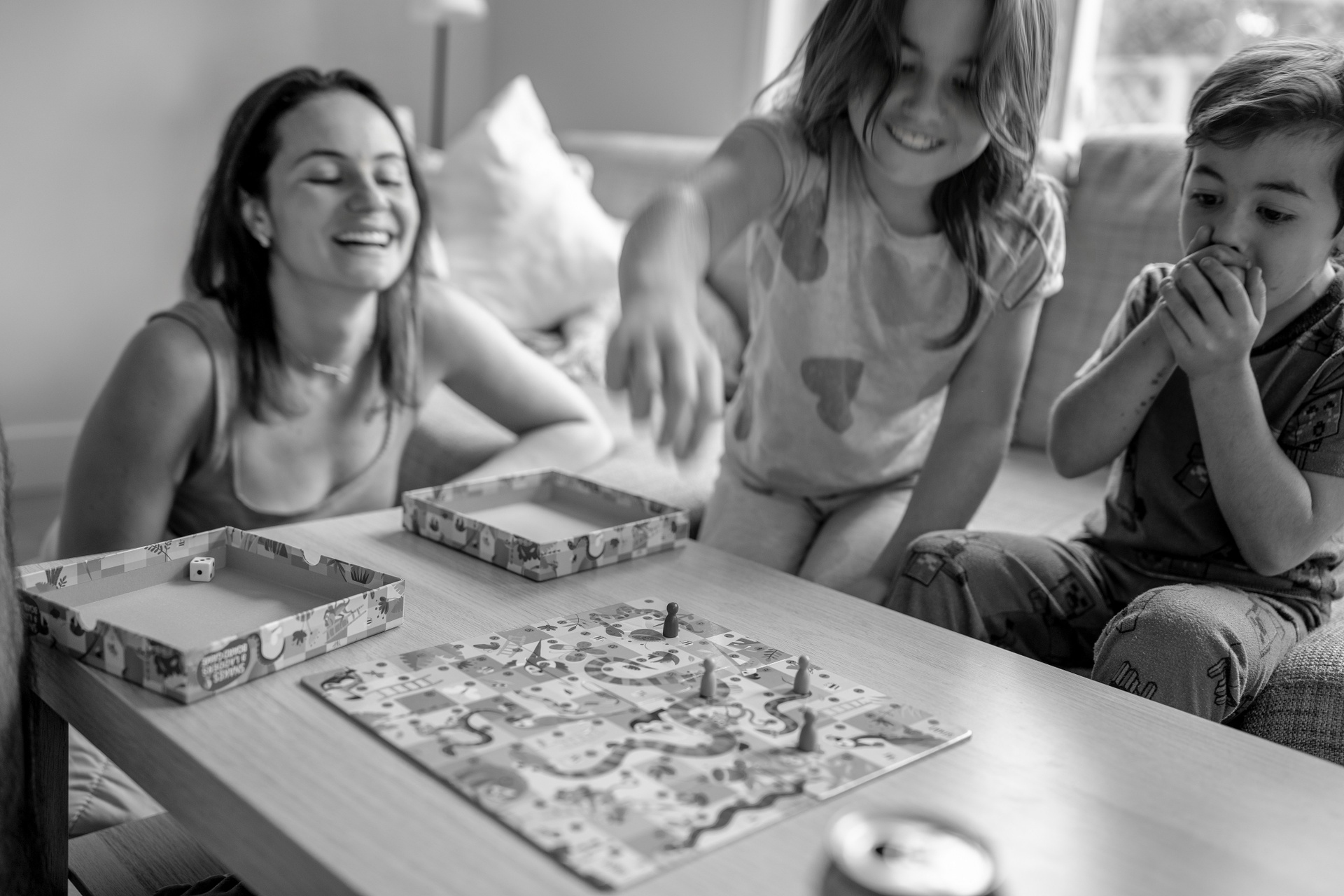
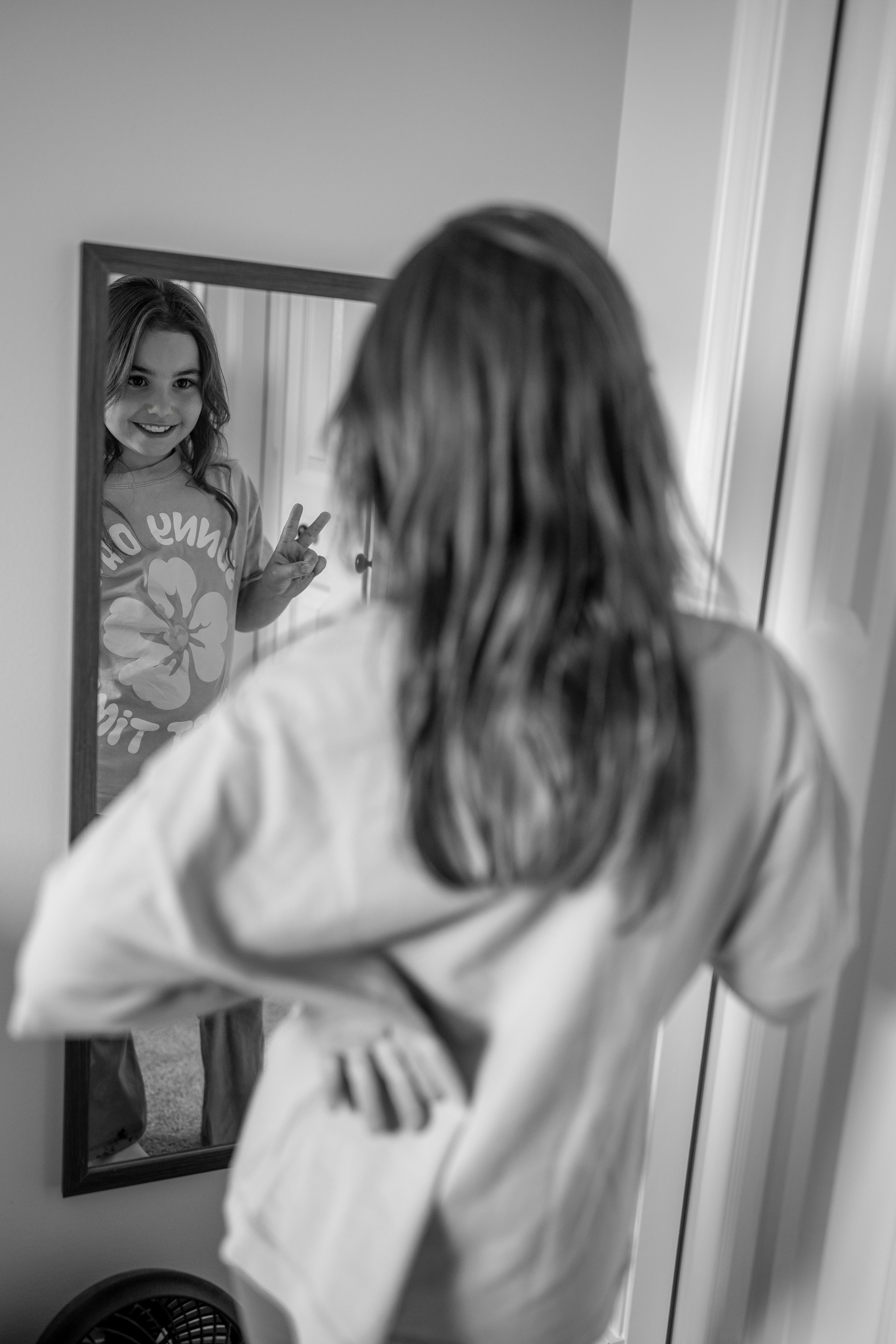
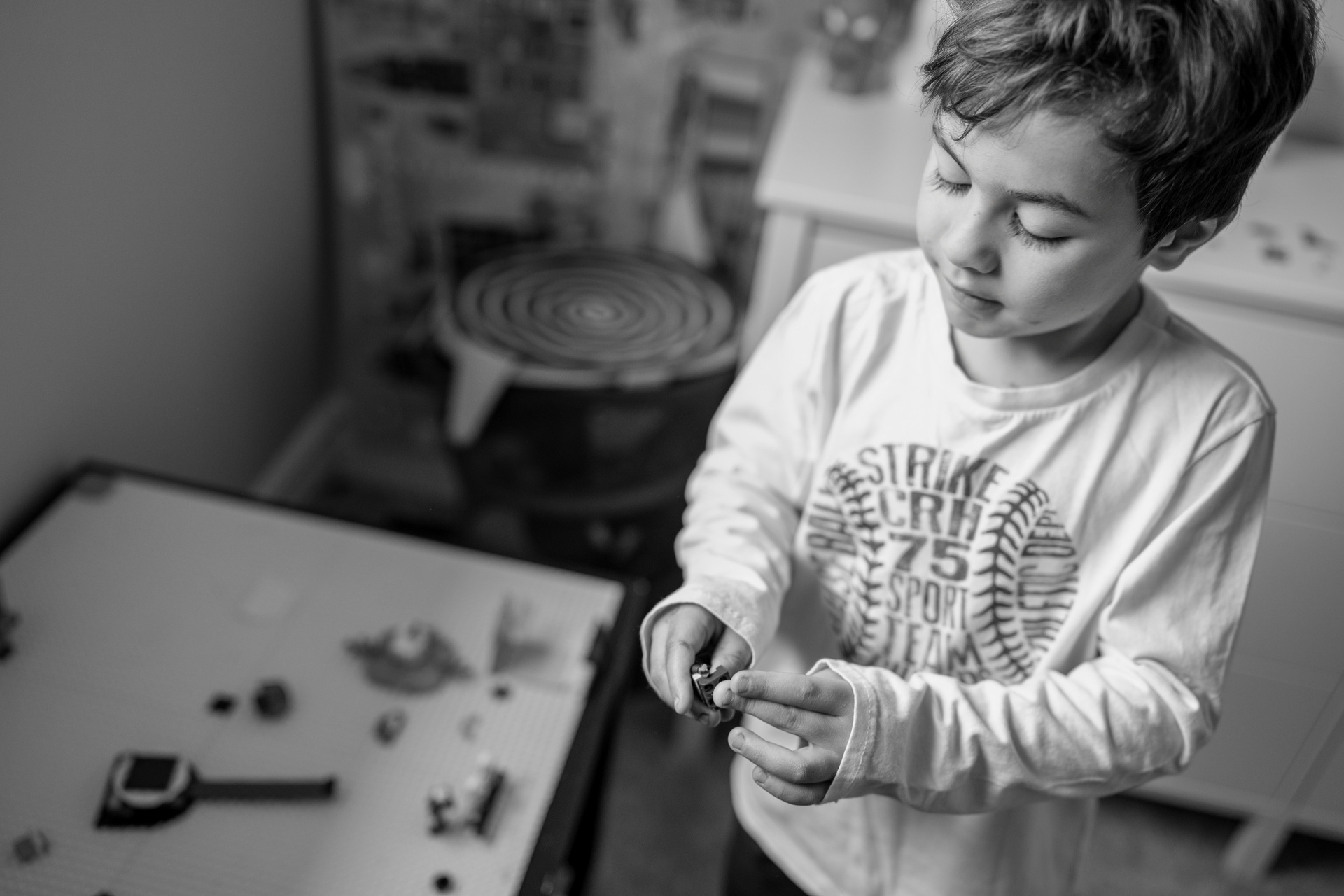
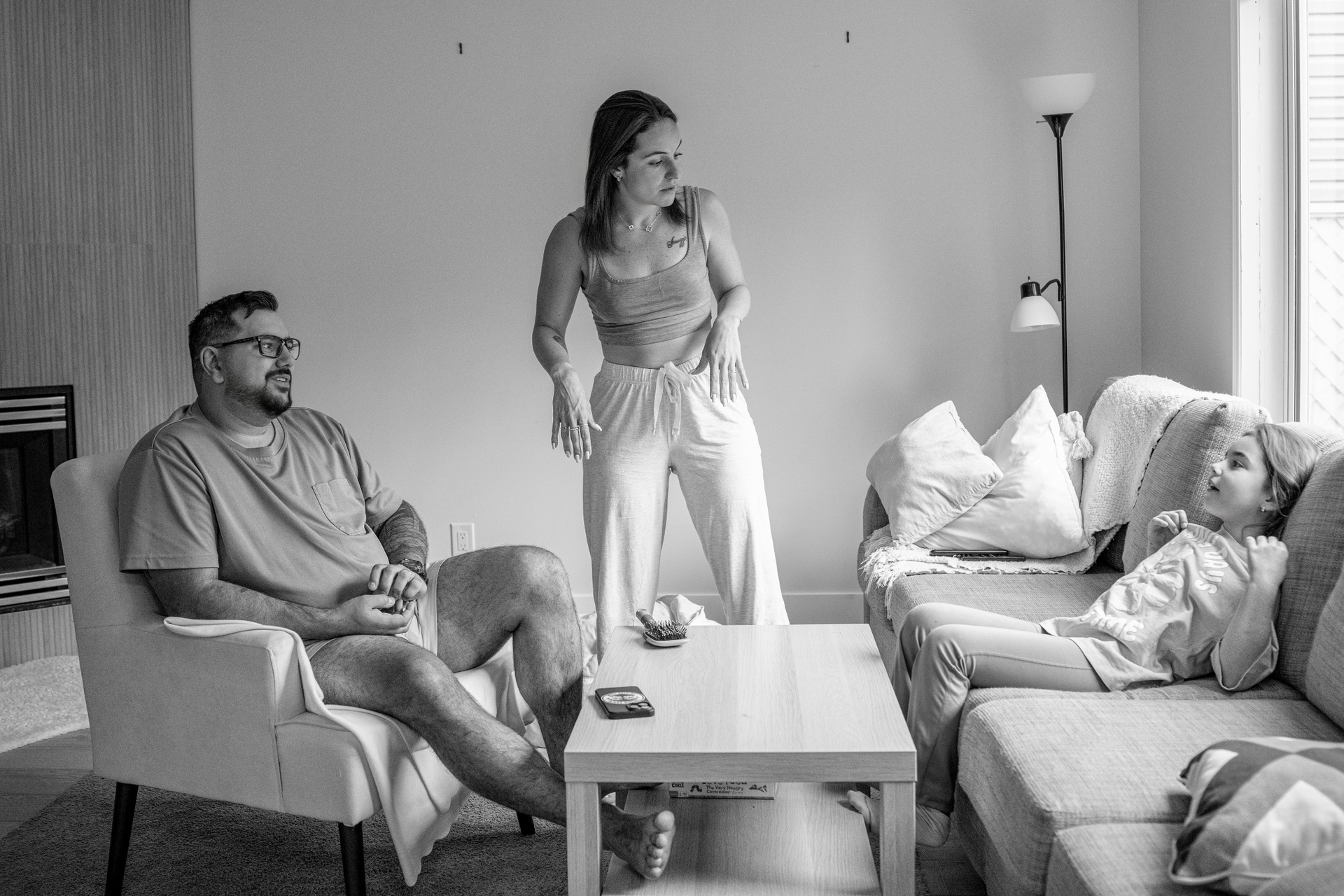
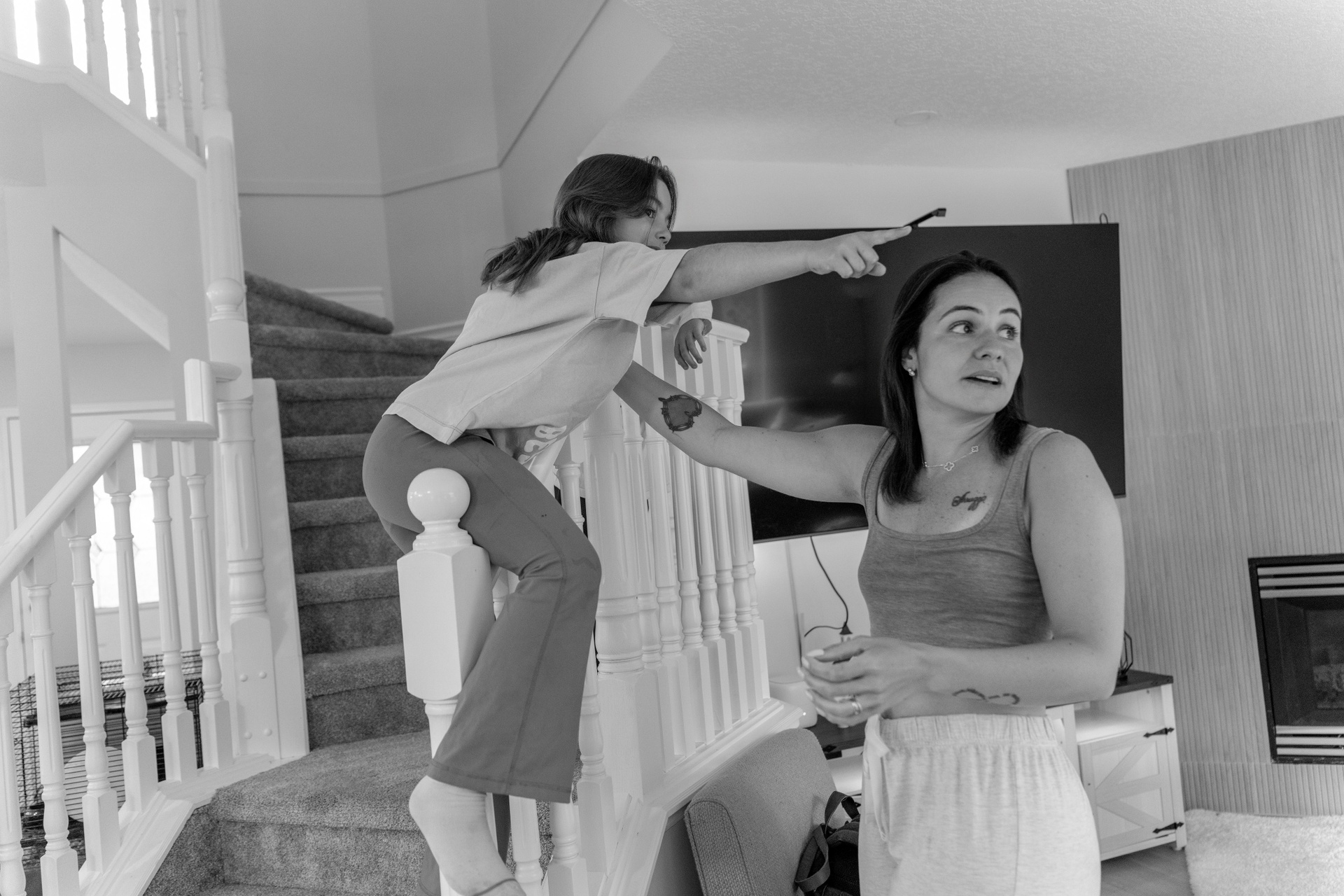
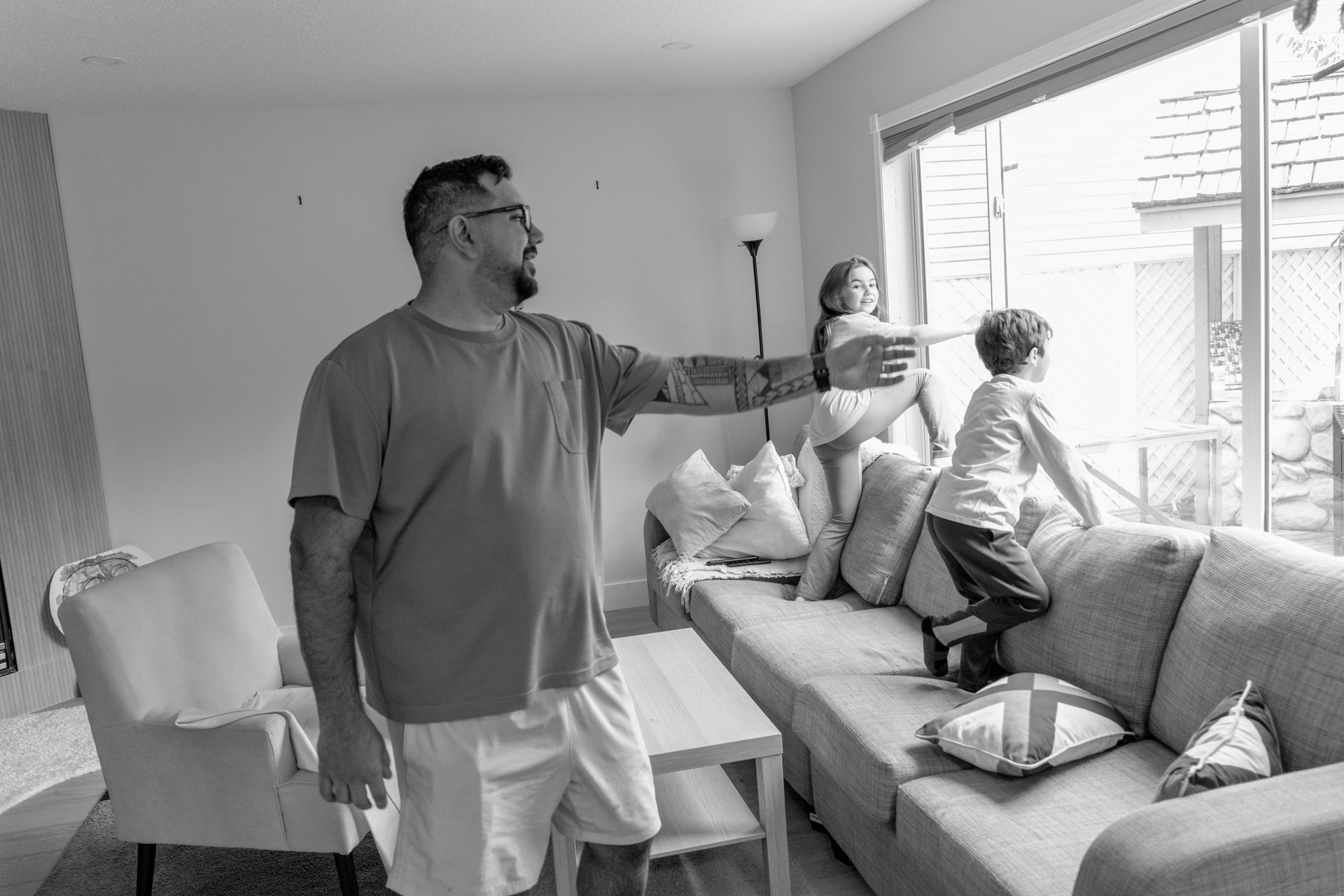
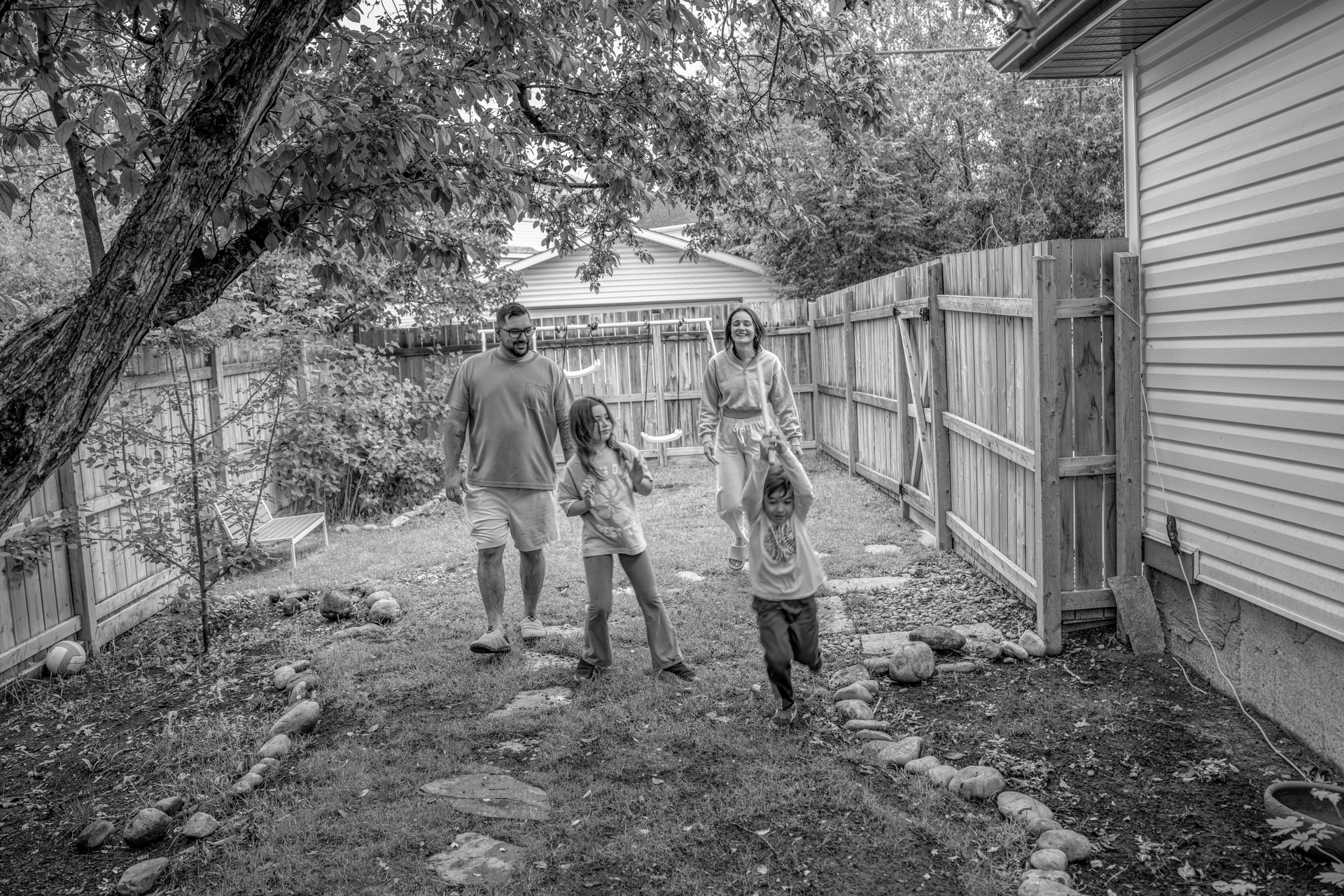
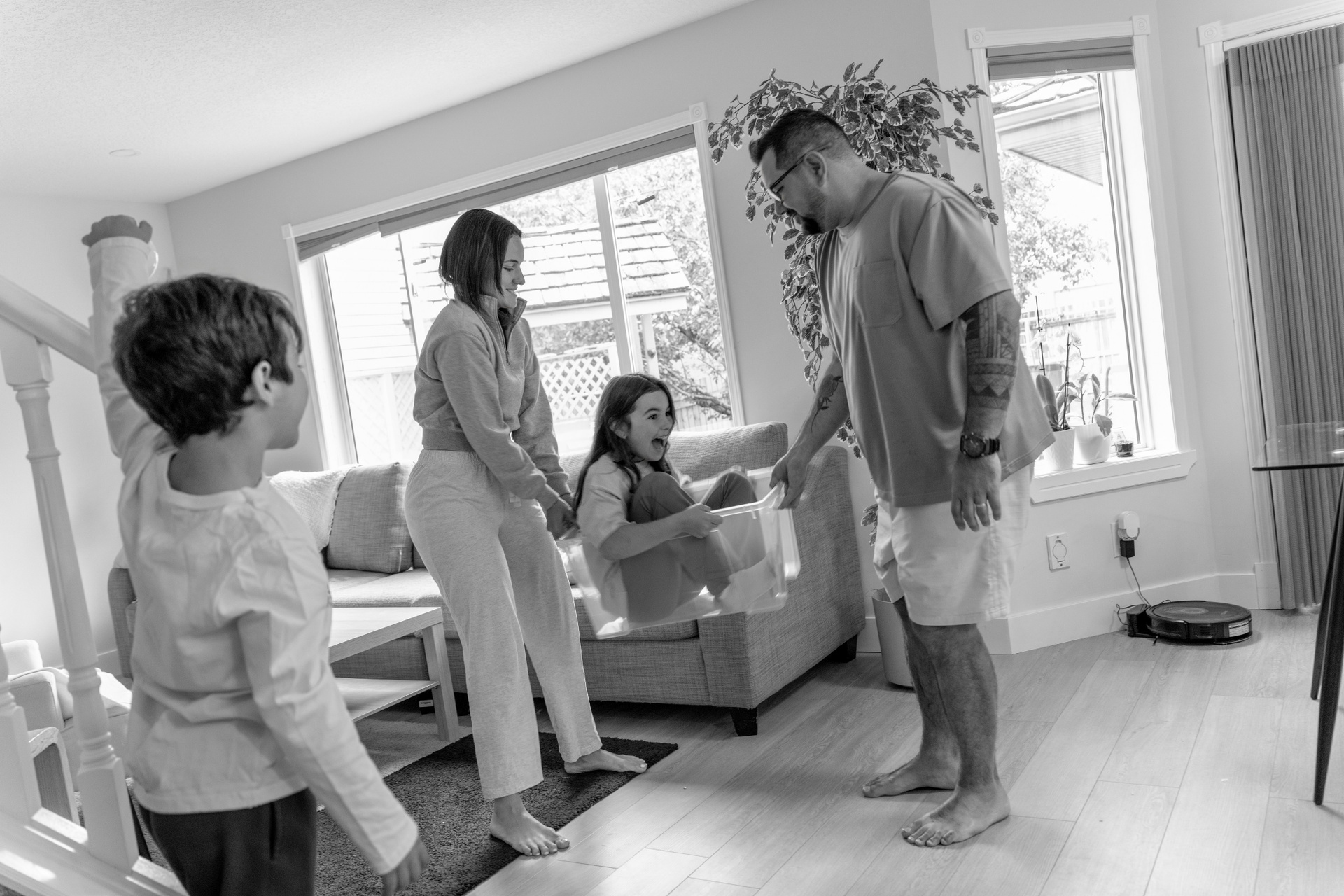
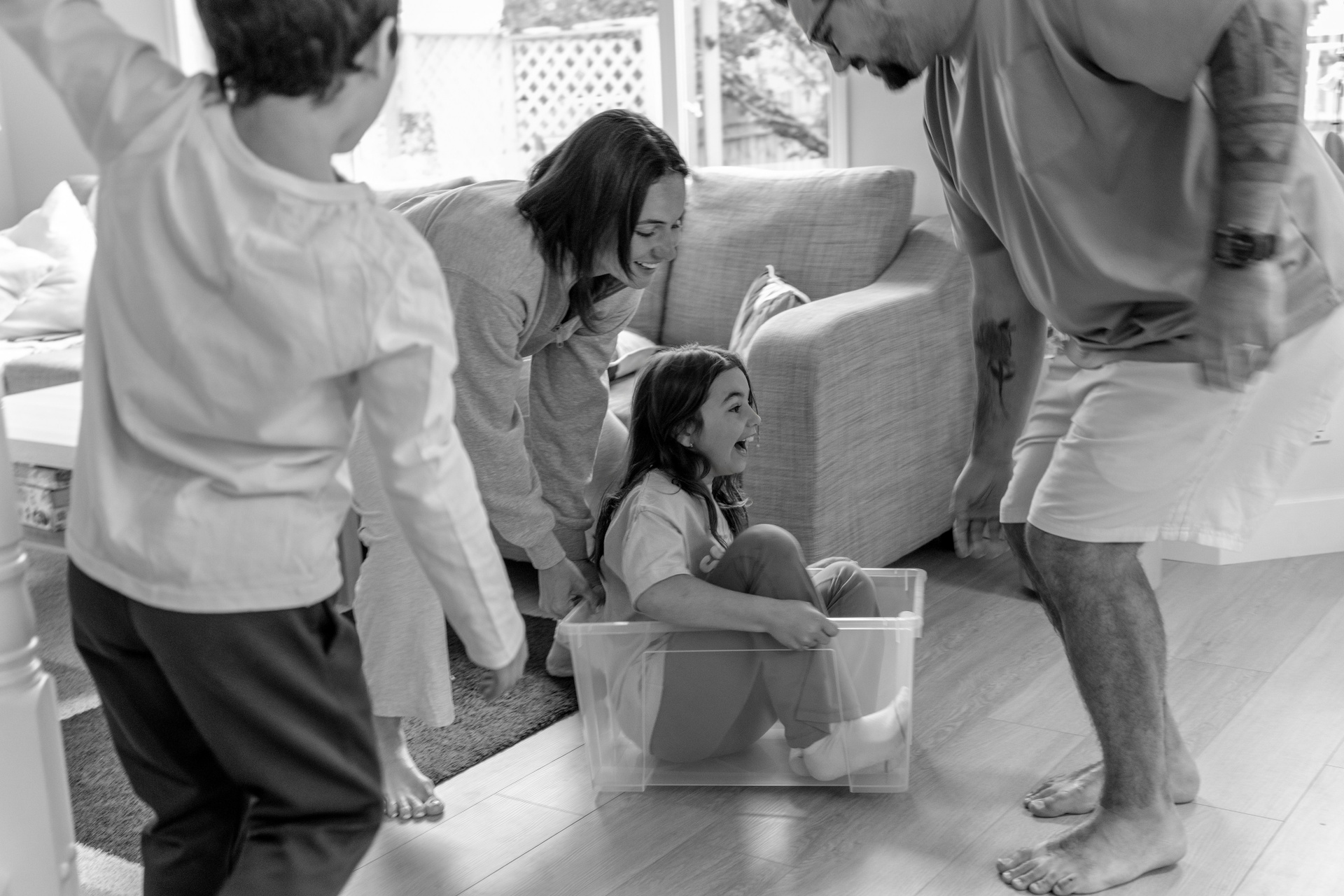
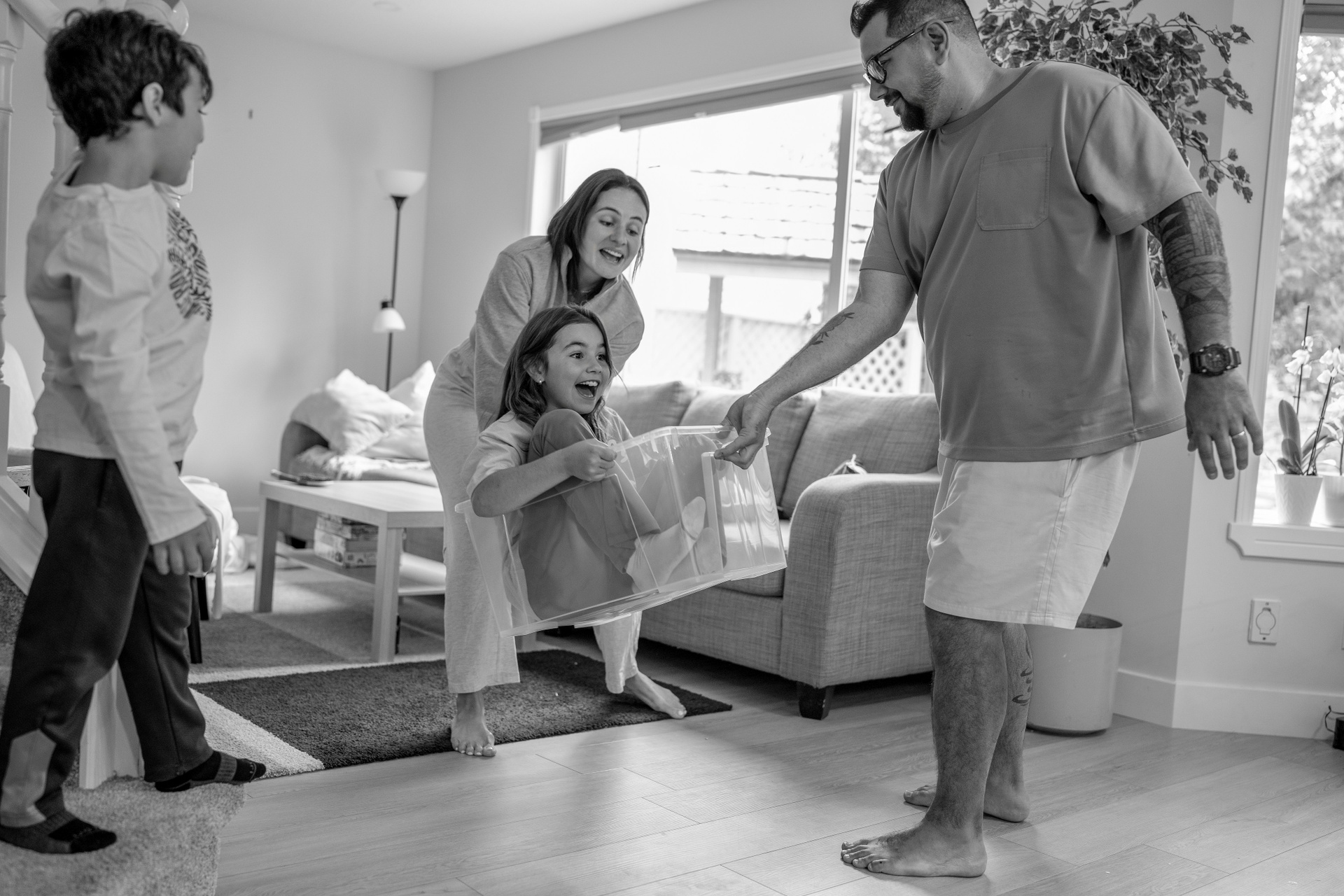
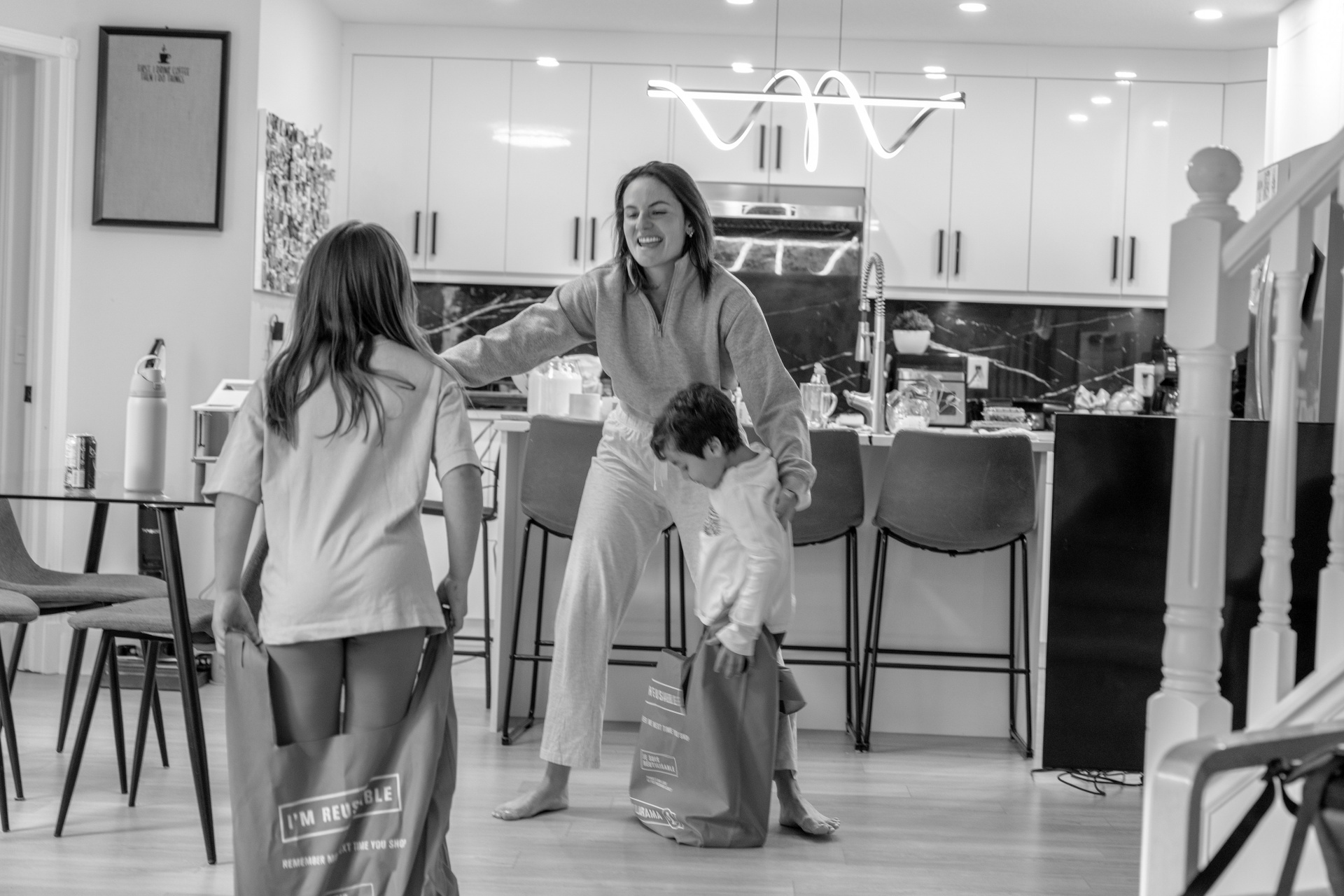
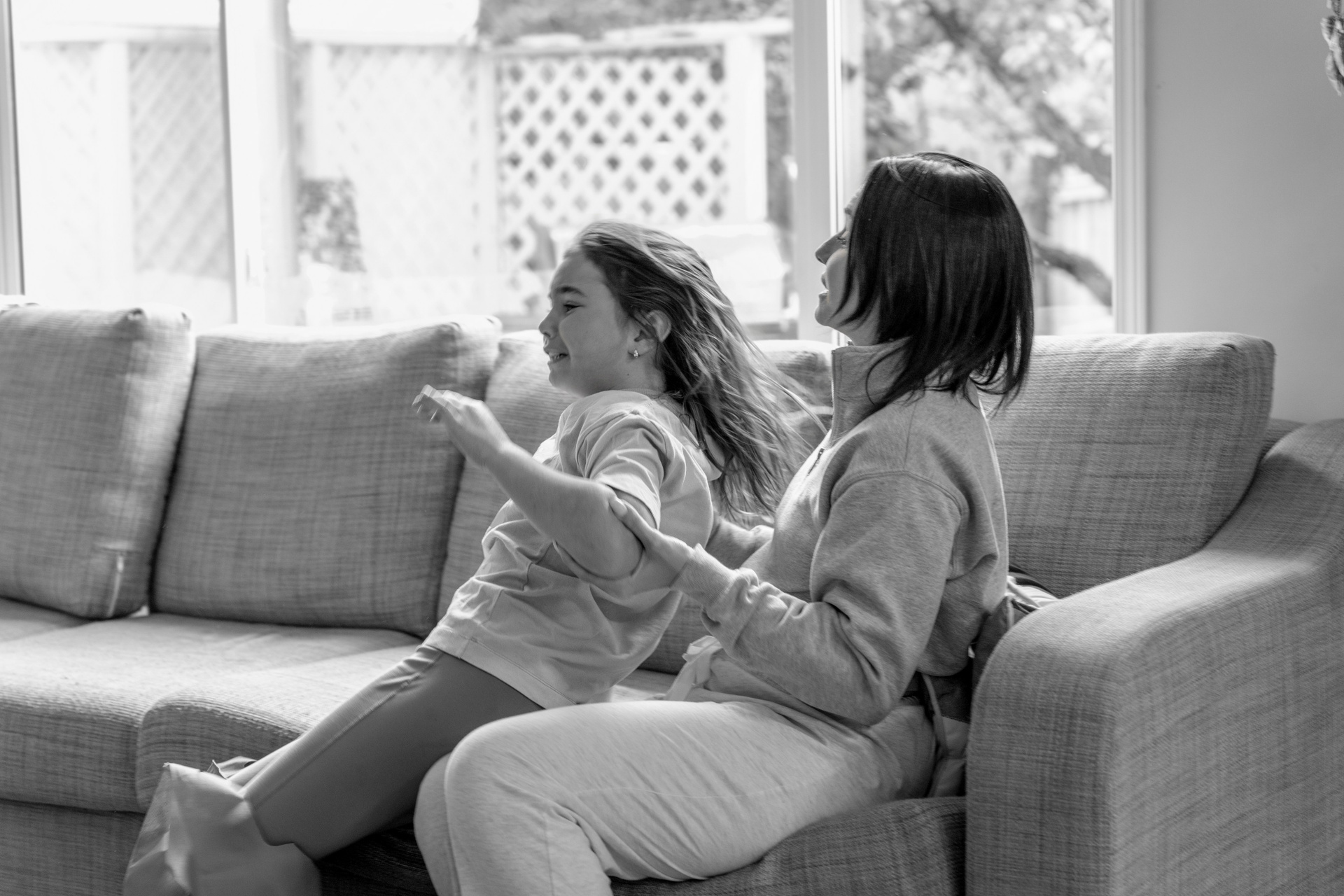
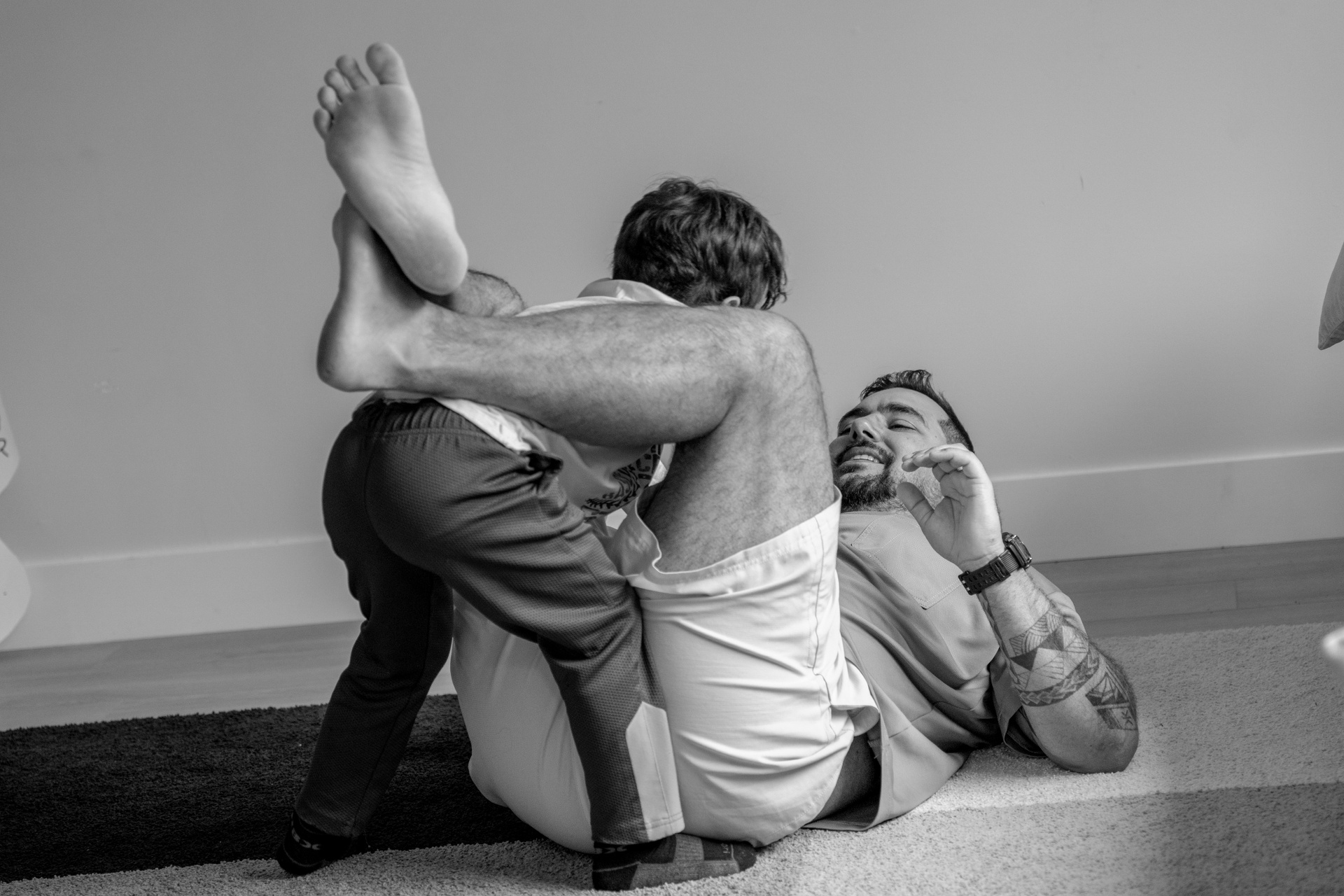
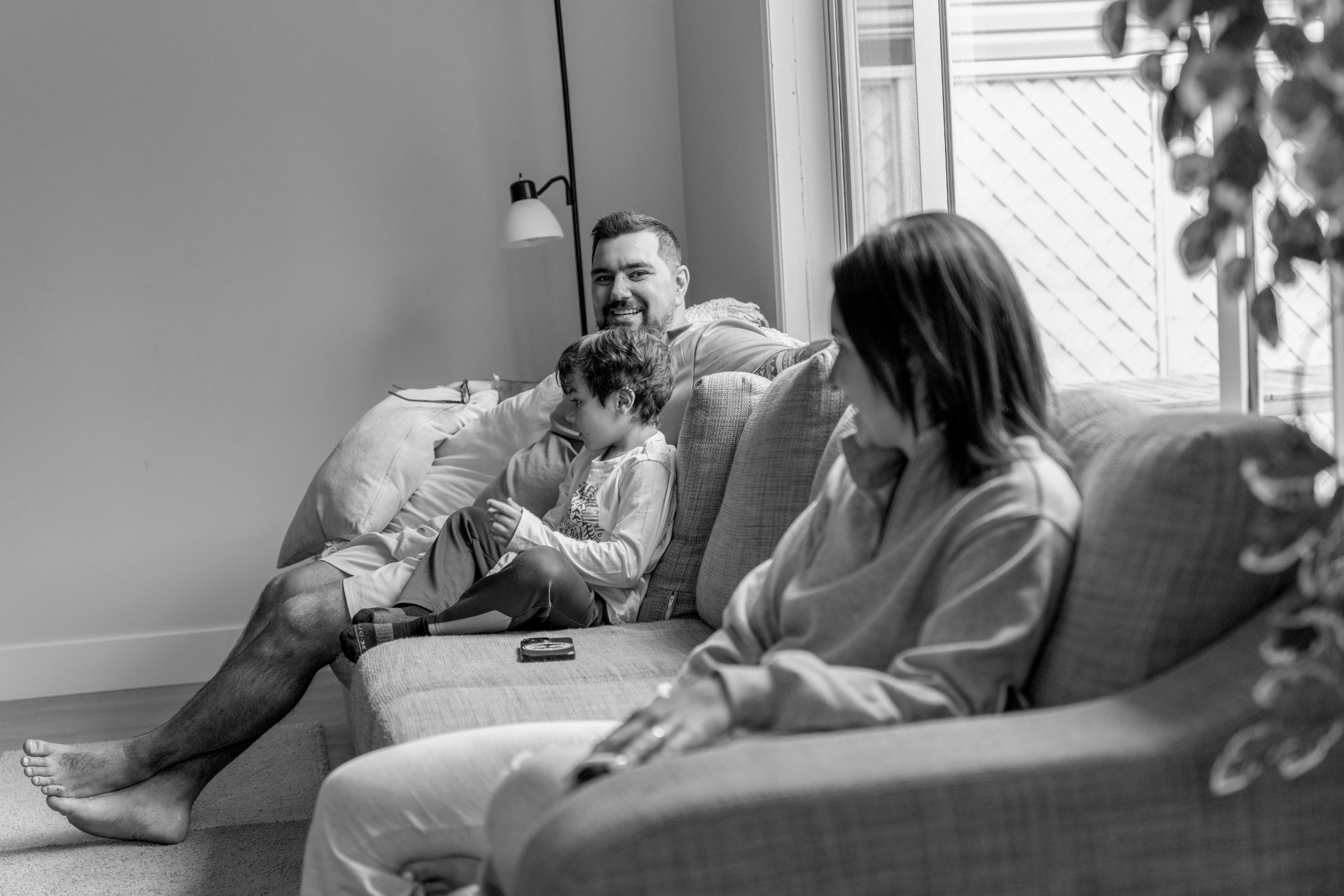
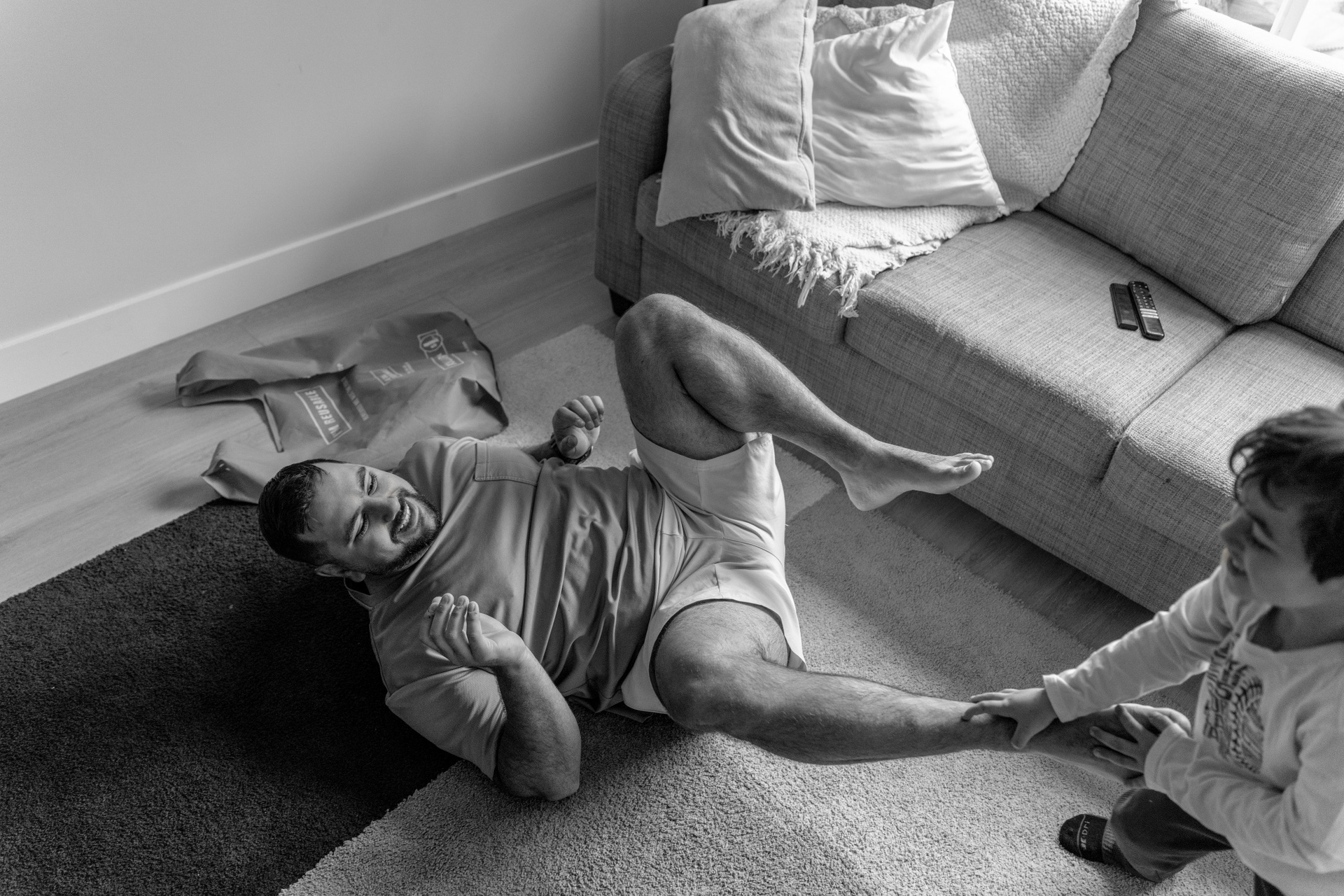
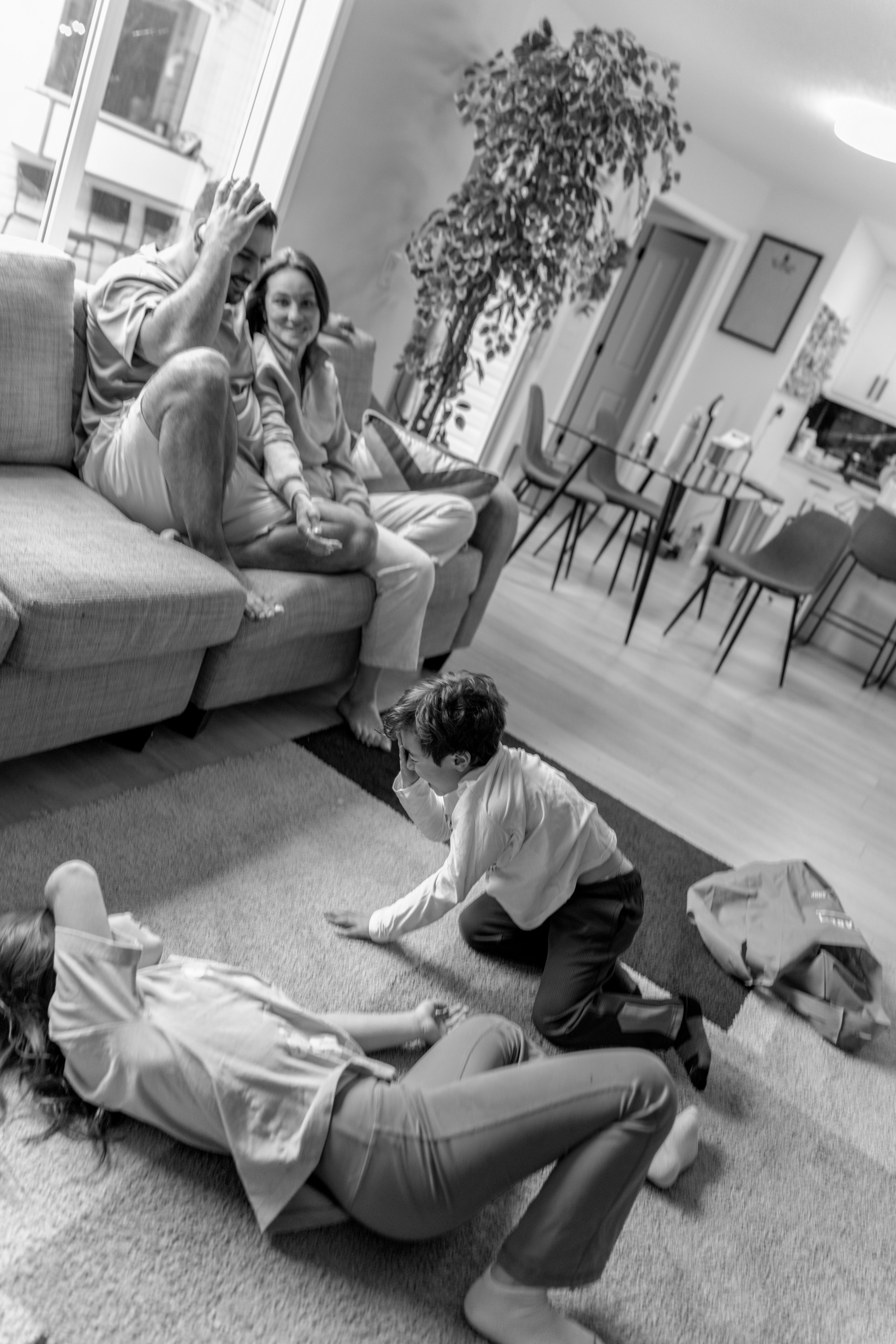
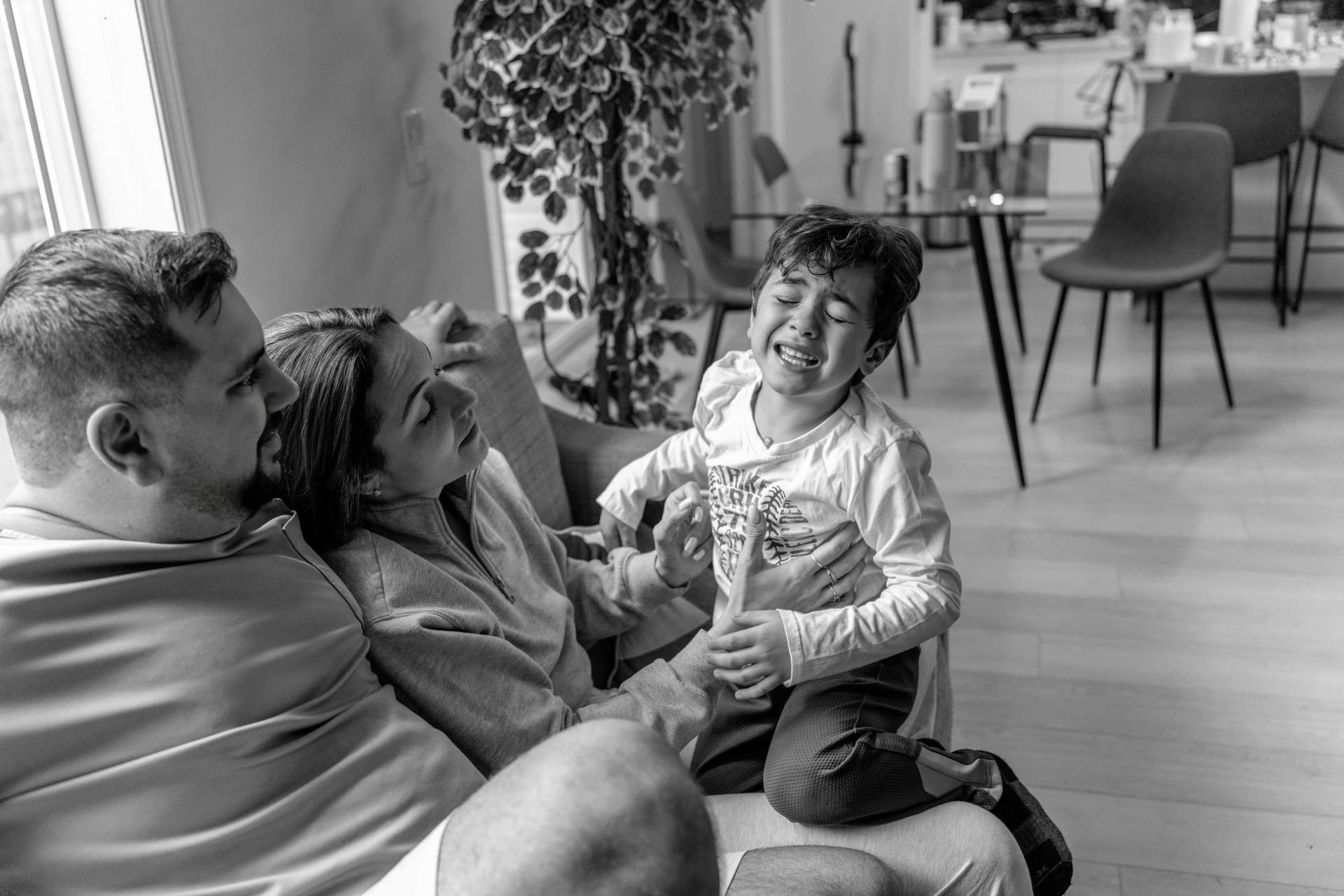
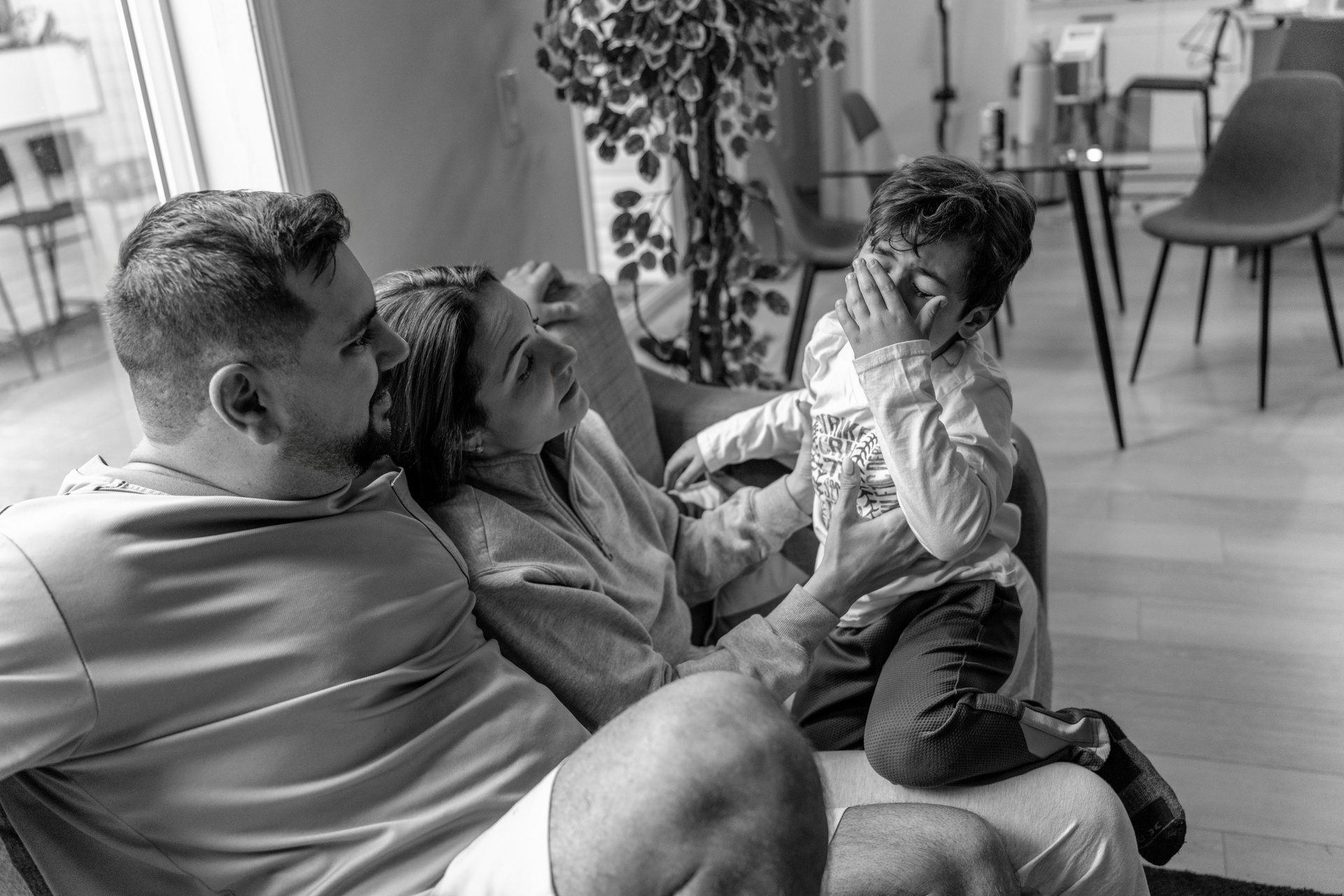
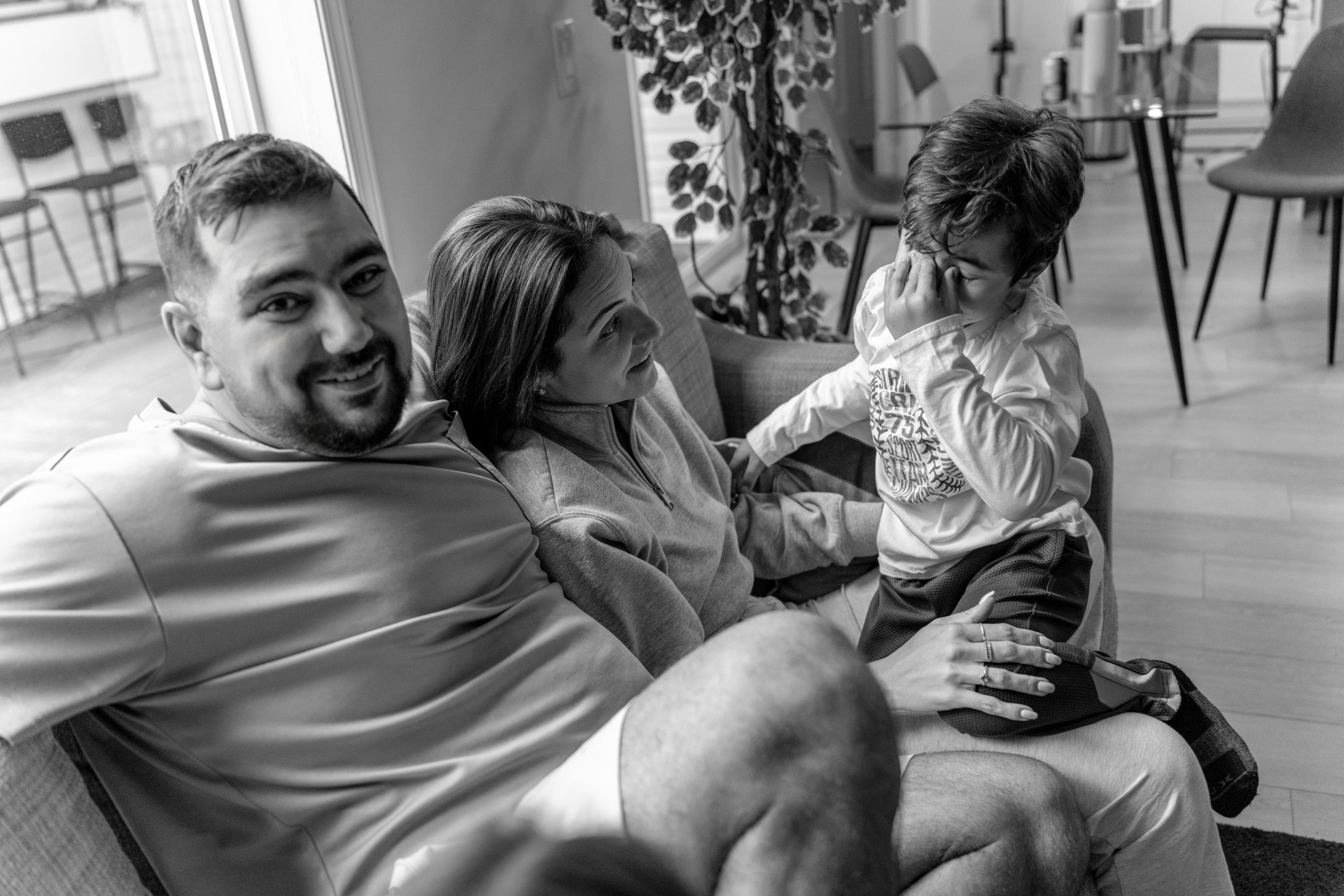
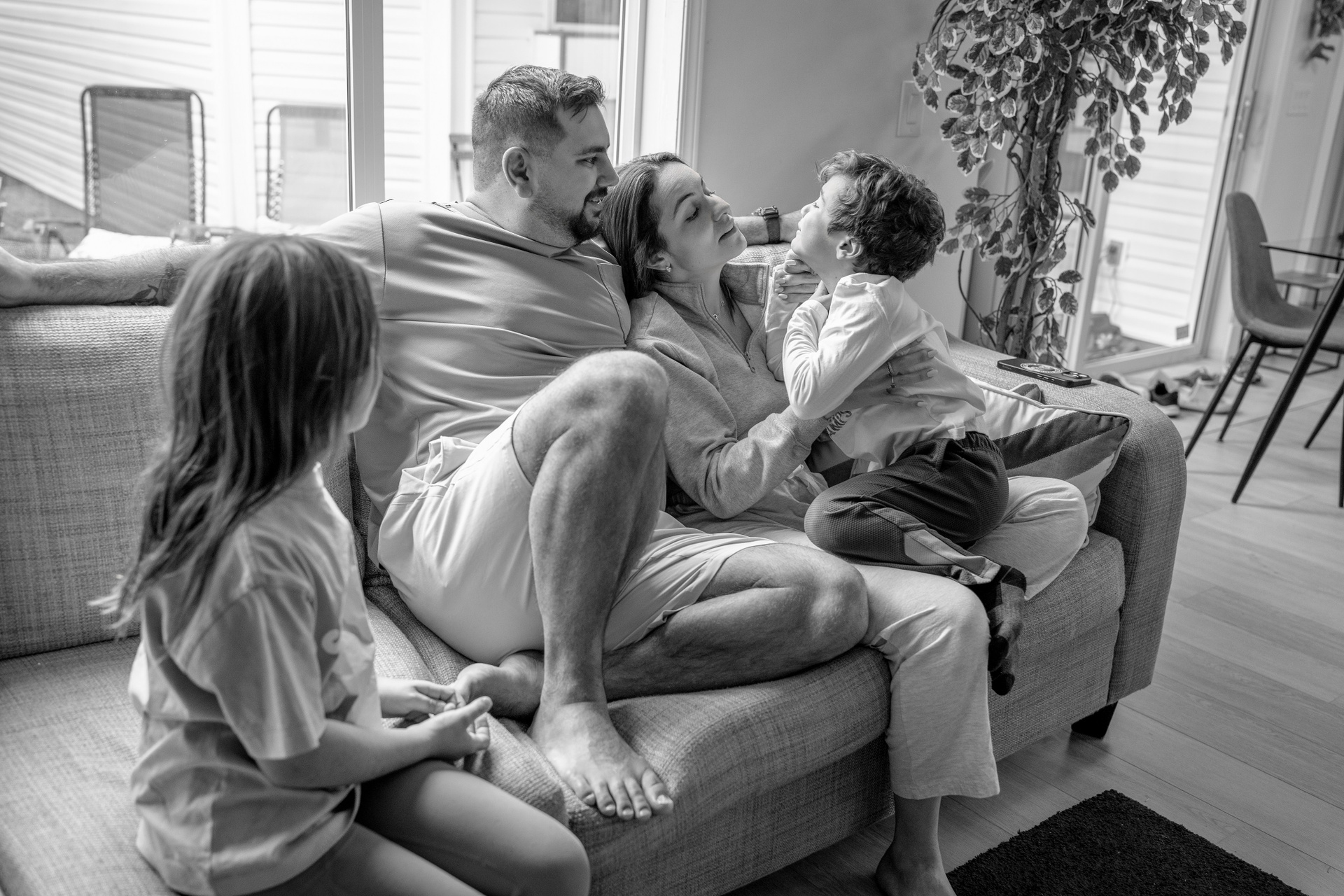
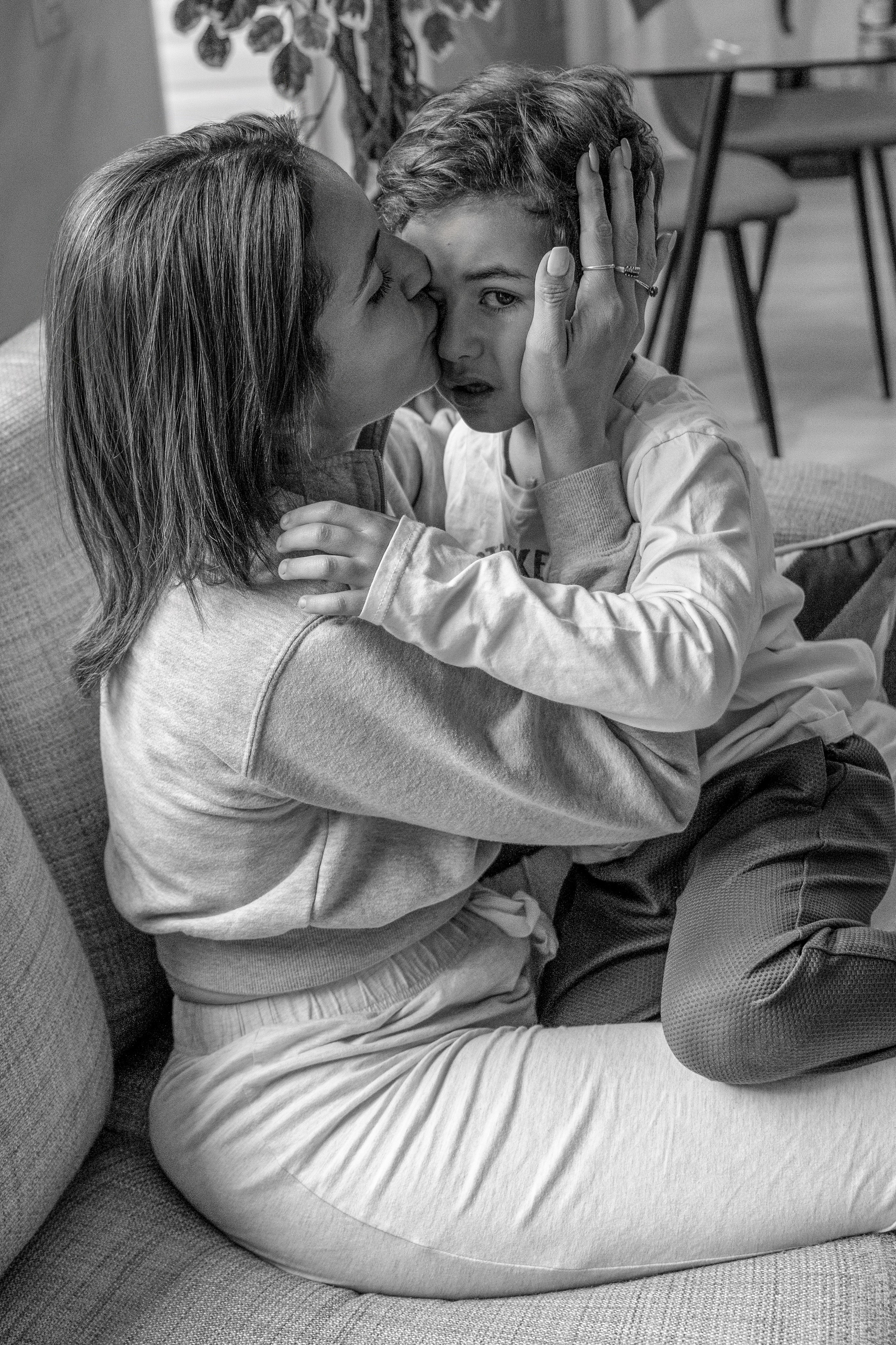
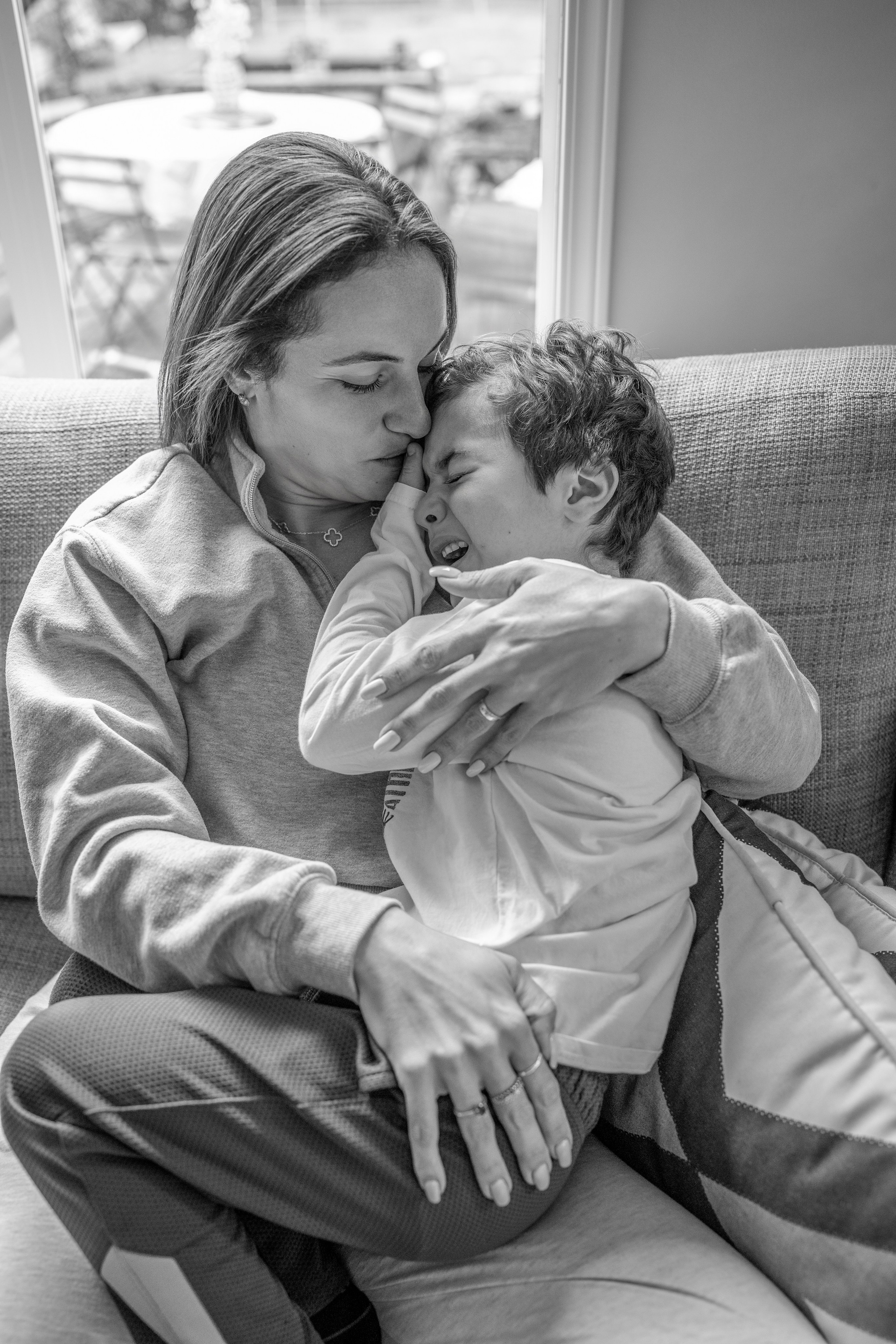
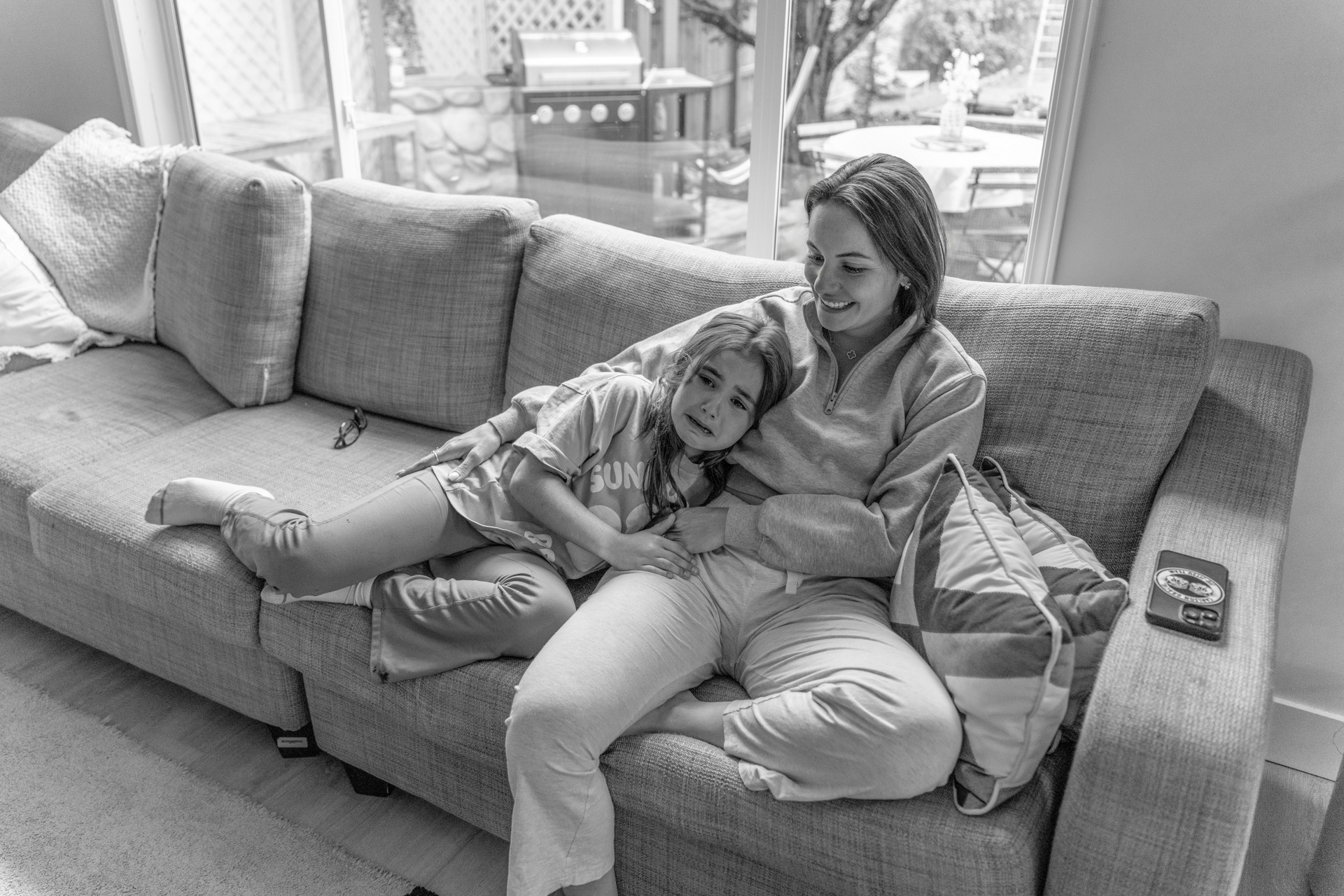
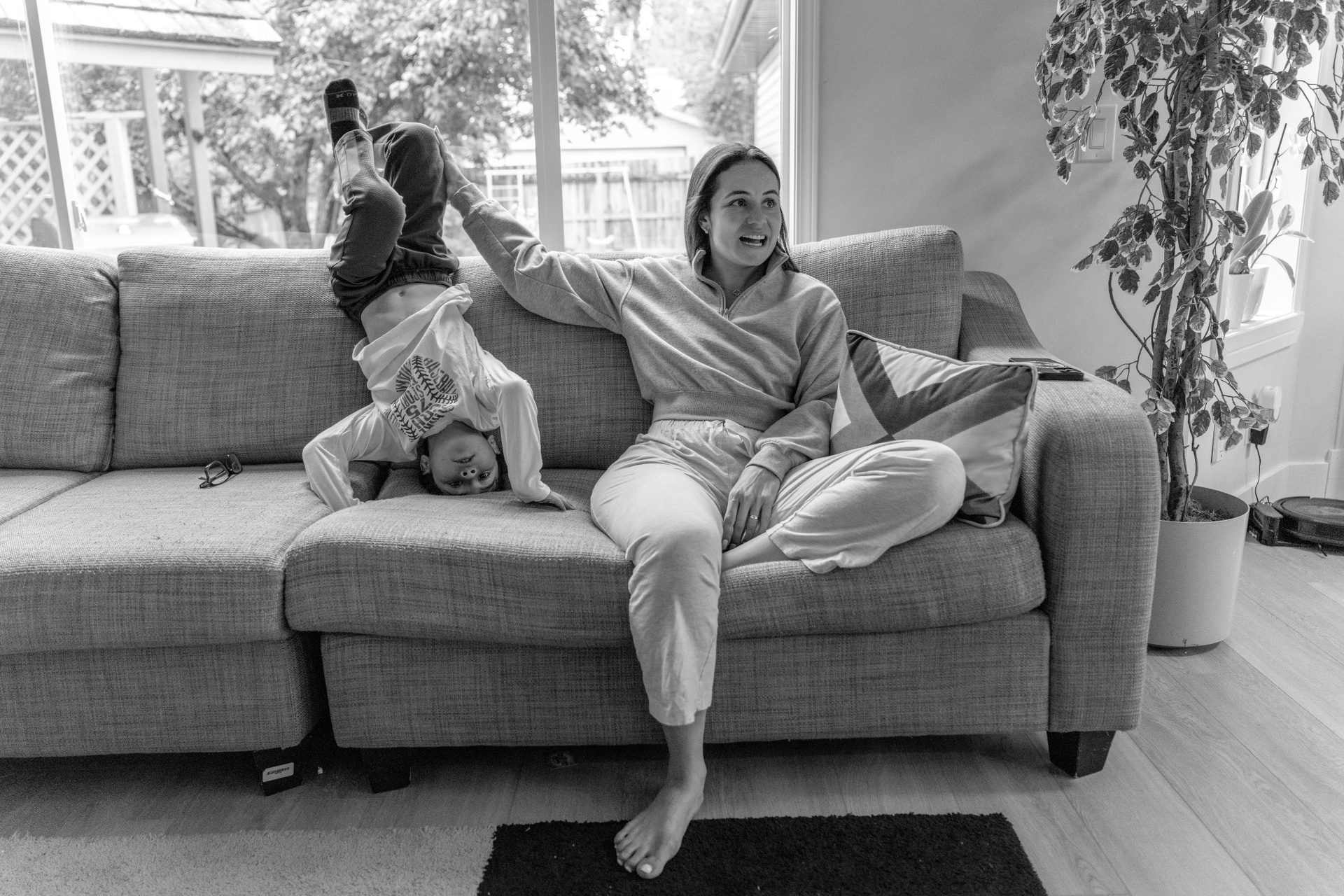
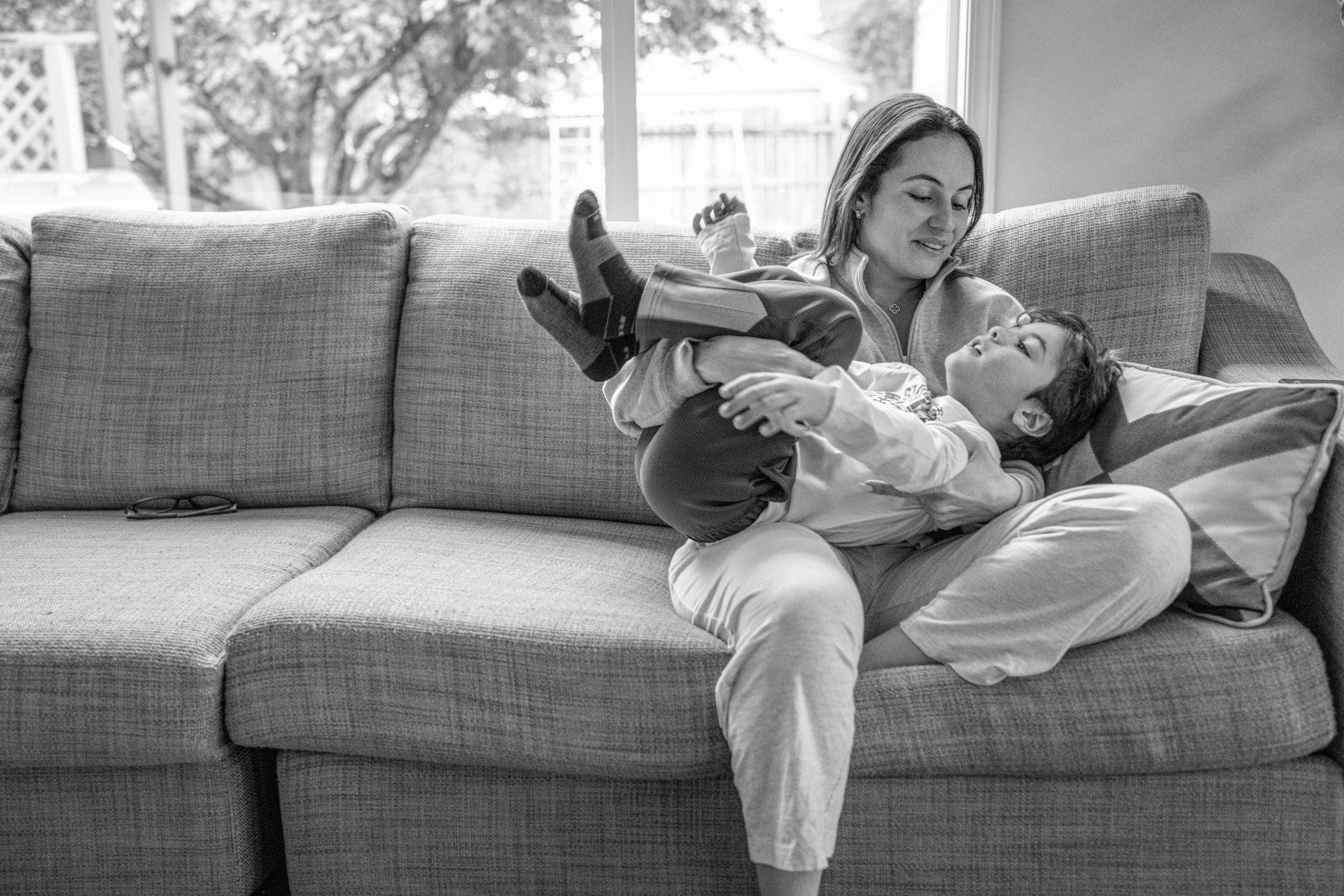
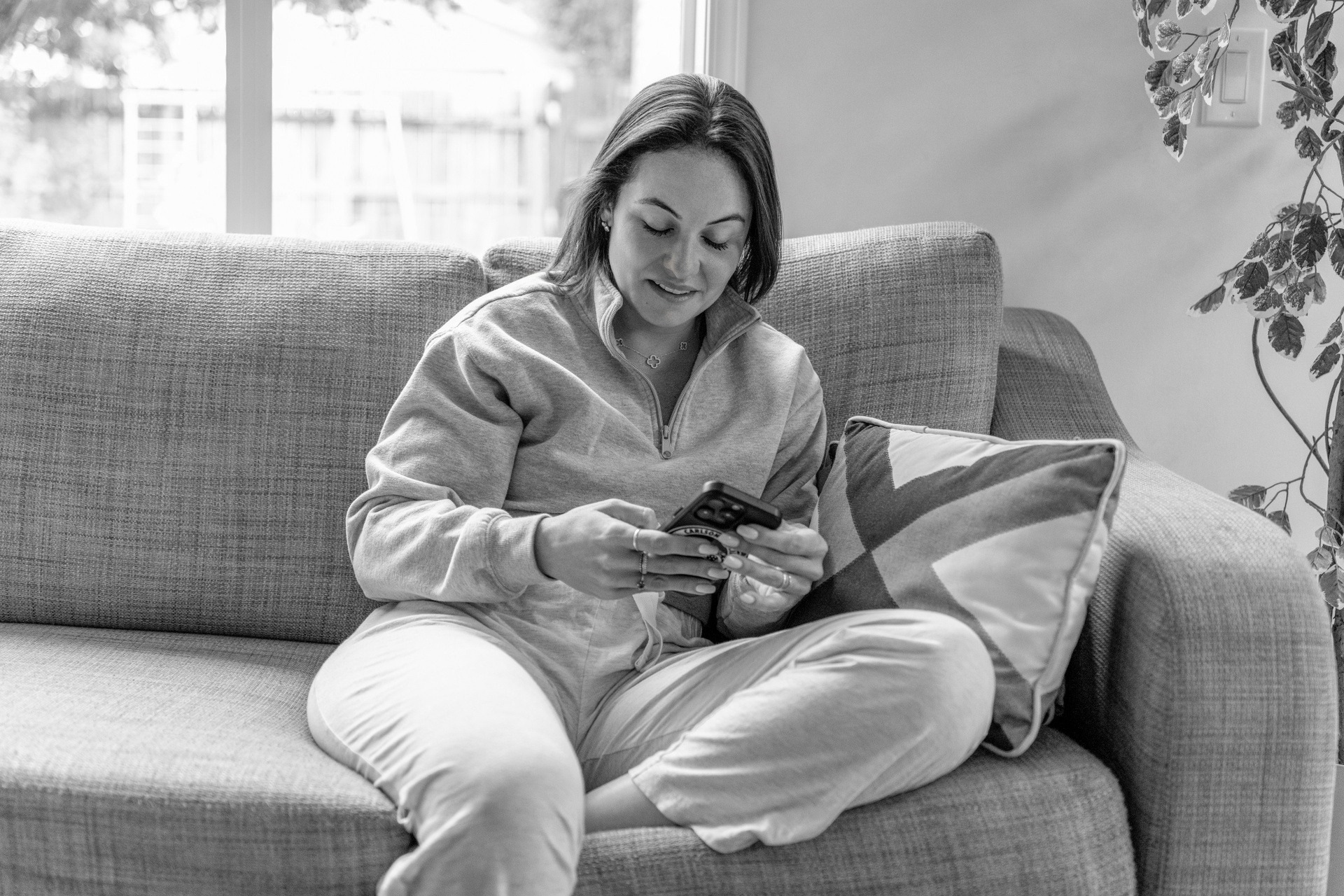
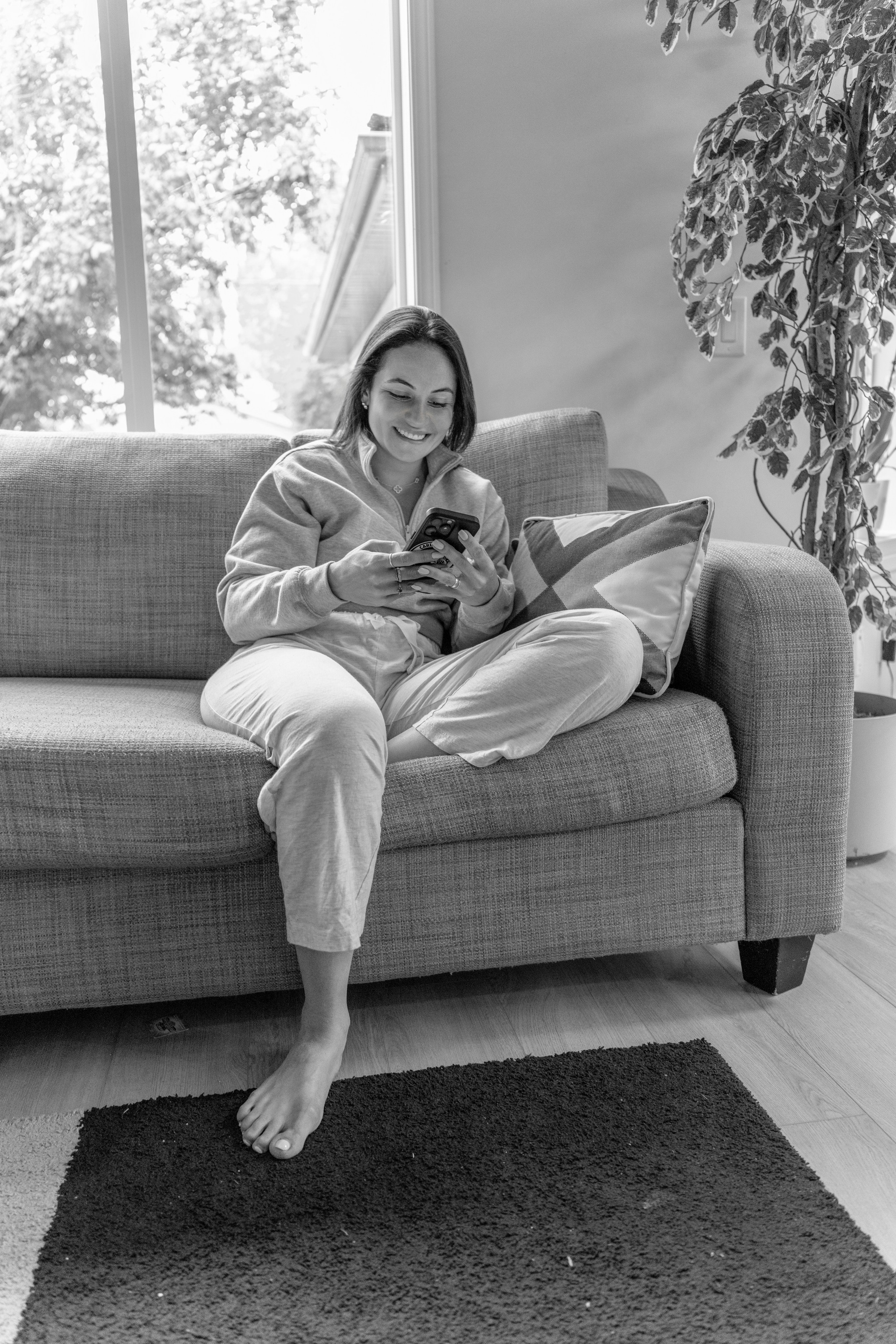
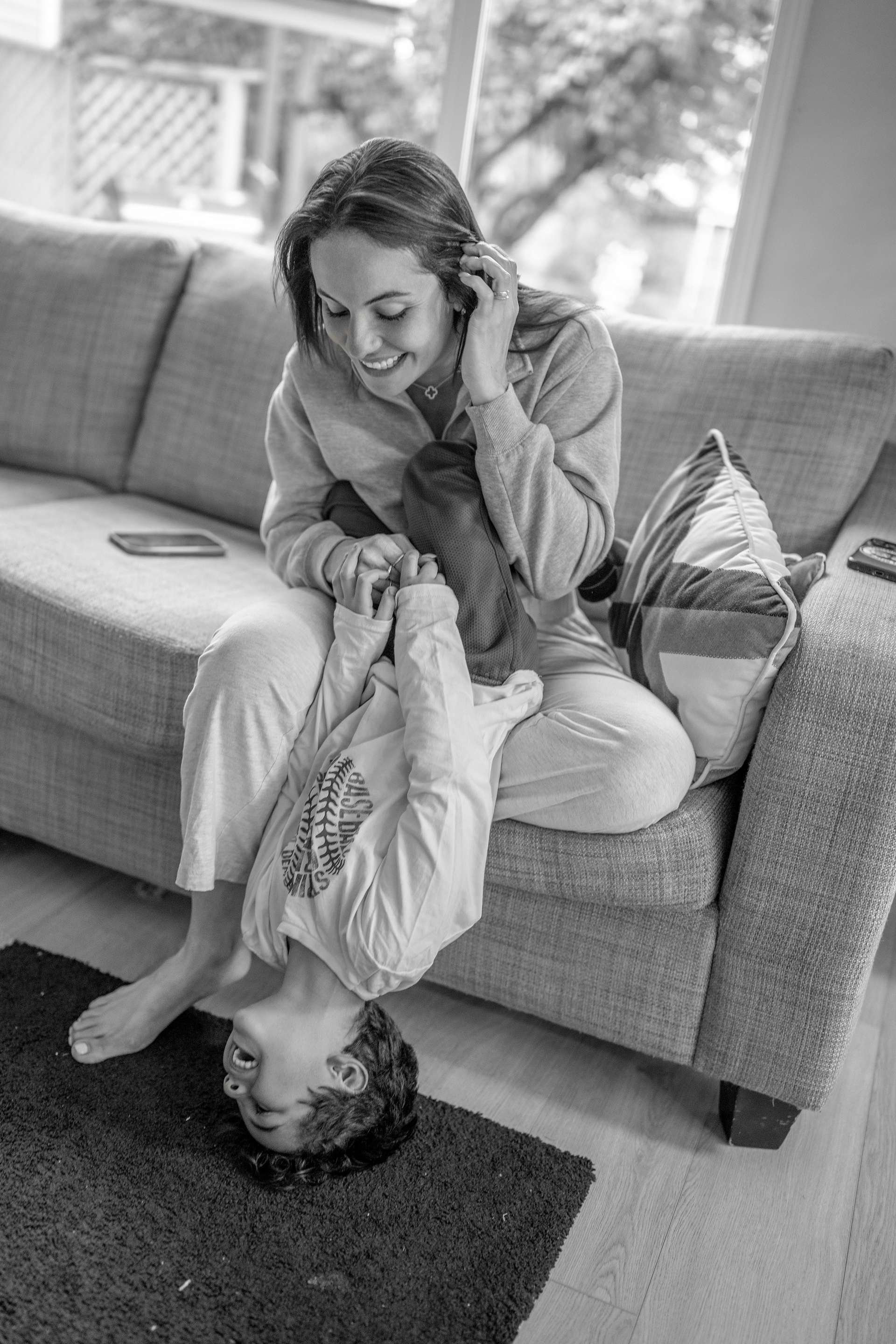
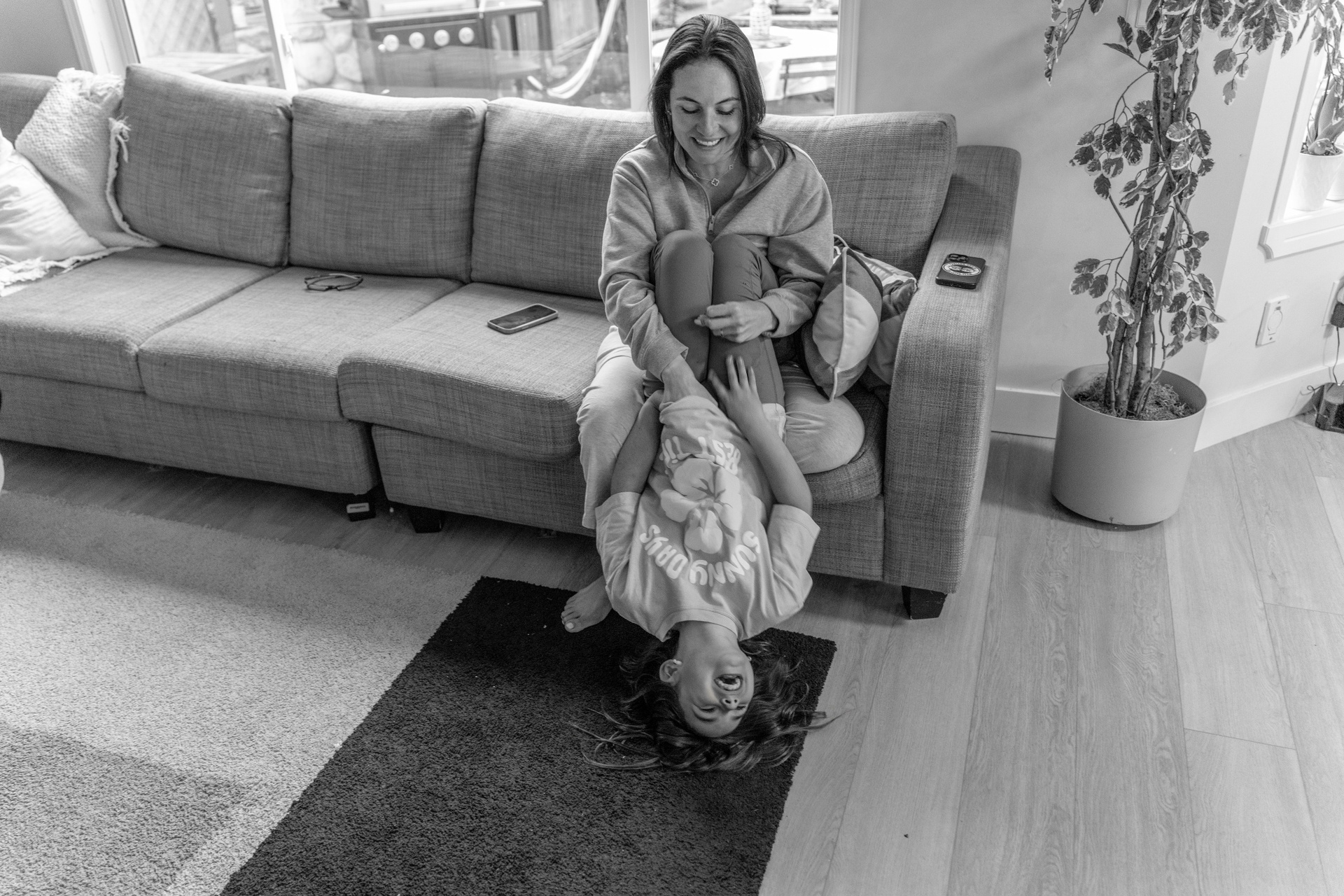
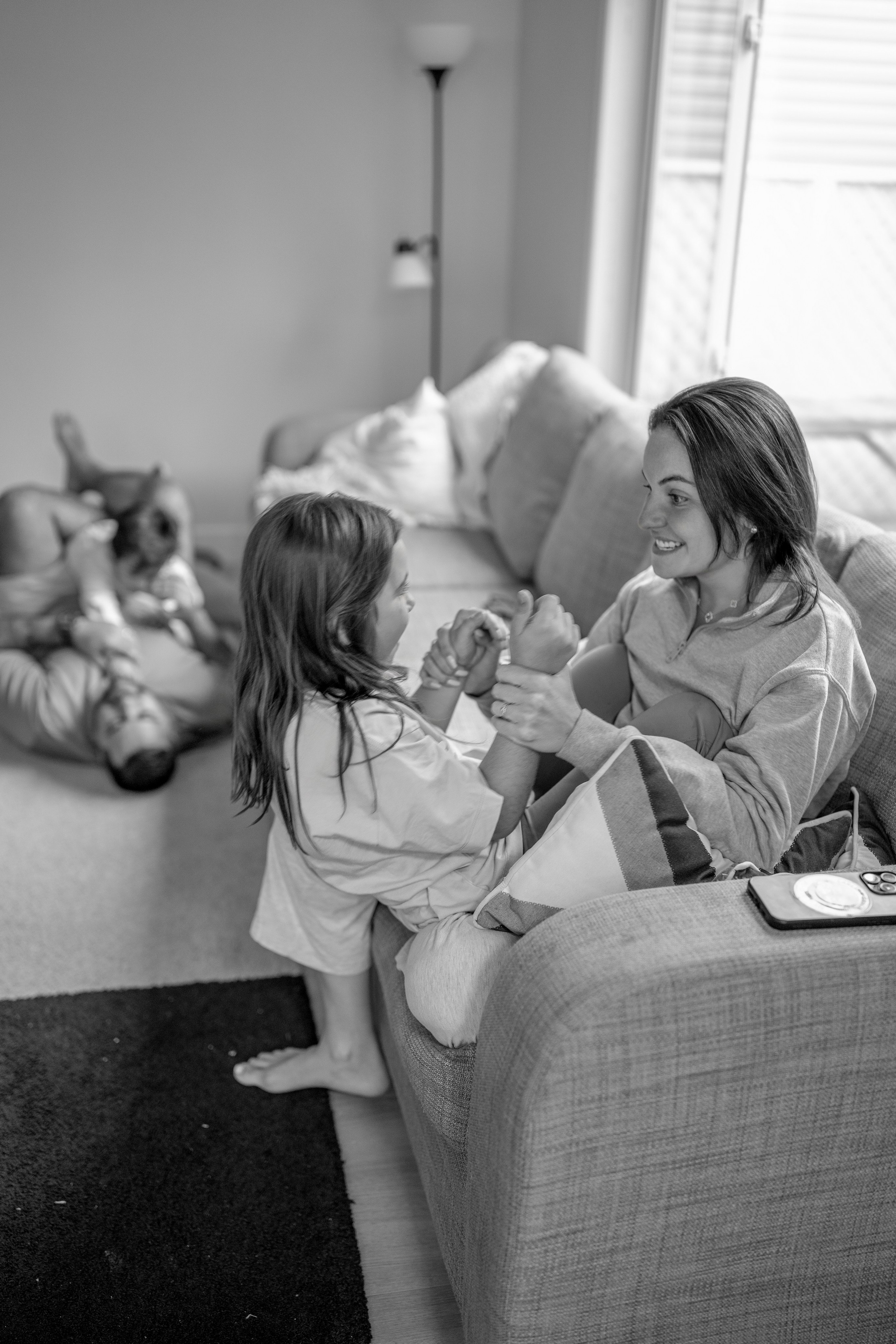
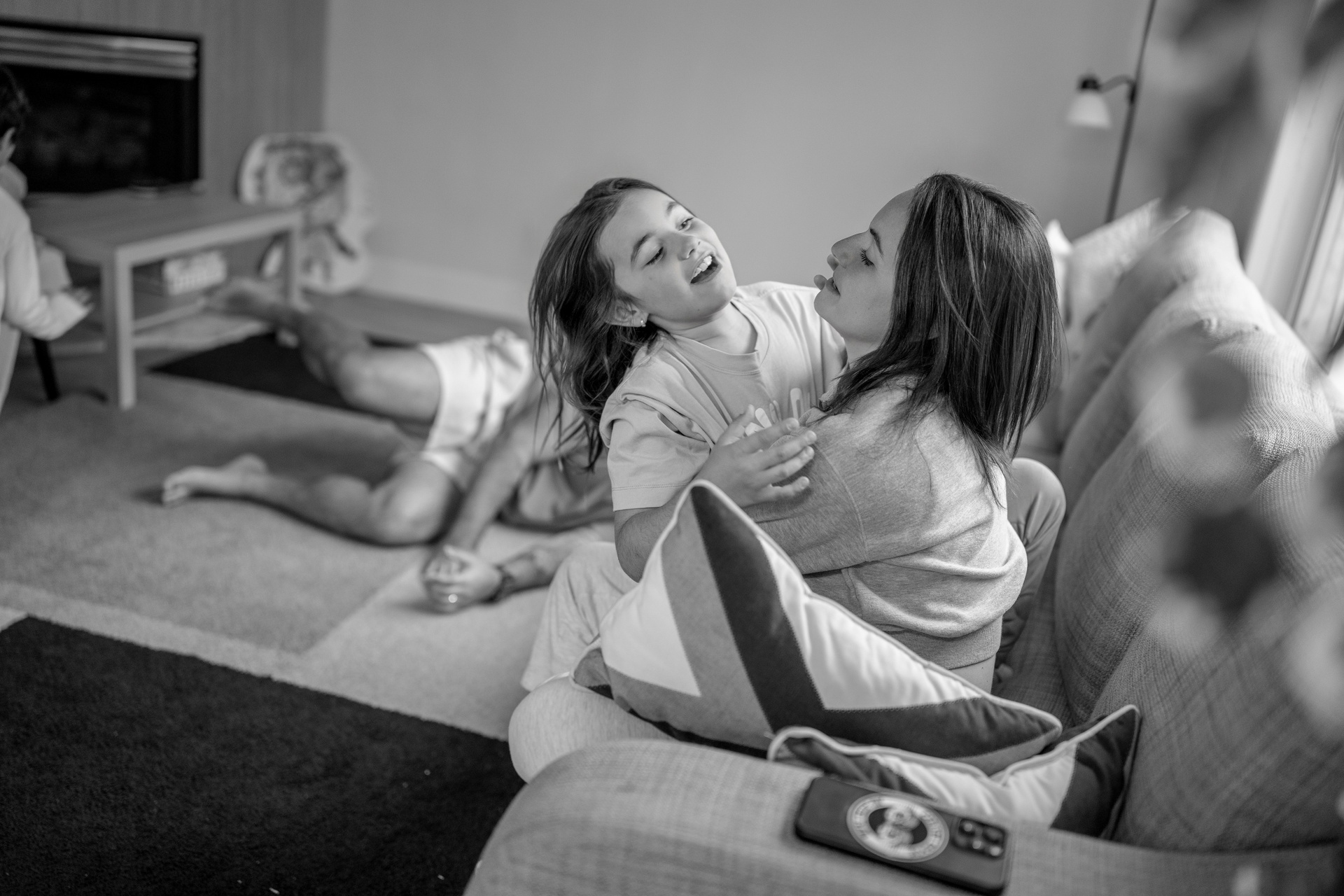
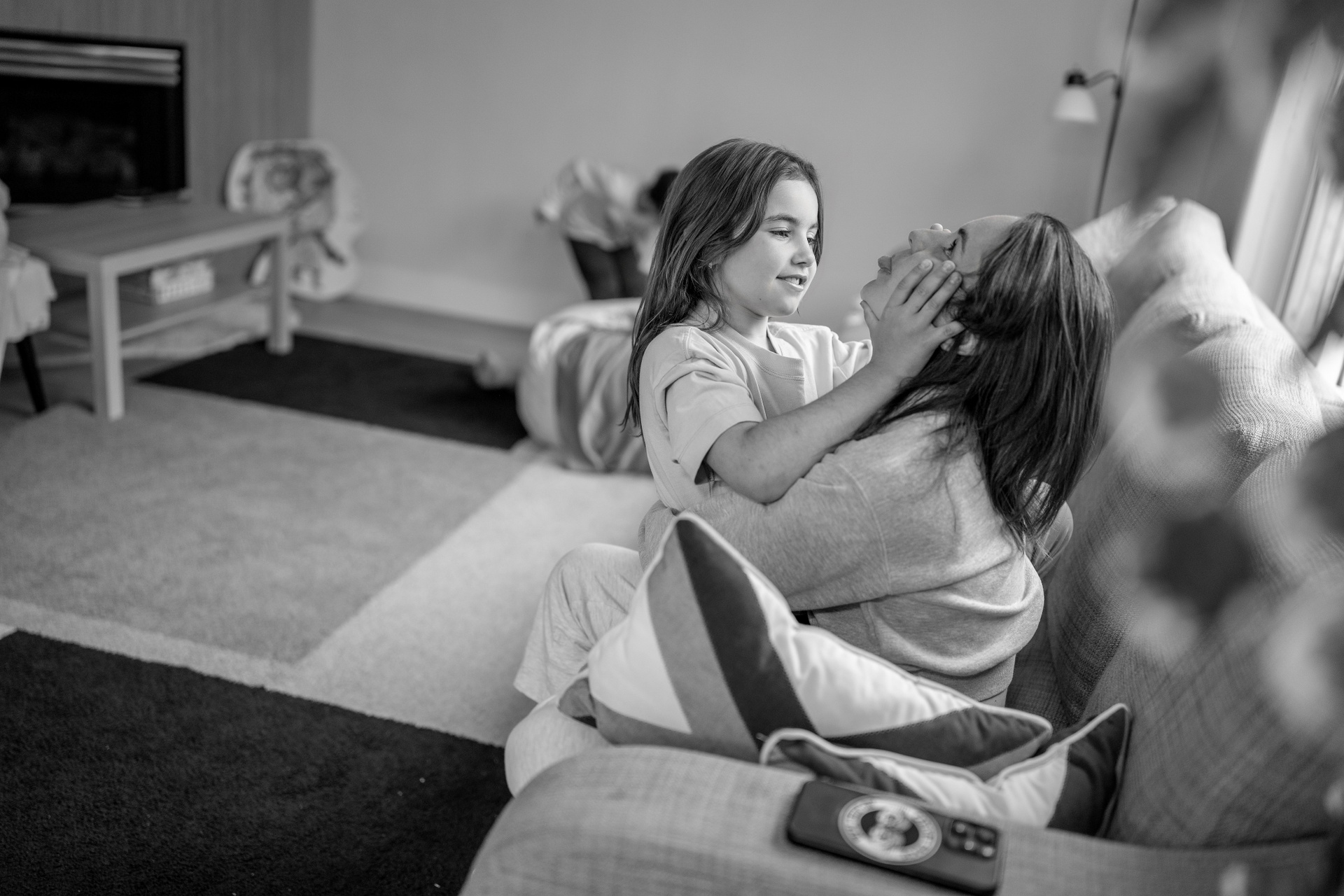
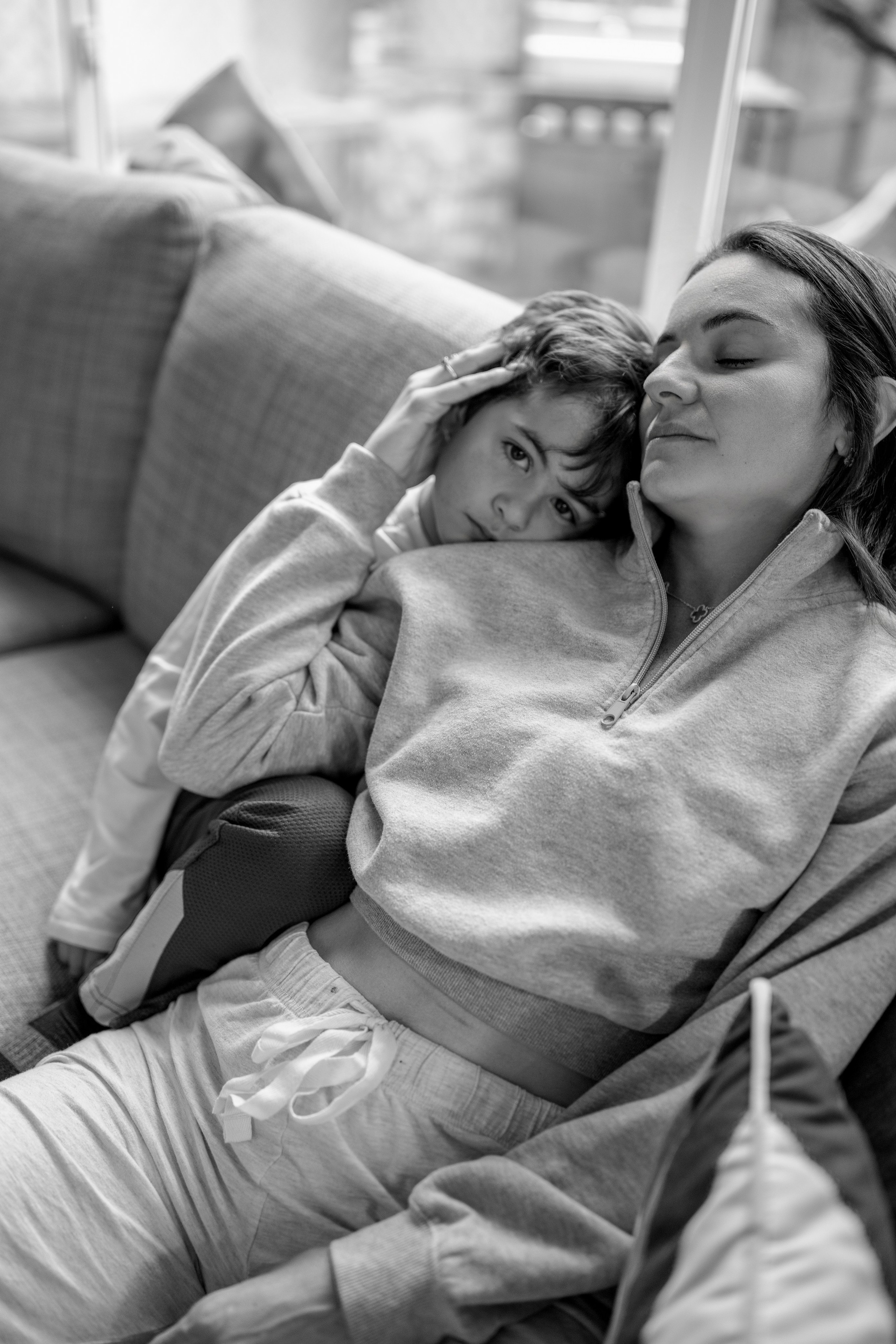
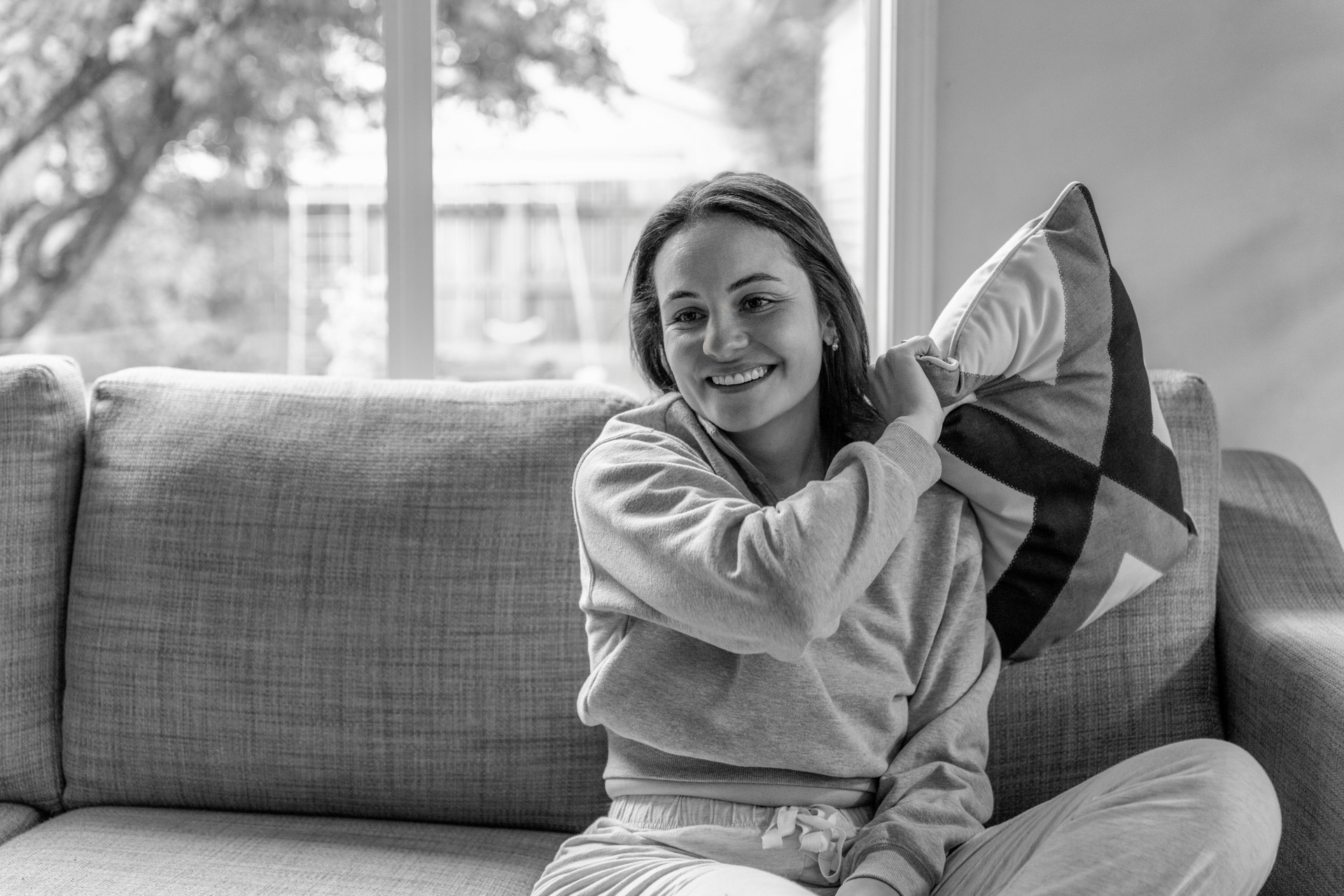
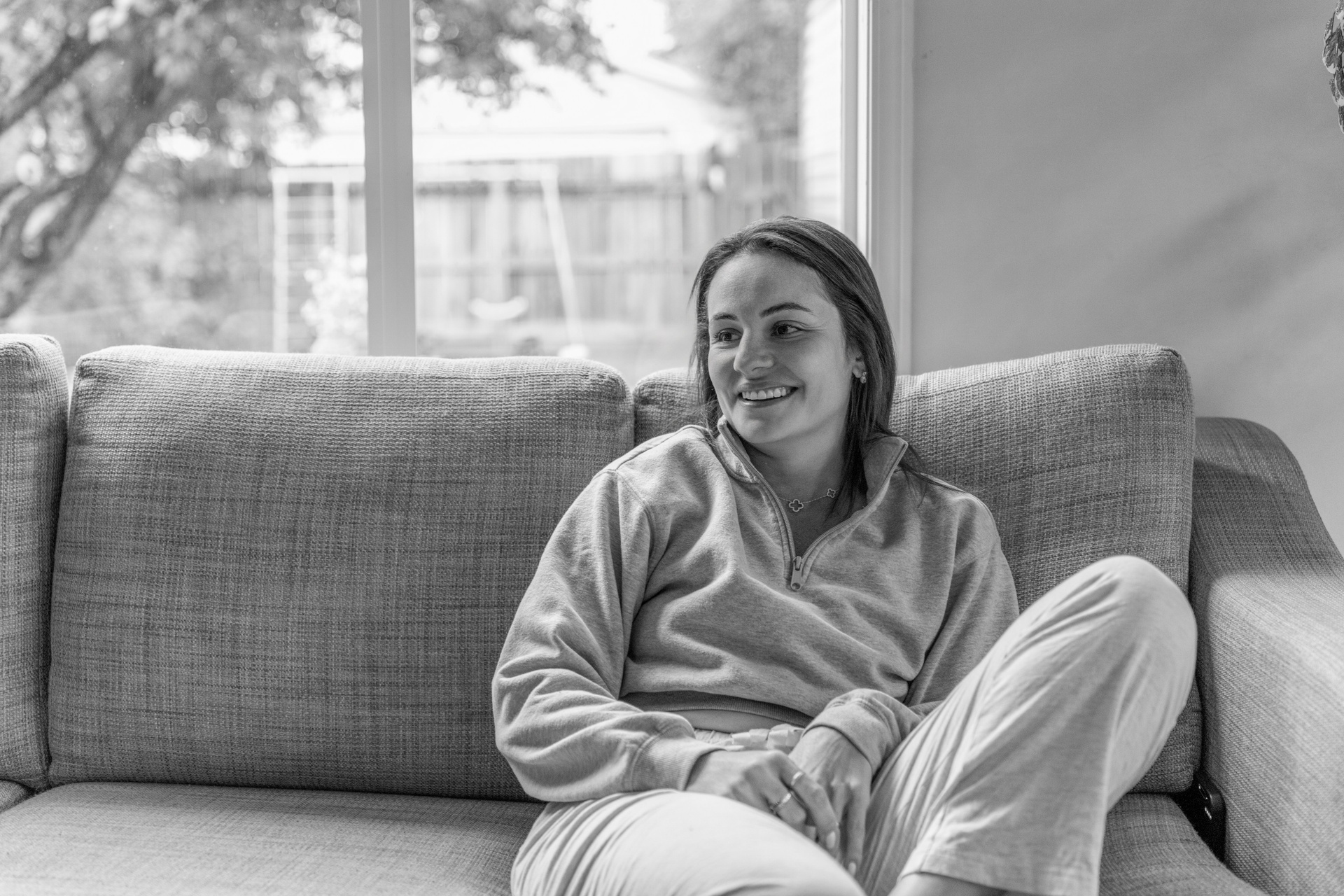
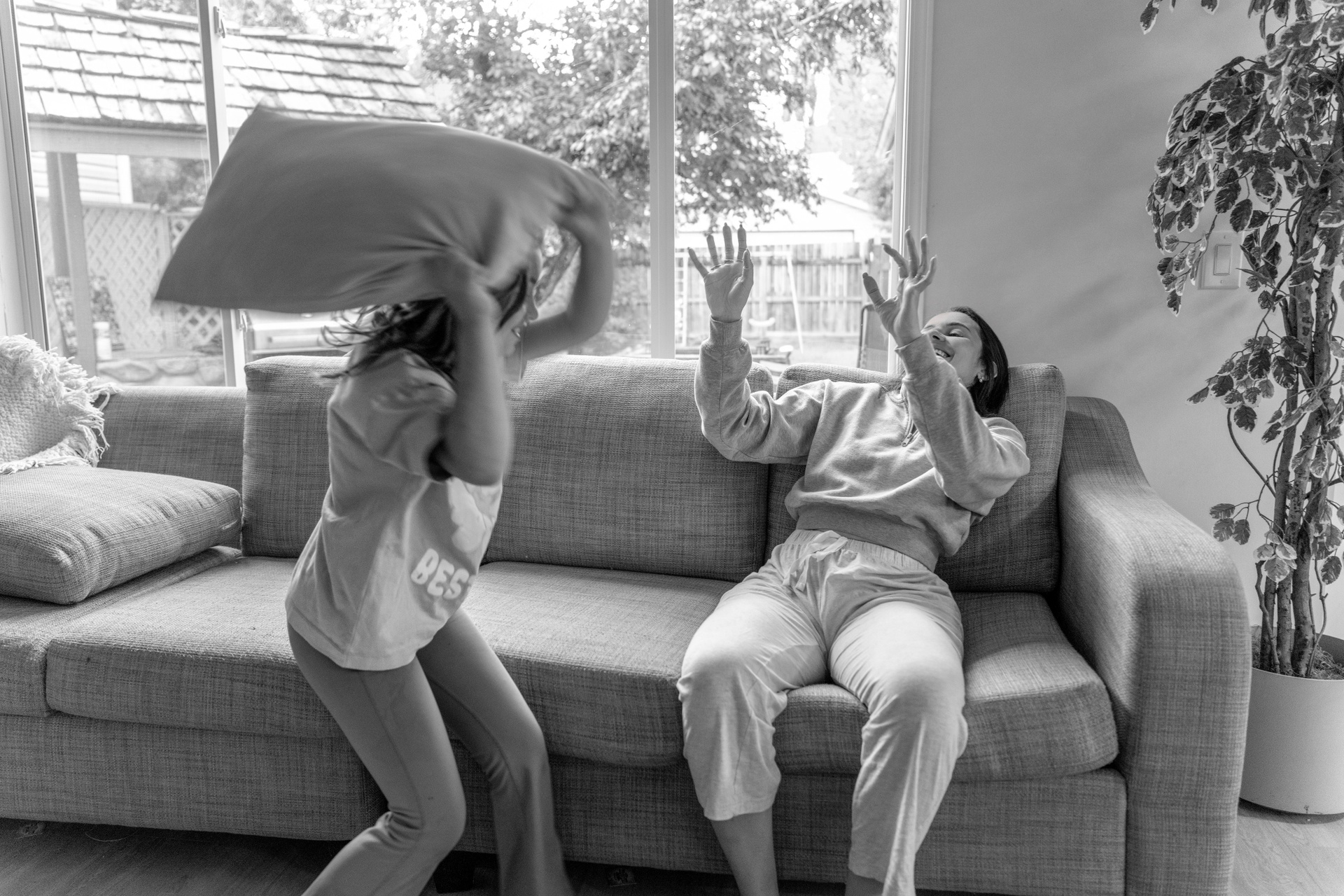
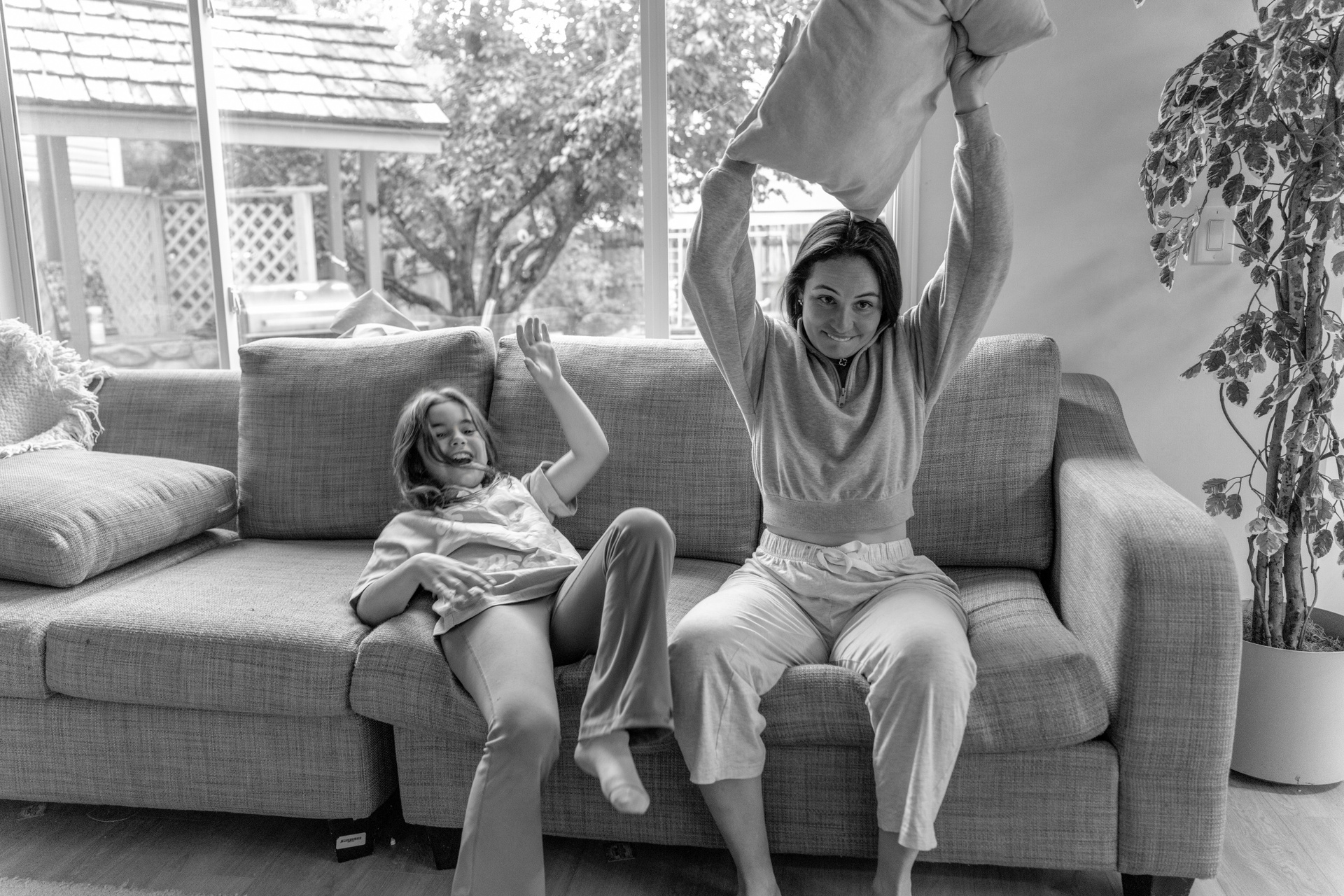
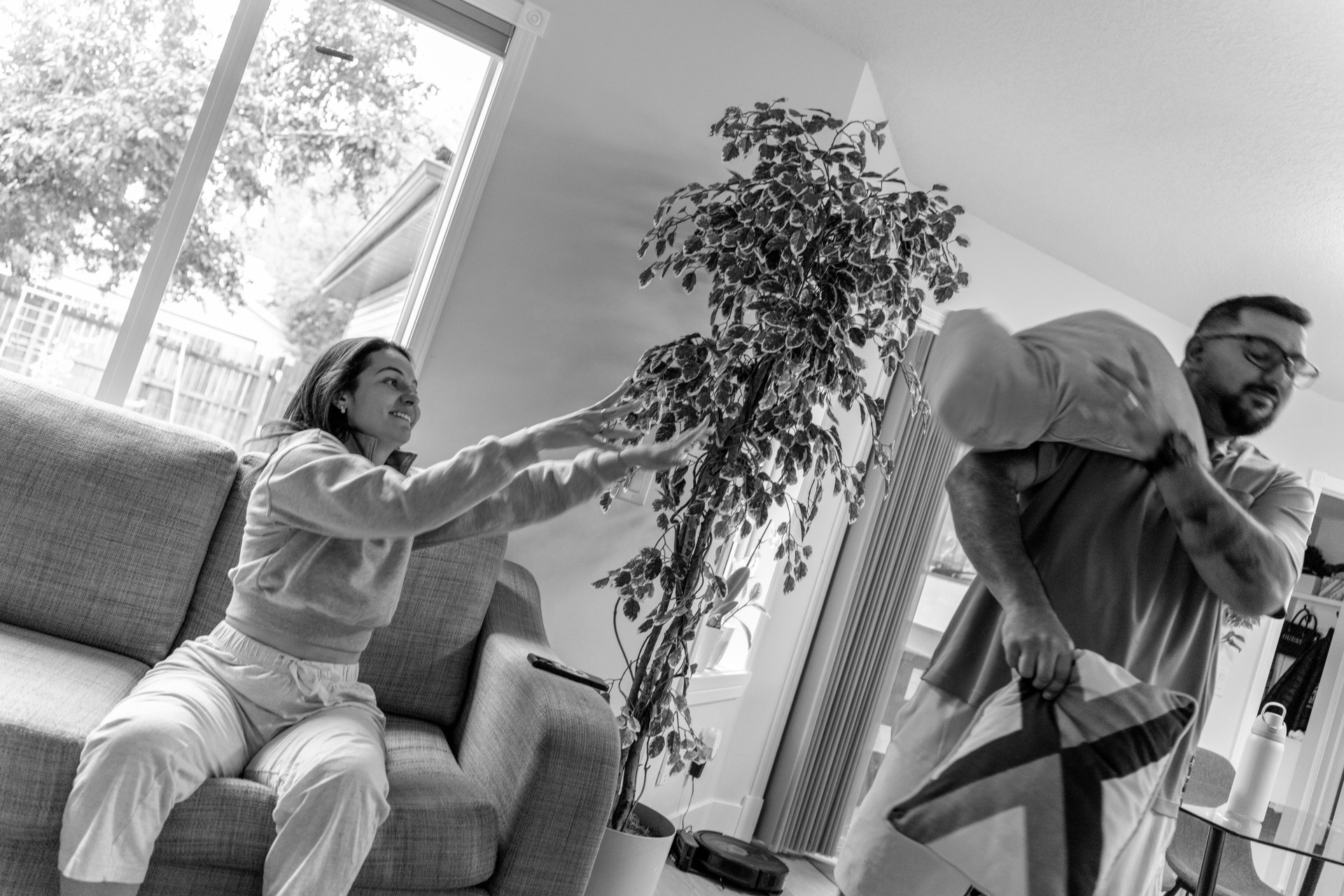
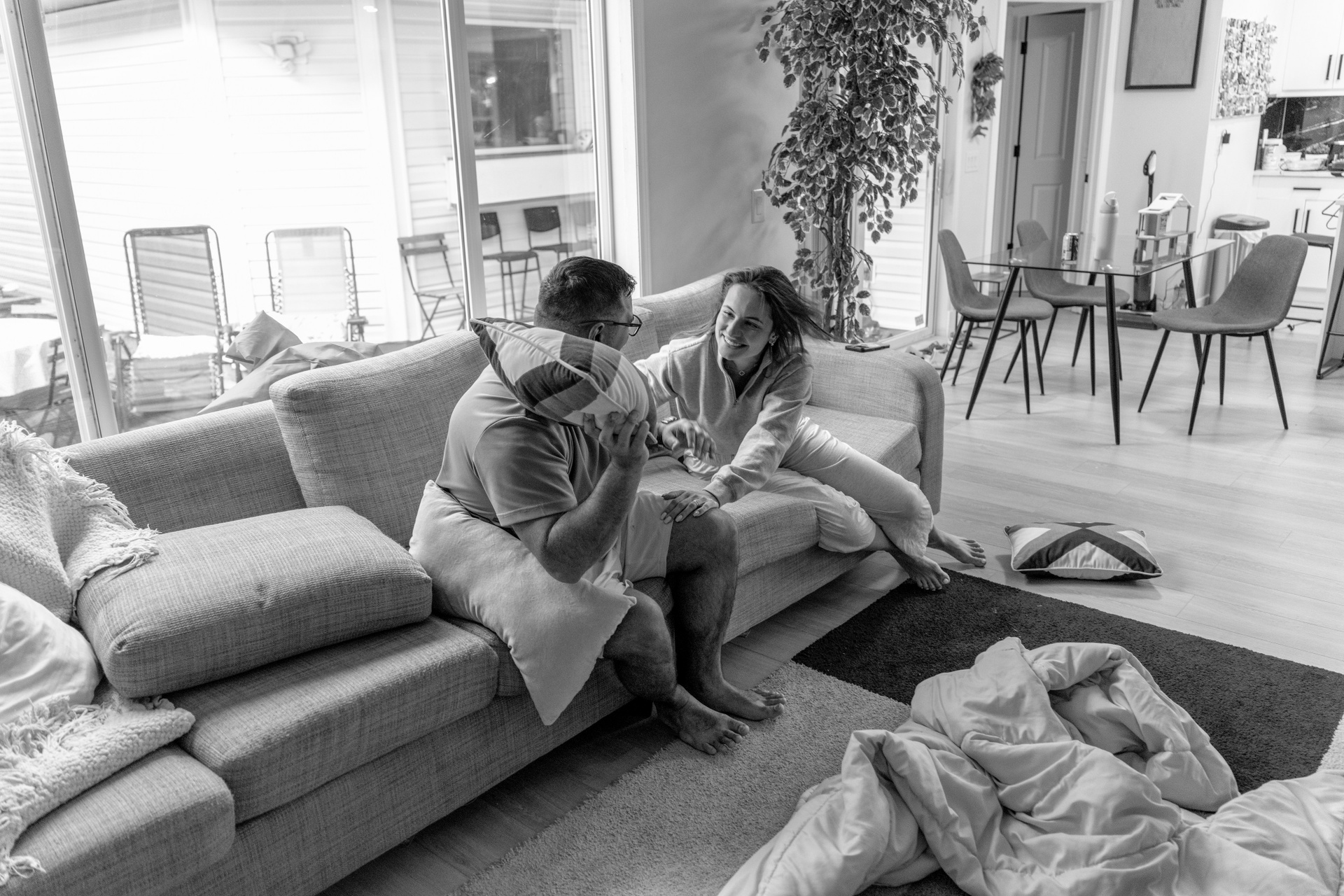
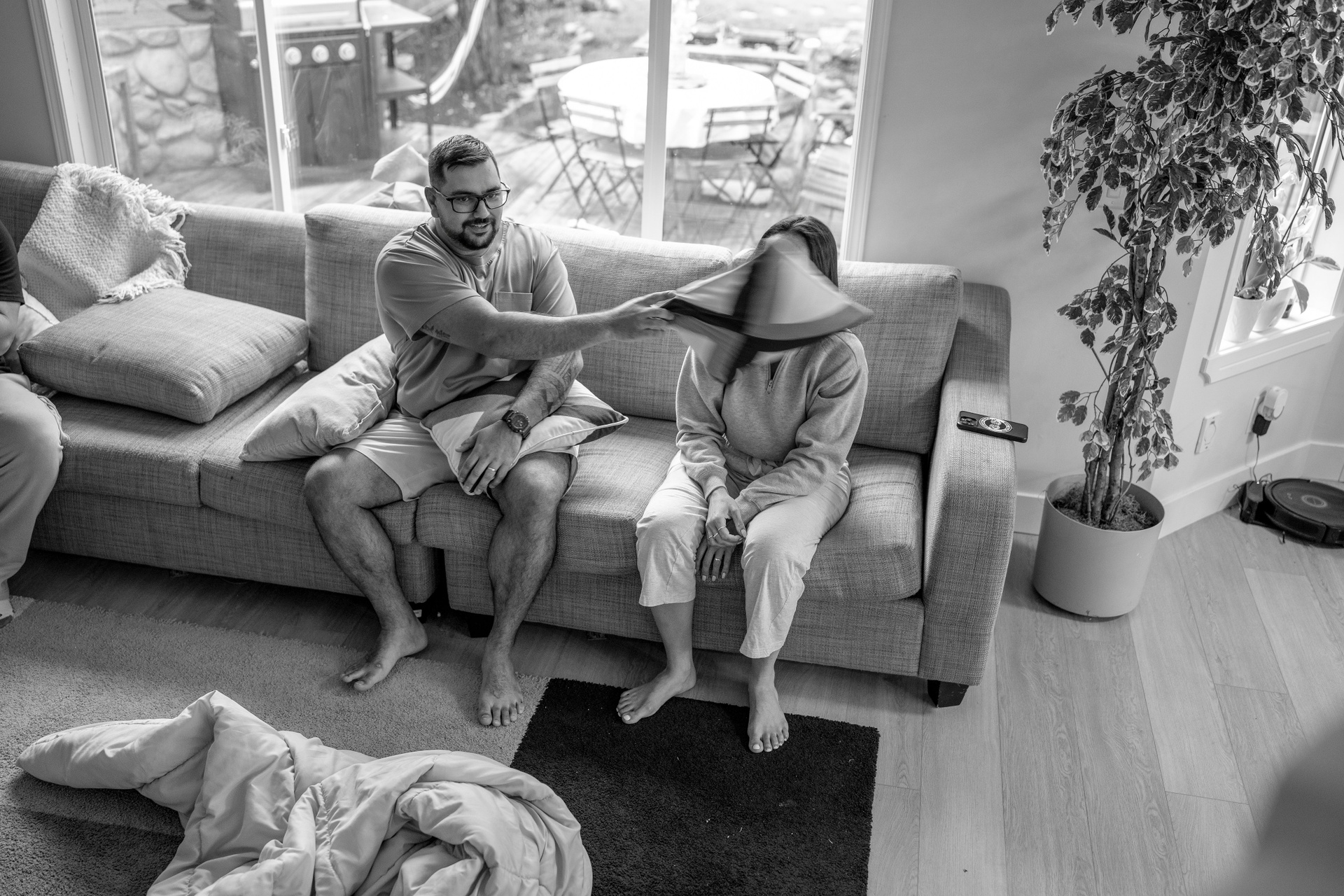
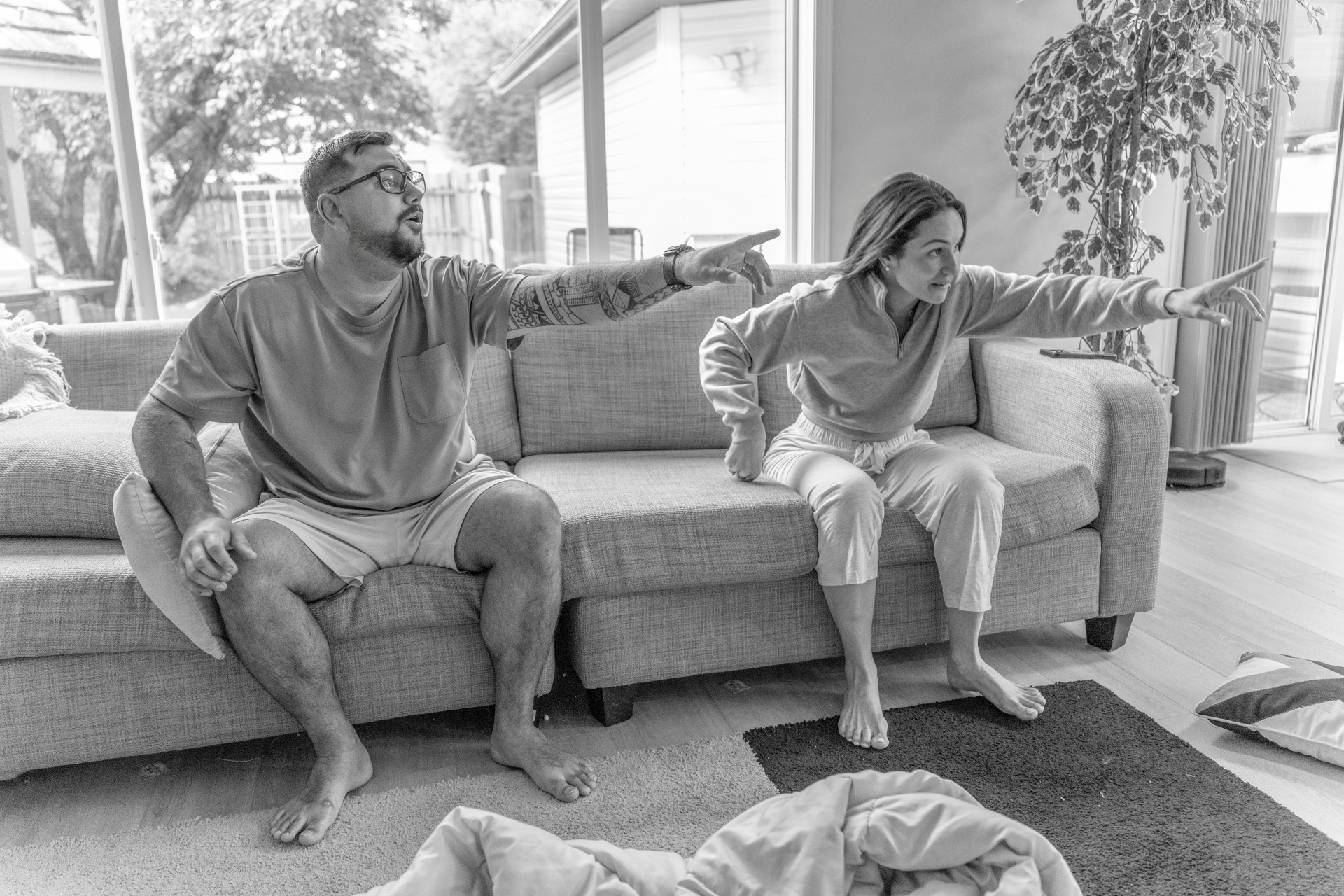
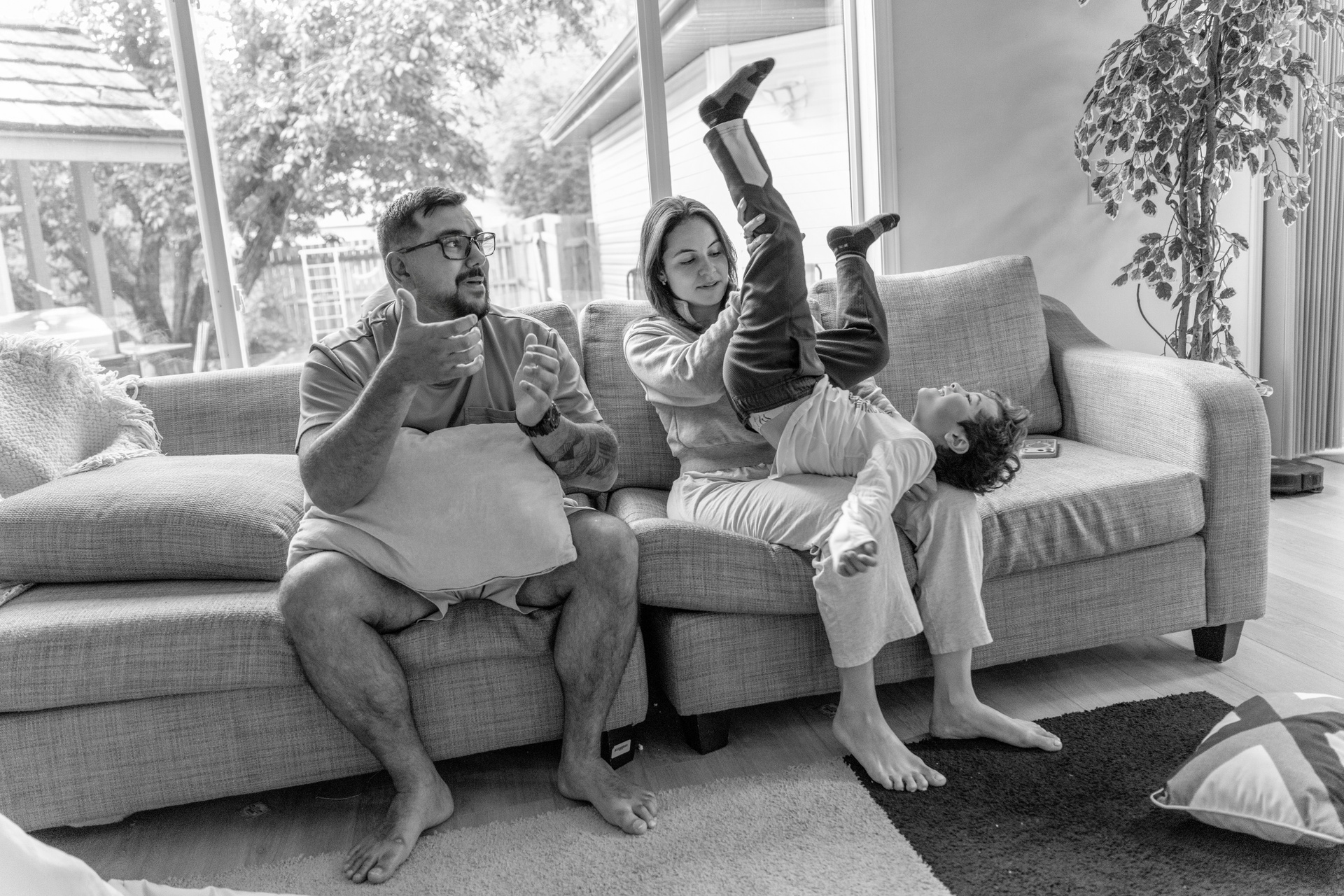
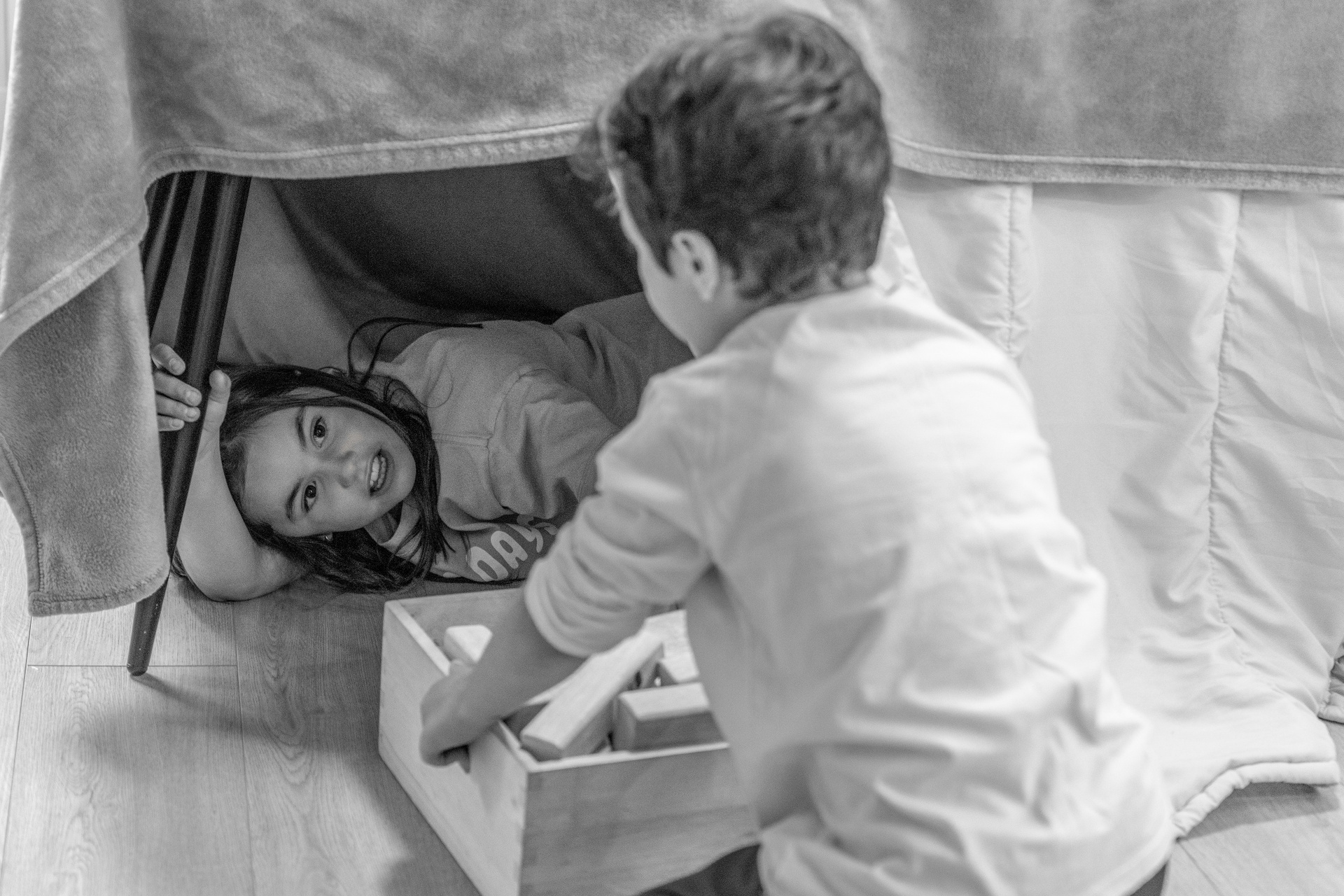
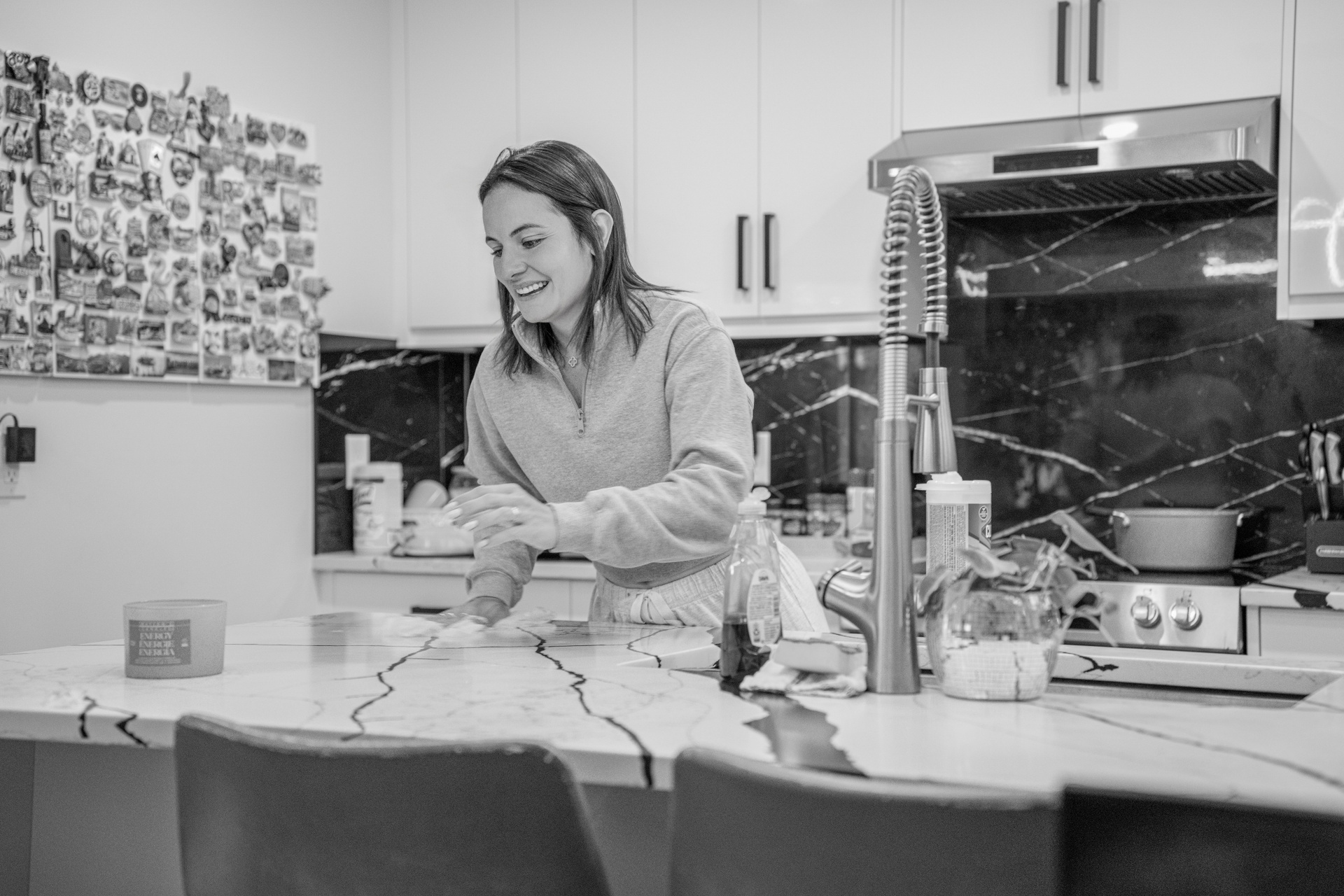
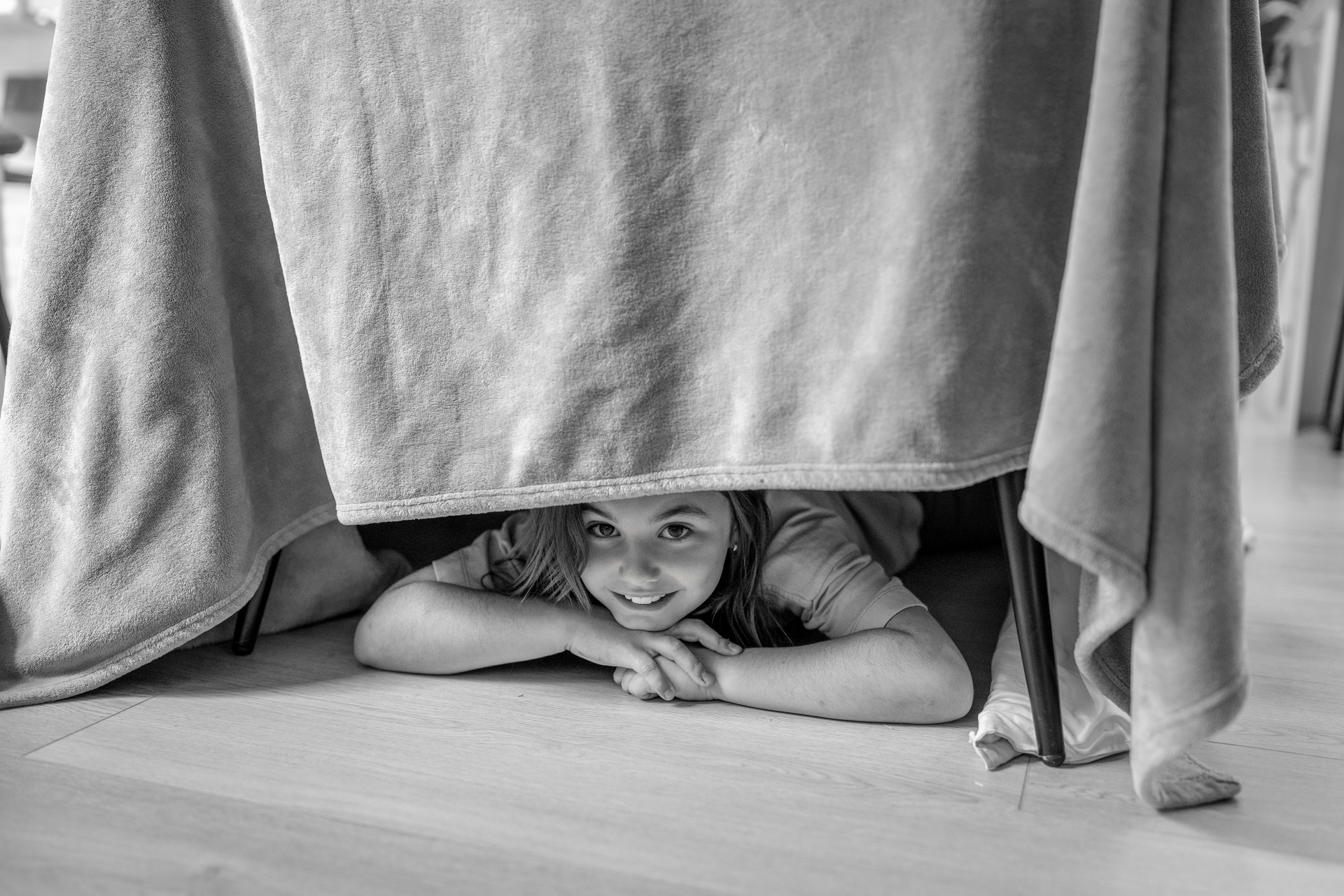
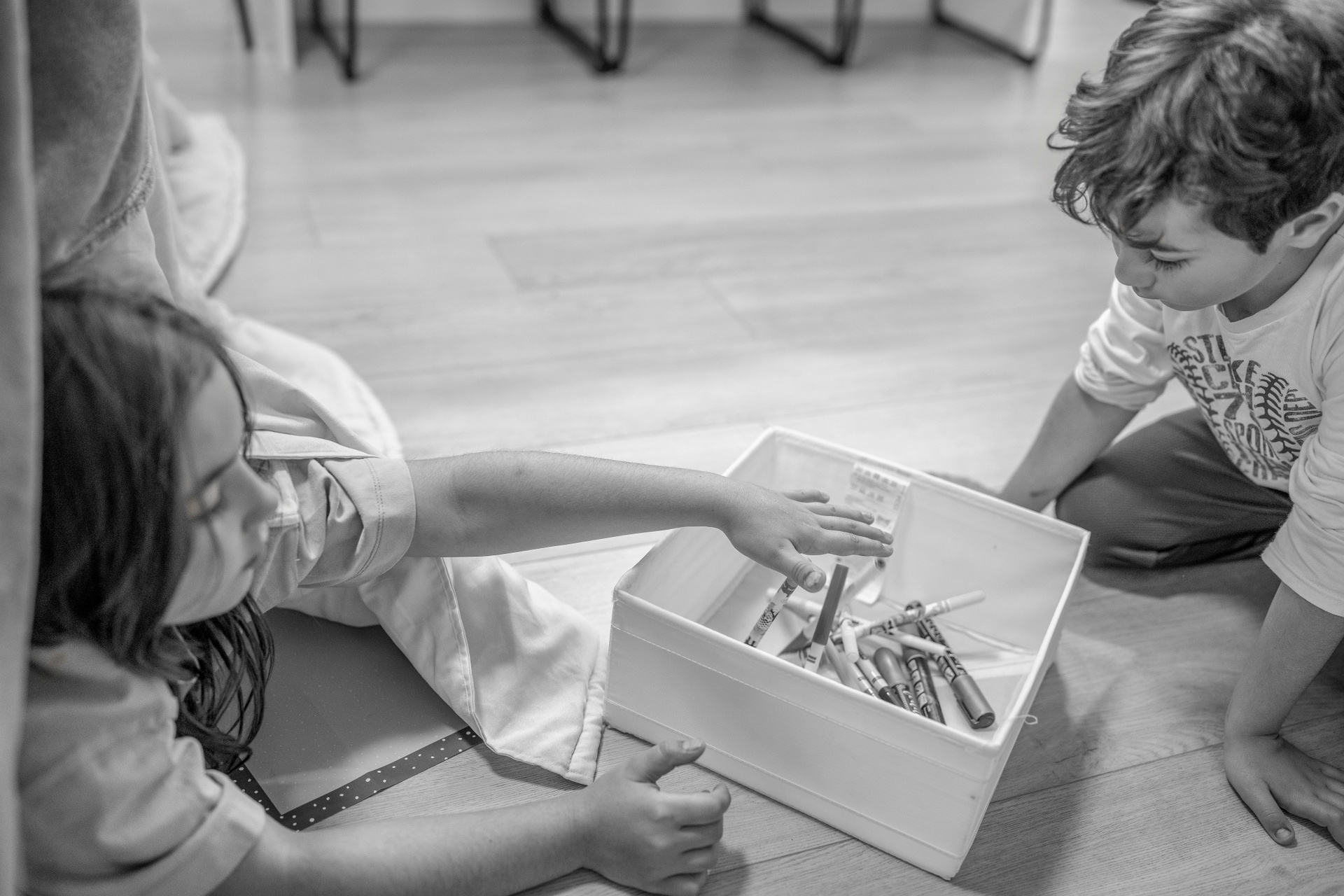
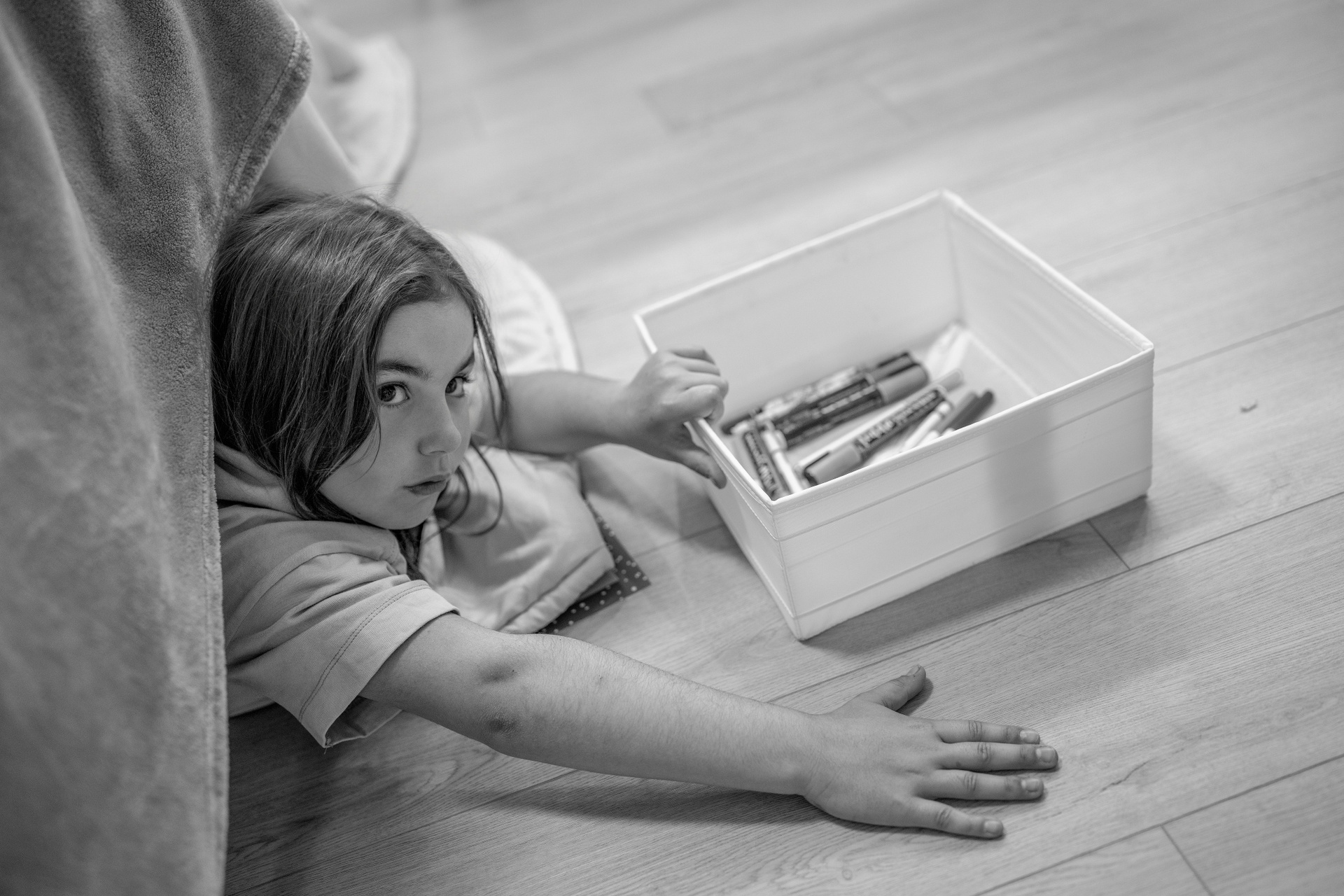
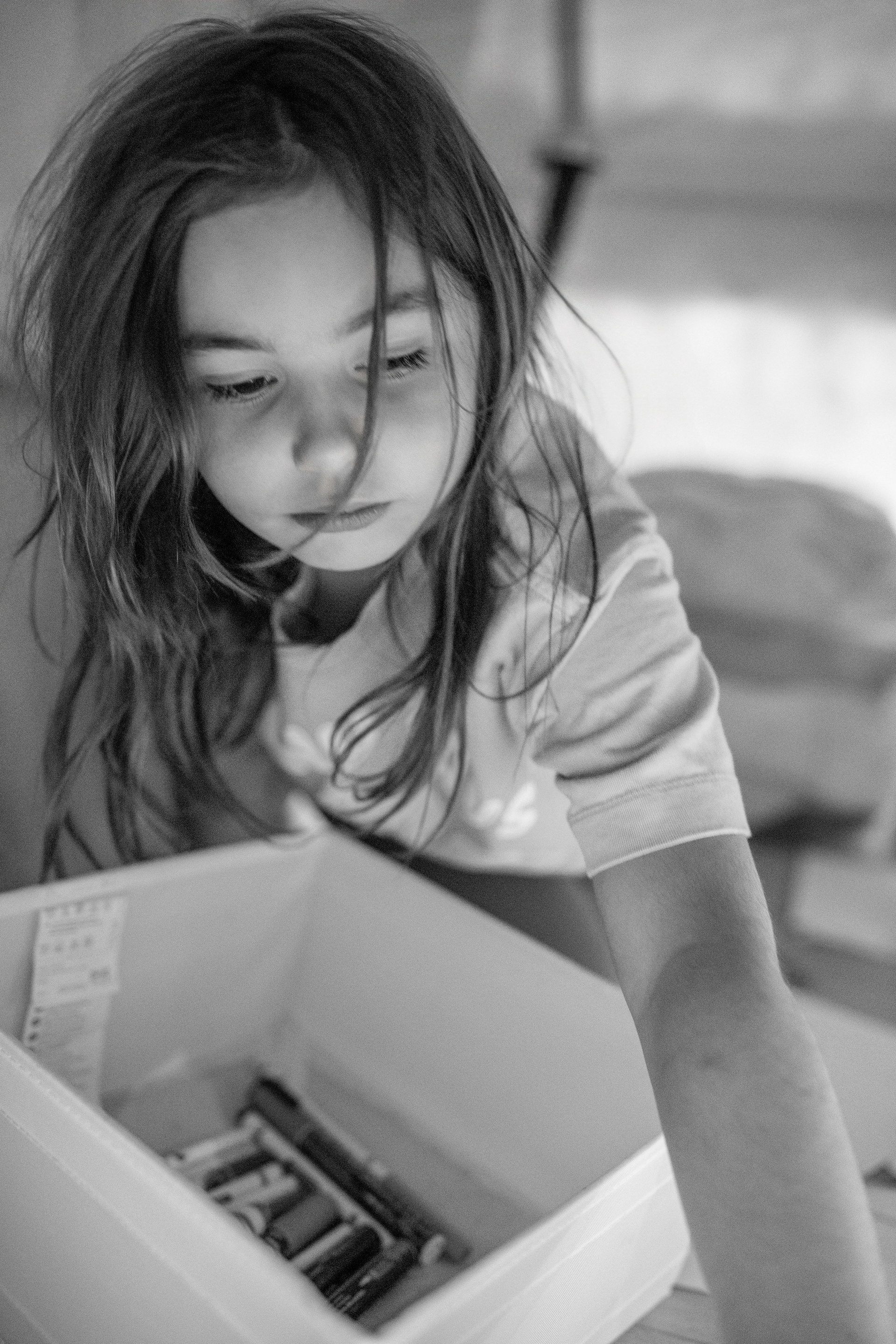
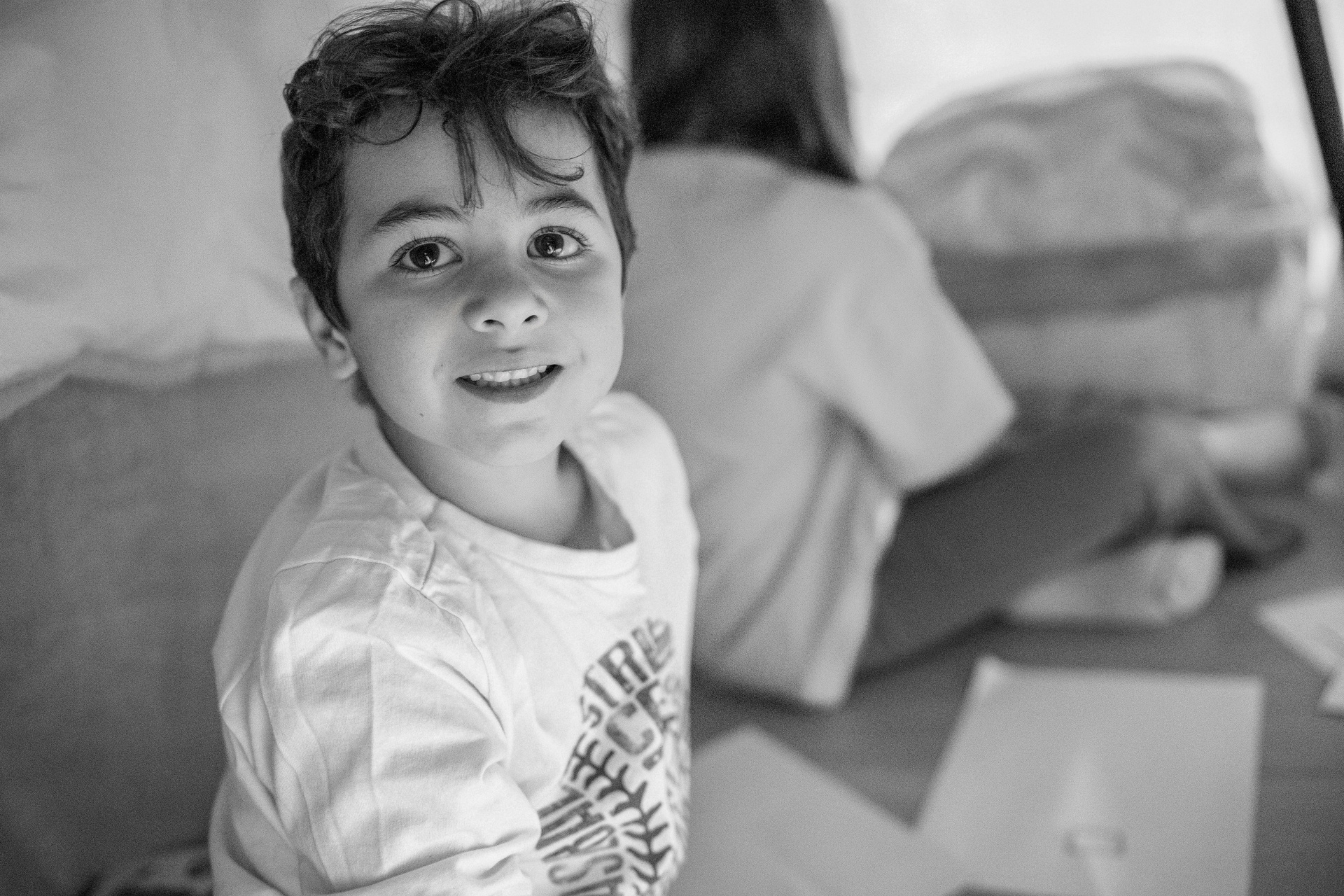
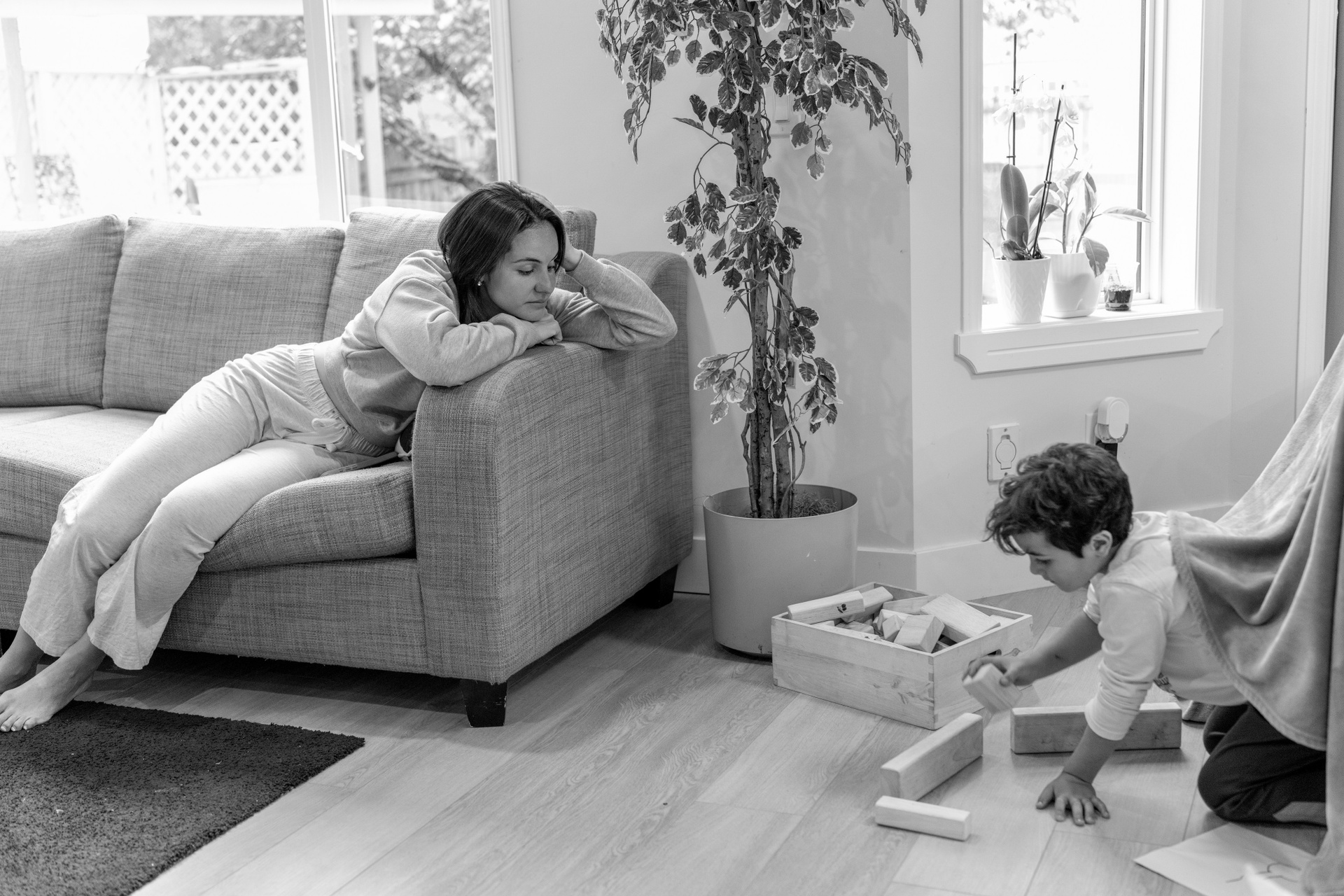
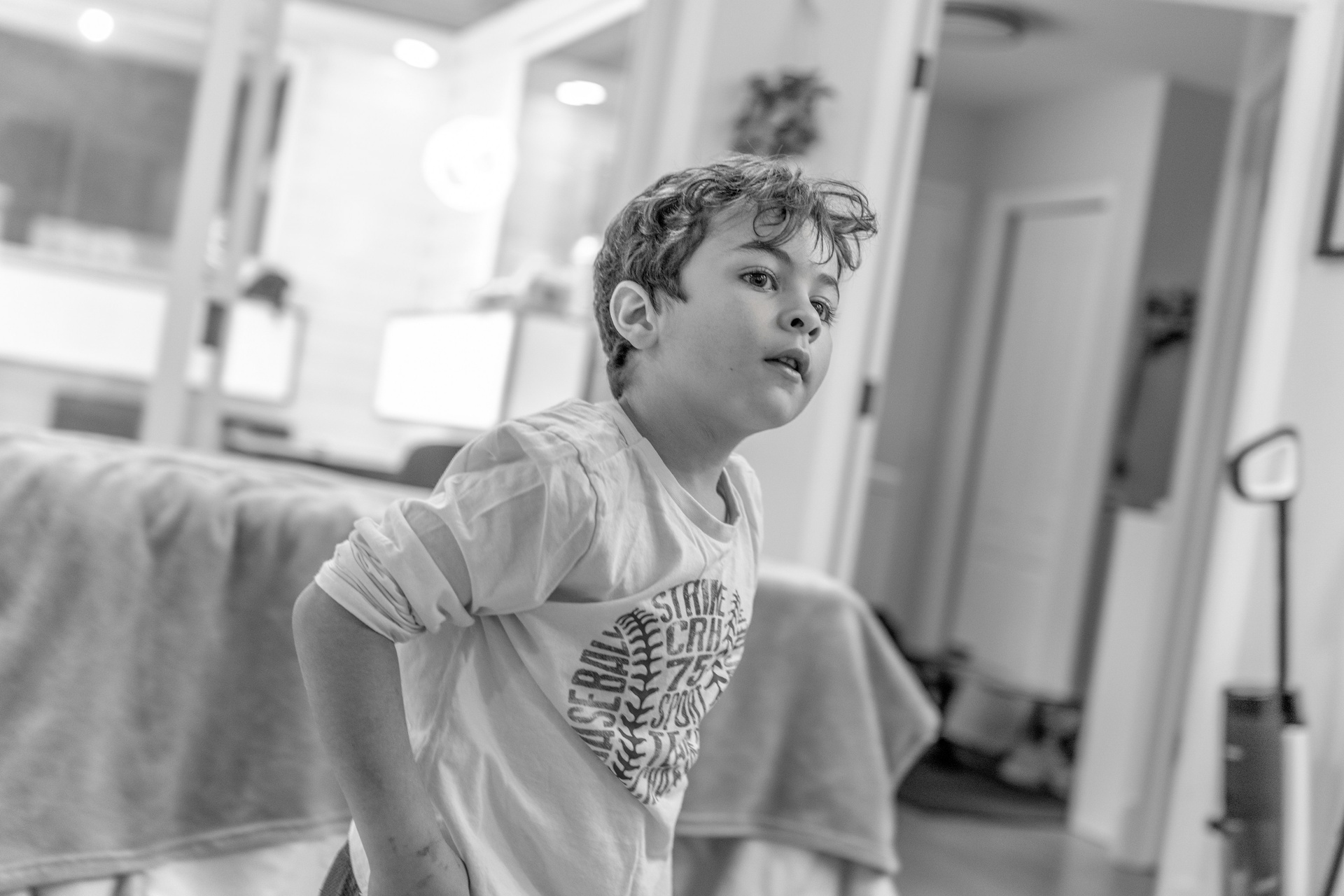
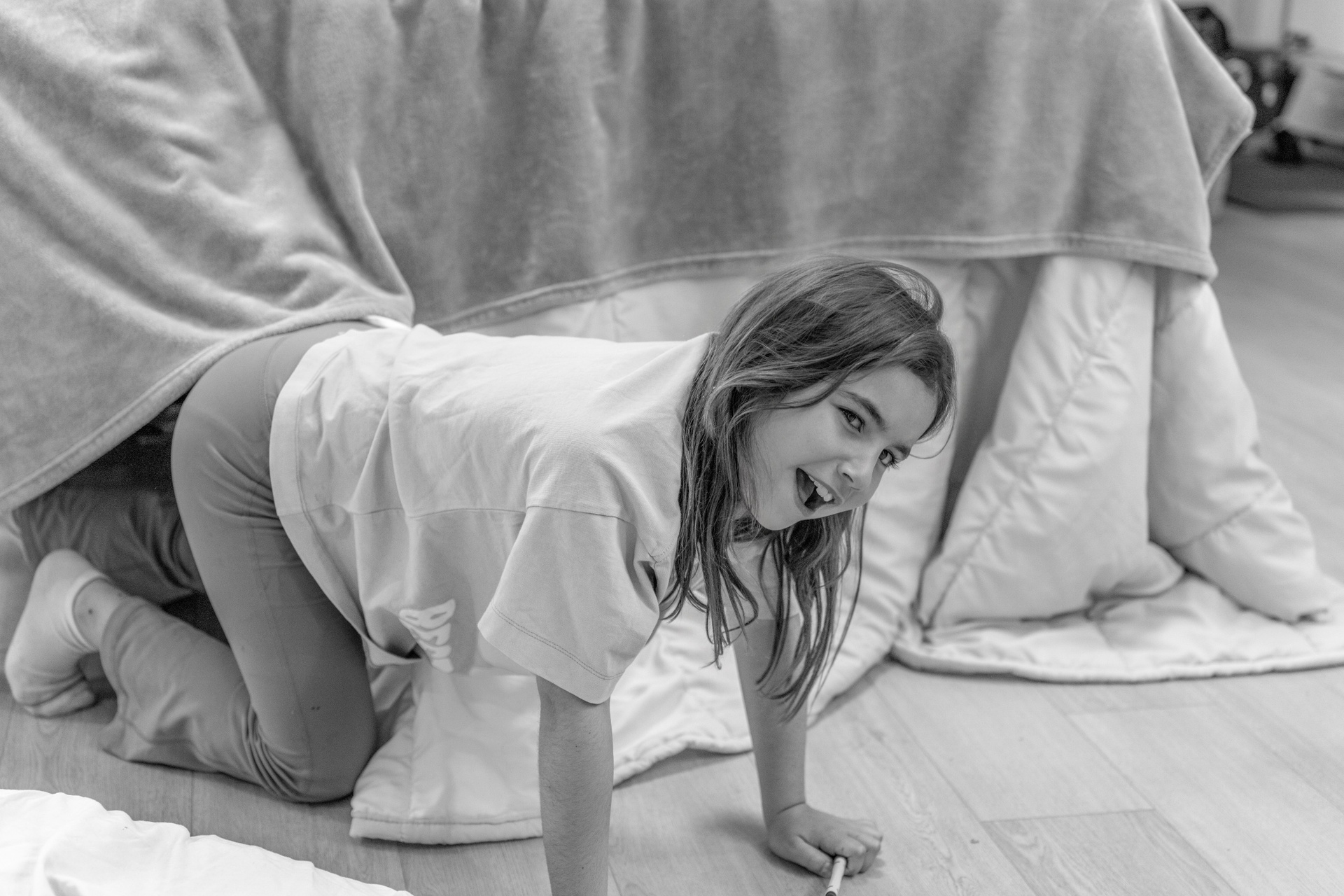
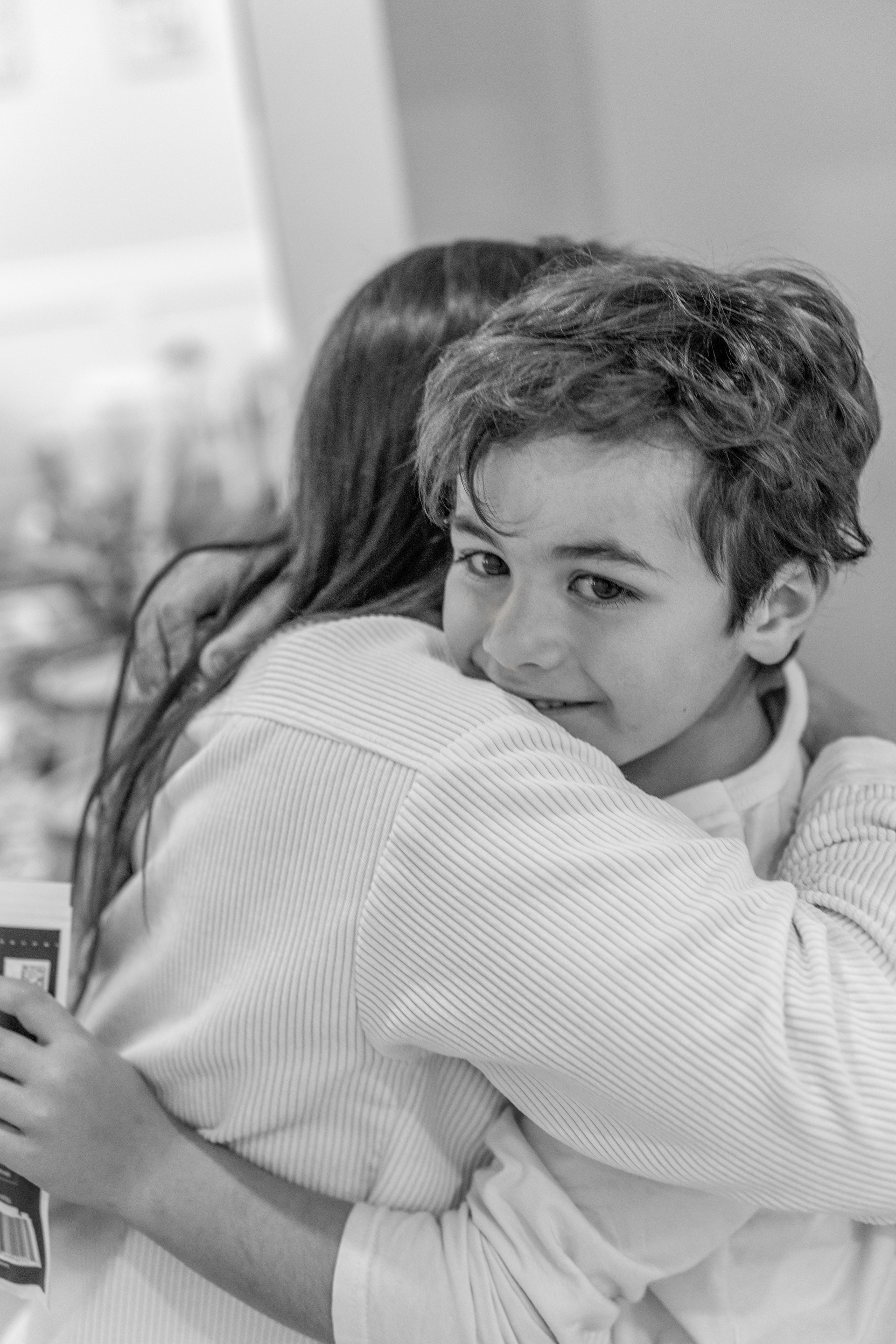
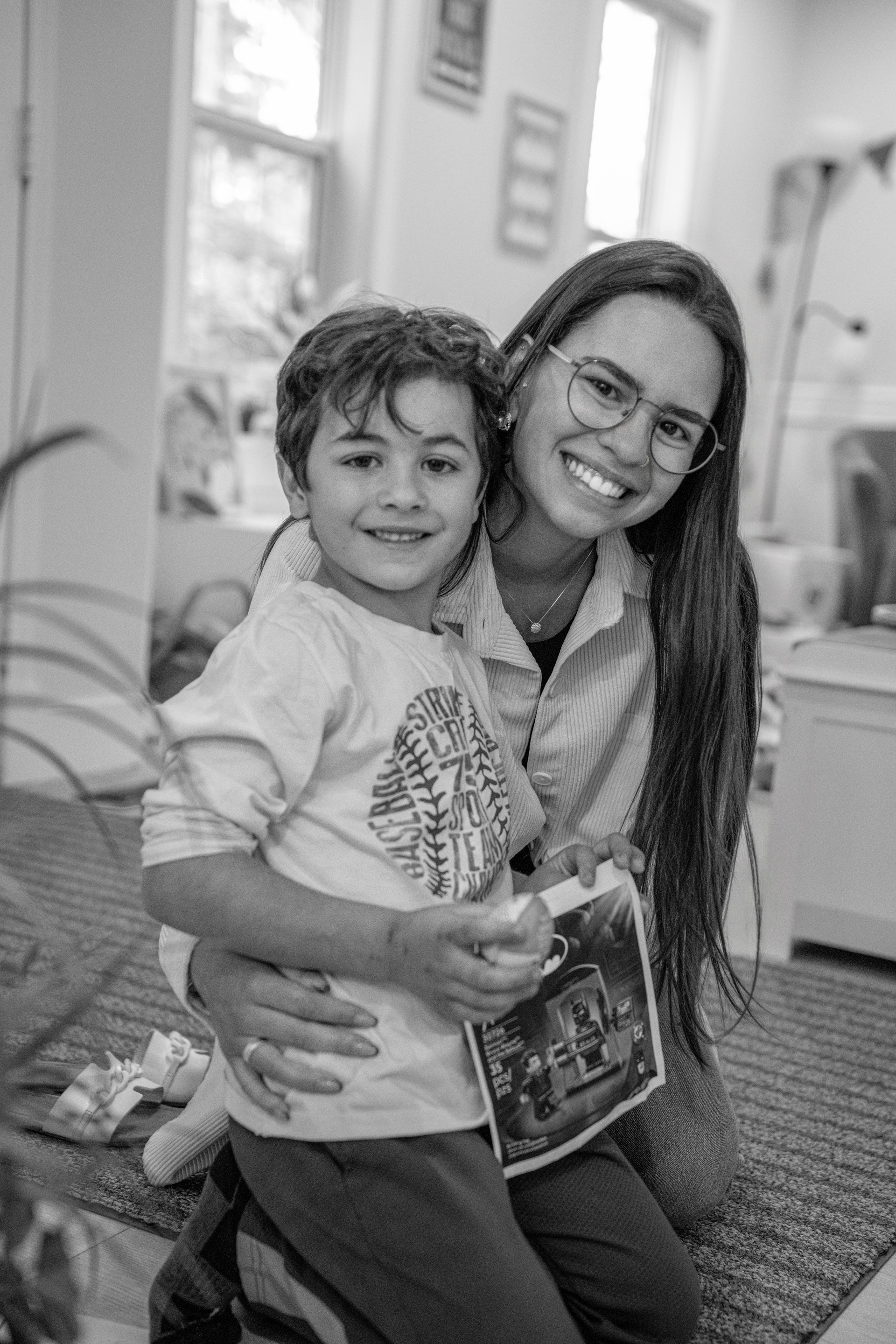
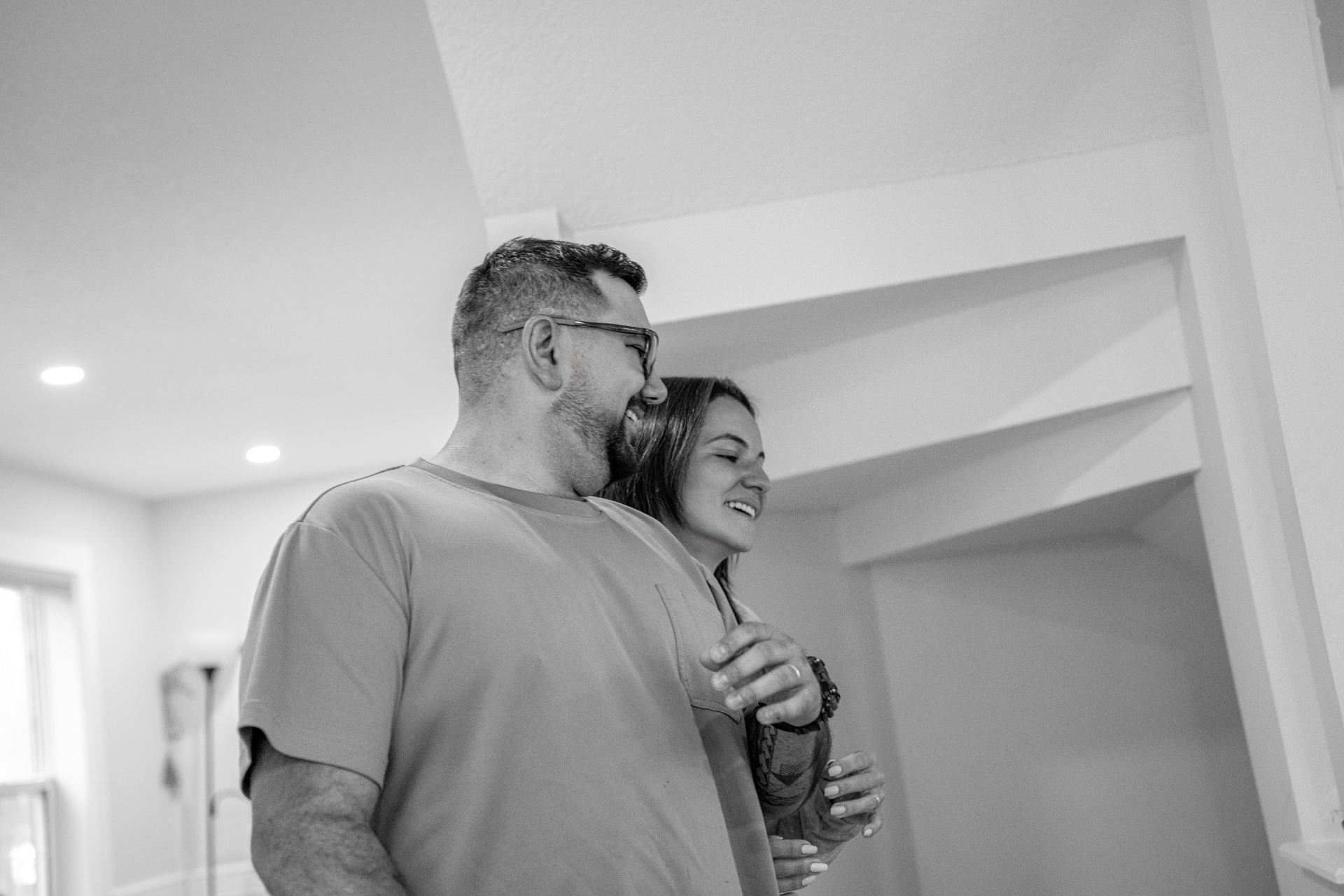
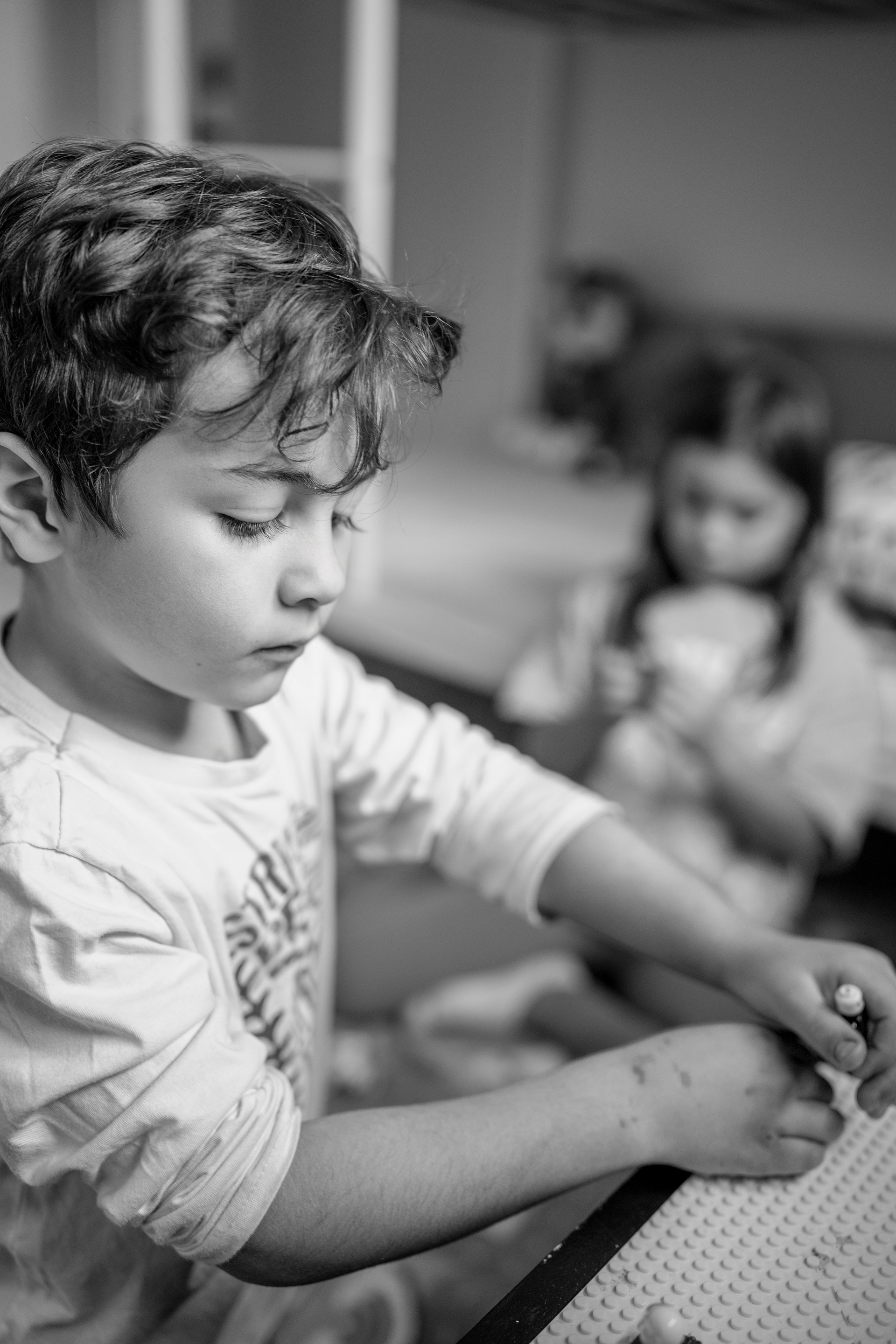
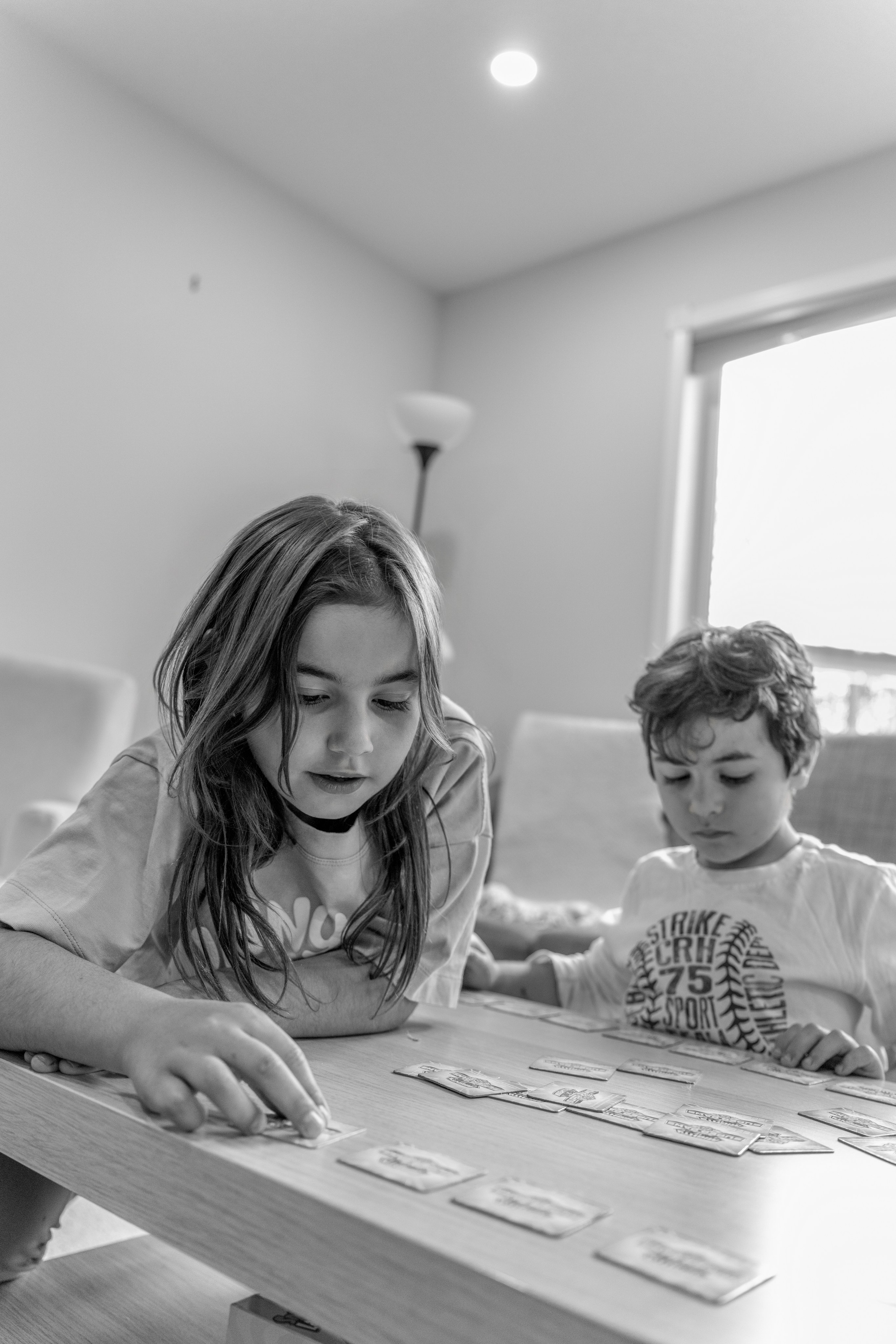
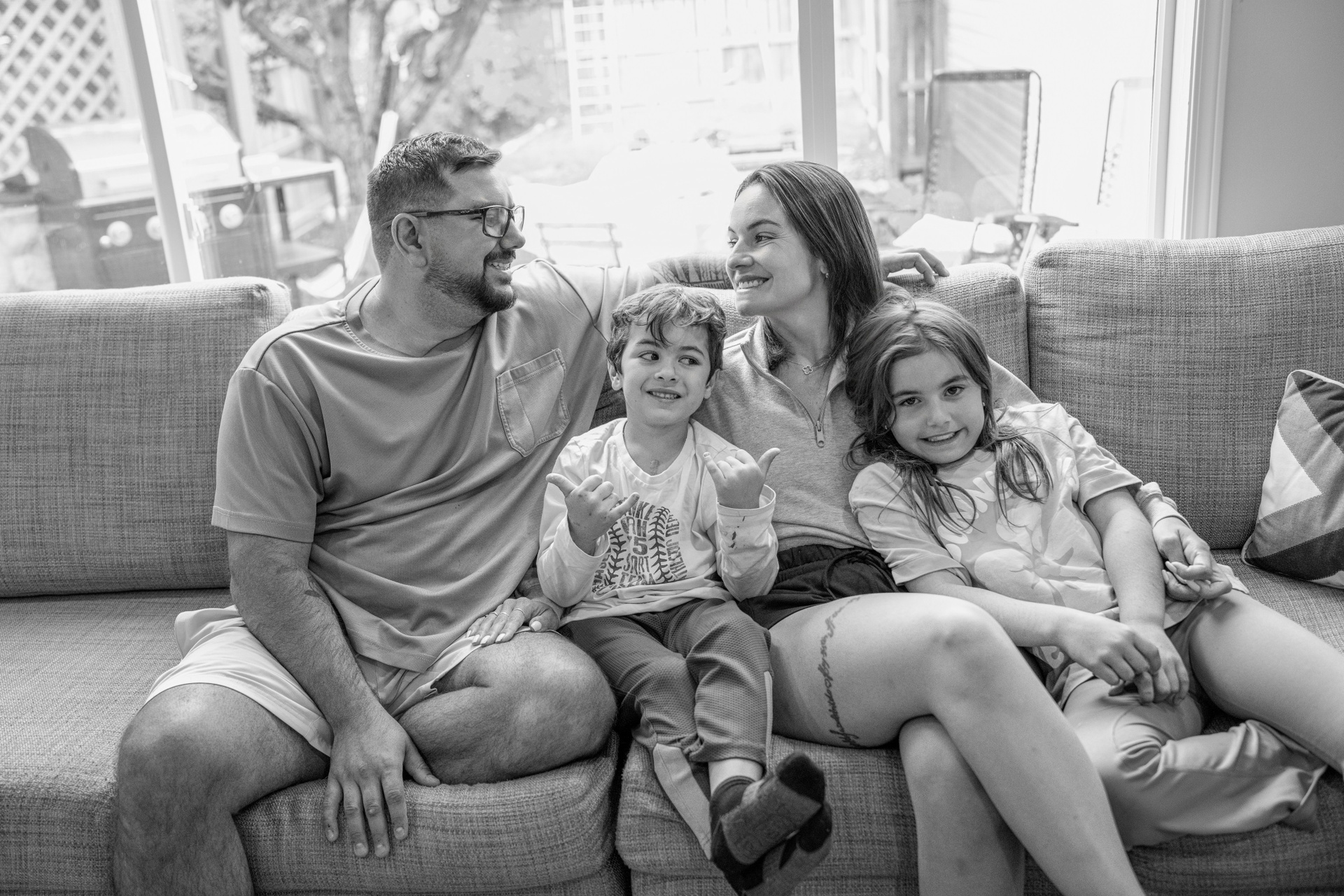
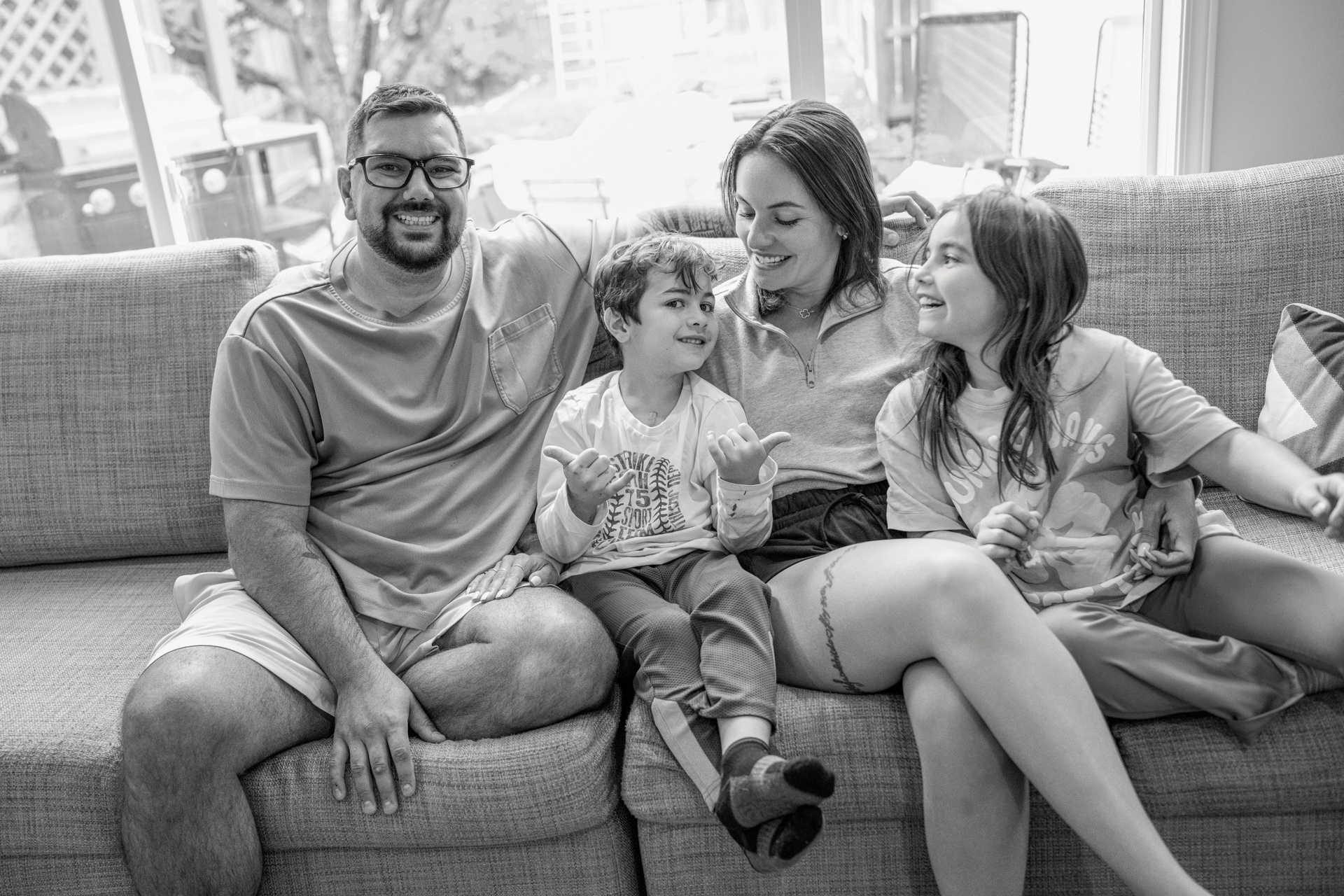
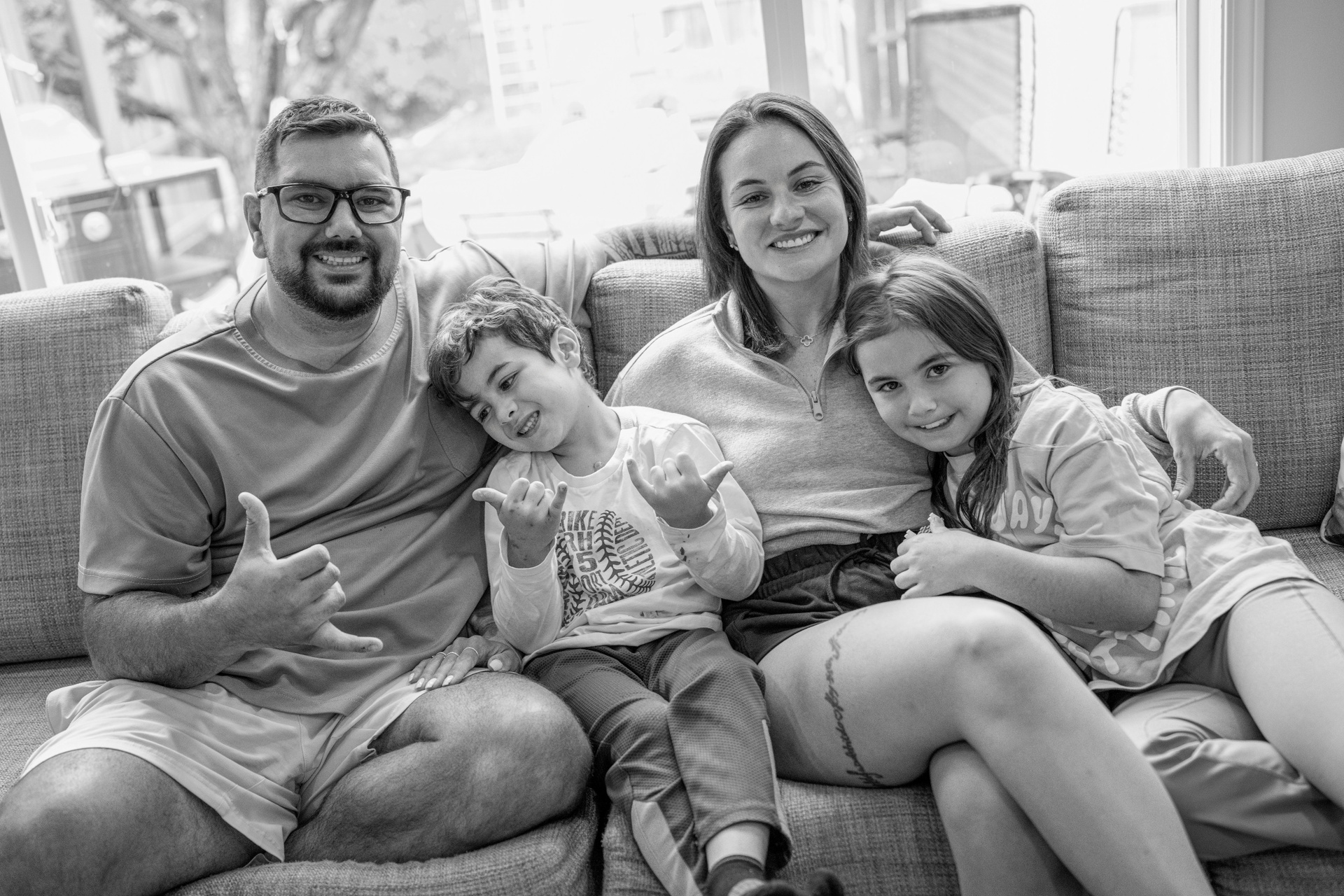
Our approach is deliberately unobtrusive. We move through your family’s day as it naturally unfolds, without staging a single moment or interrupting your routine.
Beyond photographs that tell a story, DNA also includes documentary video and recorded conversations, brought together into a film your family can return to for years.
And because a legacy deserves more than a folder on a hard drive, every DNA project includes a hand-finished, archival-quality album: a physical object made to be held, opened, and passed down, not just stored.
The result isn’t a gallery of images. It’s an heirloom: an album and a film that become part of your family’s legacy, for you, and for the generations that come after you.

Why DNA?
“Because a family’s DNA isn’t just in its genes, but also in the stories, values, memories, and dreams passed down from one generation to the next.”
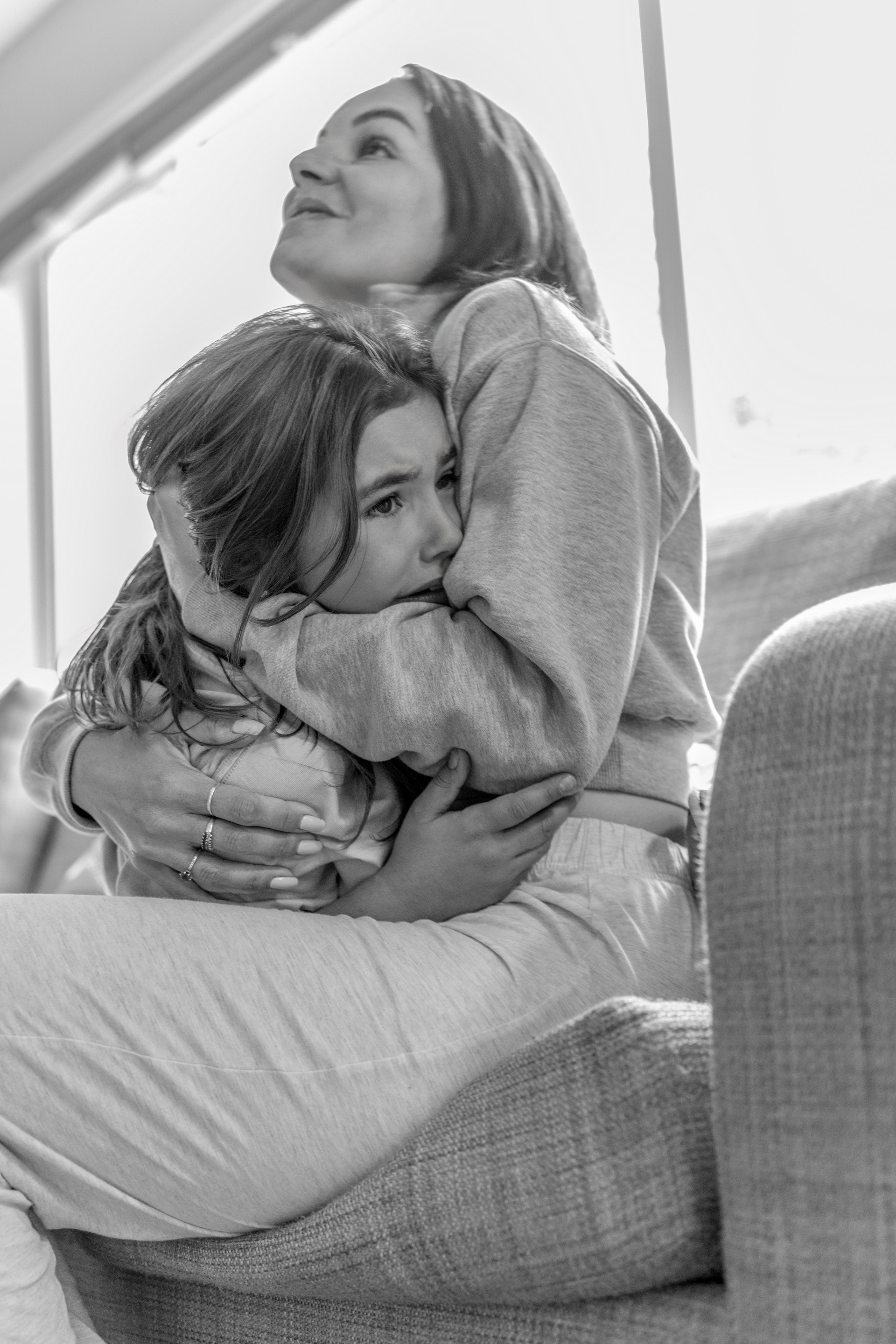
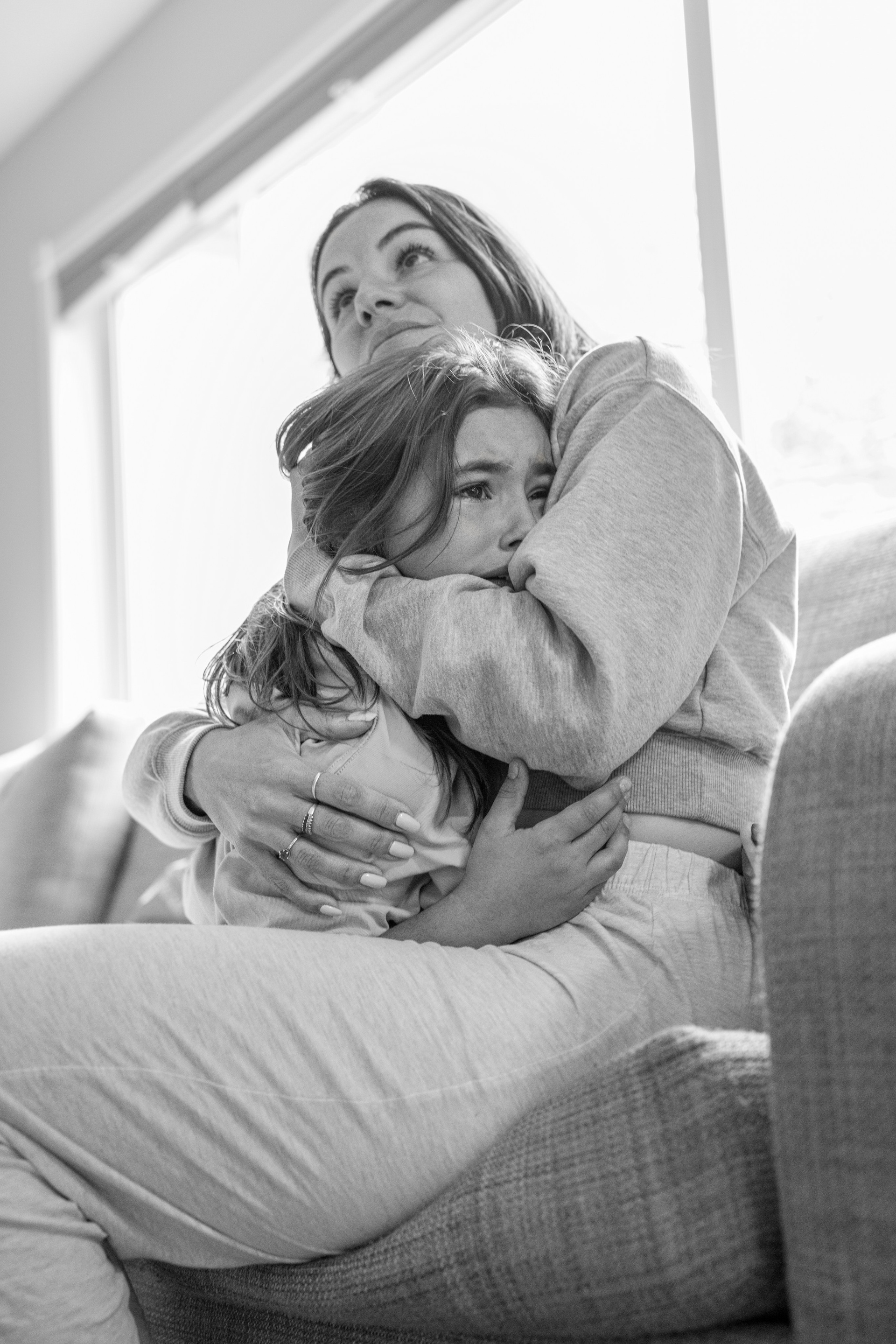
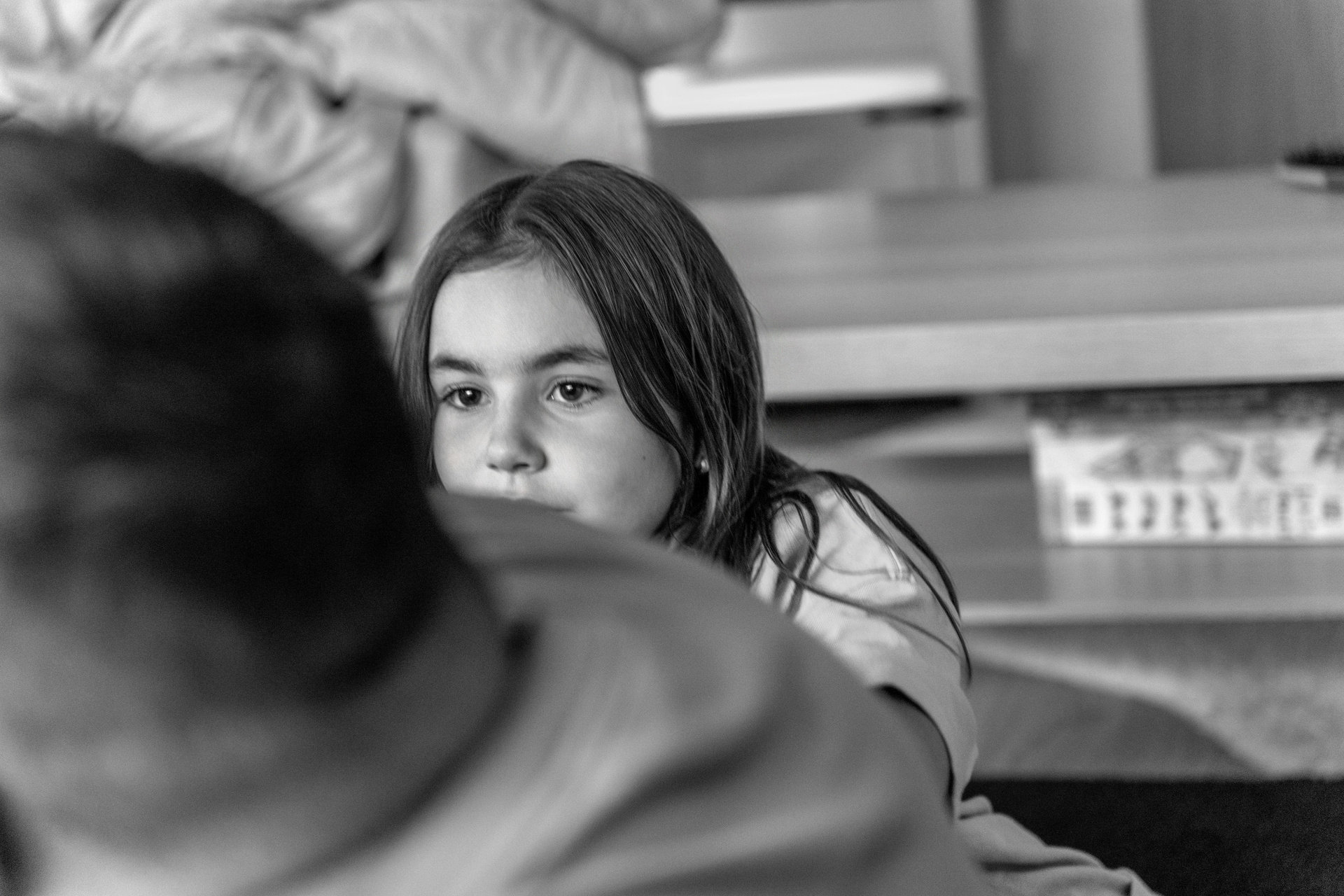
Every family carries its own identity, shaped by values, traditions, and stories that show up in moments rarely captured on camera: a glance exchanged across the table, the quiet comfort of a Sunday afternoon, the way a father listens to his child without realizing he’s being watched.
This is the essence of DNA: capturing not just behavior, but the identity, values, traditions, and stories that shape who you are.
Family psychology uses the word narrative to describe what separates a collection of portraits from a true archive: not a single shot, but a body of images that, together, tell who you really are, not how you’d like to appear.
Research in social neuroscience shows that nostalgia isn’t sentimentality. It’s a function the mind actively draws on to rebuild identity and get through hard times.
Families with access to that recorded narrative, not scattered fragments but an actual story, develop a sense of identity and resilience that lasts for decades.
That’s the purpose of the DNA archive: not to decorate a wall, but to become the thing your family returns to in order to recognize itself, especially in the moments it needs that most.
The result isn’t a photo session. It’s a documentary archive, built to be revisited, not just stored away.
An archive that grows in meaning as time passes, becoming, over the years, a legacy that lets future generations understand where they came from.